

People who walk more or walk faster live longer, study finds

Rosacea treatments: What works?

For sleep apnea, a dental device may be as effective as CPAP

Carb cycling: What is it, and does it work?

Understanding orthorexia: Have your healthy eating goals gone too far?

Melatonin or magnesium: Can either supplement help you sleep?

Salmonella, E. coli, Cyclospora, and other germs that cause food poisoning: What you need to know

Naturally gluten-free foods

Harvard study: Healthier fats linked to longer life after prostate cancer diagnosis

Shingrix shingles vaccine linked with lower heart disease risks
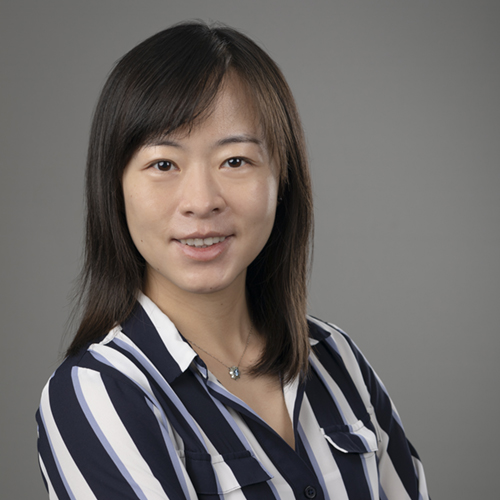
Jingyi Qian, Ph.D.
Contributor
Jingyi Qian is an assistant professor of medicine at Harvard Medical School and associate director of the Medical Chronobiology Program in the Division of Sleep and Circadian Disorders at Brigham and Women’s Hospital (BWH). Her research focuses on the physiological mechanisms by which timing of behavior (such as food intake and physical activity) interact with the circadian system and synergistically affect cardiometabolic outcomes.
Qian earned her PhD in molecular, cellular, and integrative physiology from the University of California, Los Angeles, and was a postdoctoral research fellow at the BWH Medical Chronobiology Program.
People who walk more or walk faster live longer, study finds
Rosacea treatments: What works?
For sleep apnea, a dental device may be as effective as CPAP
Carb cycling: What is it, and does it work?
Understanding orthorexia: Have your healthy eating goals gone too far?
Melatonin or magnesium: Can either supplement help you sleep?
Salmonella, E. coli, Cyclospora, and other germs that cause food poisoning: What you need to know
Naturally gluten-free foods
Harvard study: Healthier fats linked to longer life after prostate cancer diagnosis
Shingrix shingles vaccine linked with lower heart disease risks

