

People who walk more or walk faster live longer, study finds

Rosacea treatments: What works?

For sleep apnea, a dental device may be as effective as CPAP

Carb cycling: What is it, and does it work?

Melatonin or magnesium: Can either supplement help you sleep?

Salmonella, E. coli, Cyclospora, and other germs that cause food poisoning: What you need to know

Understanding orthorexia: Have your healthy eating goals gone too far?

Shingrix shingles vaccine linked with lower heart disease risks

Naturally gluten-free foods

Harvard study: Healthier fats linked to longer life after prostate cancer diagnosis
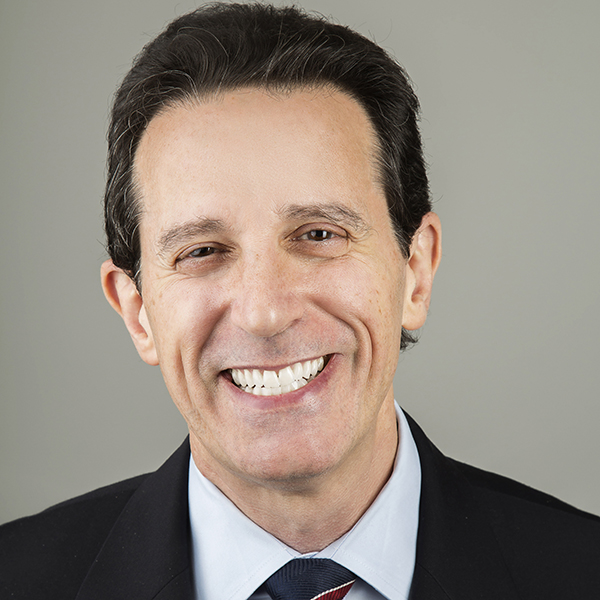
Daniel Sands, MD, MPH
Contributor
Dr. Daniel Sands earned a bachelor of science degree from Brown University, his M.D. from Ohio State University, and a master of public health from the Harvard T.H. Chan School of Public Health, received internal medicine training at Boston City Hospital, and did fellowships in clinical computing and general medicine at Boston’s Beth Israel Deaconess Medical Center (formerly Beth Israel Hospital).
Dr. Sands is an assistant clinical professor of medicine at Harvard Medical School and practices primary care internal medicine at Beth Israel Deaconess Medical Center, where he also teaches residents and medical students. He is also co-founder and chief advocacy officer of the Society for Participatory Medicine.
People who walk more or walk faster live longer, study finds
Rosacea treatments: What works?
For sleep apnea, a dental device may be as effective as CPAP
Carb cycling: What is it, and does it work?
Melatonin or magnesium: Can either supplement help you sleep?
Salmonella, E. coli, Cyclospora, and other germs that cause food poisoning: What you need to know
Understanding orthorexia: Have your healthy eating goals gone too far?
Shingrix shingles vaccine linked with lower heart disease risks
Naturally gluten-free foods
Harvard study: Healthier fats linked to longer life after prostate cancer diagnosis

