Sleep Apnea

Howard LeWine, M.D., is chief editor of Internet Publishing at Harvard Health Publications. He is recognized as an outstanding clinician and teacher and is a recipient of the Internal Medicine Teacher of the Year award at Brigham and Women's Hospital. Dr. LeWine continues to practice Internal Medicine; most recently he became a hospitalist after practicing primary care for over 20 years.
Question:
Is sleep apnea something that a person has always had and you find out about after it is diagnosed? Or is it something that could arise from external factors, such as stress or extreme fatigue? Can the symptoms "go away" without treatment?
Answer:
Great questions. Sadly, we do not have specific answers to any of them.
I suspect that we will discover some people inherit genes that make them likely to develop sleep apnea. But just as you can avoid diseases such as type 2 diabetes and coronary artery disease by making healthy lifestyle choices early in life, we may find ways to avoid sleep apnea.
Take body size as an example. Obese people have a higher risk of developing apnea compared to people that are not overweight. Yet, many thin people who are fit have sleep apnea and some extremely obese people don't.
The most common symptoms of sleep apnea are loud snoring, poor sleep quality and excessive sleepiness during the day. Although you might not be able to completely relieve these symptoms without specific therapy, the following can help:
-
Lose weight if needed
-
Become more physically active
Do at least 30 minutes of aerobic exercise most days of the week -
Limit alcohol consumption
This mean no more than one drink per day for women and two drinks per day for men. You might also try stopping all alcohol consumption to see if it helps.
Although not proven, it seems quite reasonable that stress and extreme fatigue would make the symptoms of sleep apnea worse. But I doubt these factors alone would be the actual cause.
About the Author
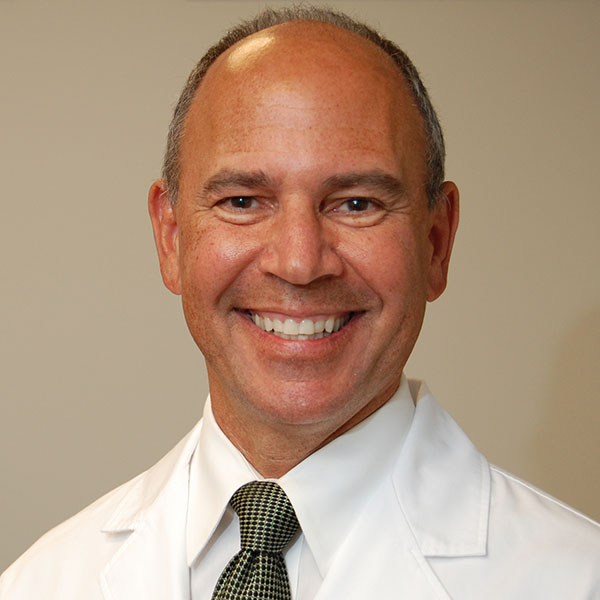
Howard E. LeWine, MD, Chief Medical Editor, Harvard Health Publishing; Editorial Advisory Board Member, Harvard Health Publishing
Disclaimer:
As a service to our readers, Harvard Health Publishing provides access to our library of archived content. Please note the date of last review or update on all articles.
No content on this site, regardless of date, should ever be used as a substitute for direct medical advice from your doctor or other qualified clinician.