

Whole grains may improve several heart risk factors at once

Light exposure at night may raise risk for heart disease

Children of centenarians may stay healthier and live longer too, study finds

A lumbar belt may help ease low back pain

Signs of pneumonia: Sometimes vague and unexpected

Using a vibration plate: What it can — and can't — do for your body

The surprising link between ovarian cancer and the fallopian tubes

People who walk more or walk faster live longer, study finds

Rosacea treatments: What works?

For sleep apnea, a dental device may be as effective as CPAP
Supplements for rheumatoid arthritis
Living with rheumatoid arthritis (RA) requires more than just finding the right medications. Many people with RA find they are able to protect their joints and reduce discomfort through alternative and complementary therapies, including dietary supplements.
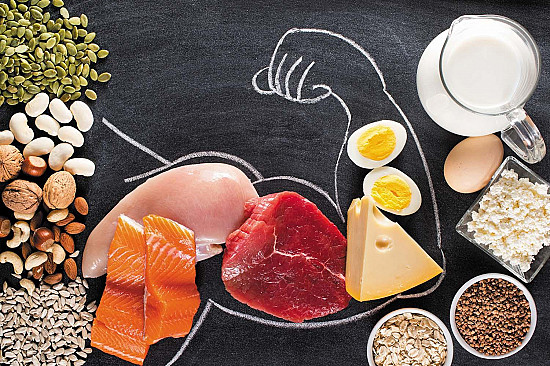
Research suggests that omega-3 fatty acids, found in cold-water fish such as salmon, tuna, herring, sardines, and mackerel, have anti-inflammatory properties. You can get omega-3 fatty acids by eating more fish or by taking fish oil supplements. Studies in which people with rheumatoid arthritis took fish oil supplements found that fish oil may help with tender joints and stiffness and may reduce the need to take nonsteroidal anti-inflammatory (NSAID) medications. One study found that RA sufferers who took 10 grams (about 2 teaspoons) of cod-liver oil a day for nine months were able to reduce their daily intake of NSAIDs by more than a third.
Be careful when using fish oil. Fish oil supplements may increase the risk for bleeding, especially in people who take medications to reduce blood clotting (anticoagulants). Talk to your doctor before taking fish oil supplements or greatly increasing your intake of fish.
Several other herbs and supplements have been evaluated for their ability to reduce inflammation in people with rheumatoid arthritis. These include Boswellia (also called frankincense), ginger, green tea, and turmeric. Research into these compounds is too preliminary to make specific recommendations, however.
Disclaimer:
As a service to our readers, Harvard Health Publishing provides access to our library of archived content. Please note the date of last review or update on all articles.
No content on this site, regardless of date, should ever be used as a substitute for direct medical advice from your doctor or other qualified clinician.
Whole grains may improve several heart risk factors at once
Light exposure at night may raise risk for heart disease
Children of centenarians may stay healthier and live longer too, study finds
A lumbar belt may help ease low back pain
Signs of pneumonia: Sometimes vague and unexpected
Using a vibration plate: What it can — and can't — do for your body
The surprising link between ovarian cancer and the fallopian tubes
People who walk more or walk faster live longer, study finds
Rosacea treatments: What works?
For sleep apnea, a dental device may be as effective as CPAP


Free Healthbeat Signup
Get the latest in health news delivered to your inbox!
Sign Up
