






What is healthy eating?
Do you remember when meat and potatoes were considered a healthy dinner, or when fat-free packaged cookies were believed to be better than a piece of real dark chocolate? Nutrition trends are always shifting, and sometimes that’s a good thing. As science evolves, new and important information can shape the choices many of us make on a regular basis. Yet not all findings should be given equal weight.
Some nutrition “news” you see is really marketing hype or social media-driven misinformation. In other instances, attention-grabbing headlines are somewhat grounded in science, but they stem from small, one-off studies that only tell part of the story. To get the most reliable data, you need large, well-controlled studies. You also need proof that the same finding holds true over and over again, which is what scientists aim to do when they conduct a systematic review of numerous high-quality studies.
Fortunately, a growing consensus based on robust scientific evidence has been building over the past several decades. As reflected by the Harvard Healthy Plate and recommendations from the American Heart Association, the American Diabetes Association, and other expert groups, the optimal diet for most people boils down to eating mostly whole or minimally processed plant foods while incorporating adequate (but not excessive) amounts of protein and healthy fat.
There are many ways to do that. Three eating plans frequently offered as examples are:
- a healthy omnivore pattern, which includes plenty of fruits, vegetables, and whole grains, along with moderate amounts of lean meat and poultry, seafood, and low-fat dairy products
- a healthy Mediterranean-style pattern, whichincludes a bounty of fruits, vegetables, whole grains, legumes, fish, nuts, seeds, and olive oil
- a healthy vegetarian pattern, which includes lots offruits, vegetables, legumes, whole grains, low-fat dairy, and soy foods.
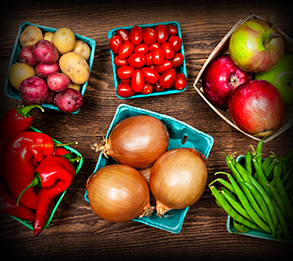
What do all three have in common? They all emphasize whole and minimally processed plant foods, such as whole grains, pulses (bean, lentils, chickpeas, dried peas), nuts, seeds, and healthy fats.
For many people, shifting to a healthier diet means getting used to eating more vegetables and fewer packaged snacks and fast food. But once you know how to prepare healthy meals, you’ll find they can be tastier than highly processed foods. Imagine savoring vegetables roasted in olive oil, perfectly seasoned with herbs and spices, along with an entree of fresh grilled fish and a hunk of hearty wholegrain bread, and you can readily imagine just how satisfying a whole foods diet can be.
There’s no time like the present to start remaking your diet. You have nothing to lose—except perhaps a few unwanted pounds and points off your cholesterol and blood pressure numbers.