

What causes knee pain: How doctors make a diagnosis

Study: At-home colorectal cancer screening may significantly cut colon cancer deaths

Where you carry excess weight matters in predicting heart disease risk

Tai chi walking: What is it and does it work?

Fatty liver disease: Should you be tested?

Weight-loss drug may lower risk of heart attacks and infections

Testosterone therapy without evidence of deficiency may boost heart risk

Even a little exercise linked with lower stroke risk in people with afib

FDA approves first mRNA-based flu vaccine

Migraine: How it's diagnosed and what that means
Weight loss and management Archive
Articles

Anti-inflammatory food superstars for every season
Inflammation is part of the body's healing process, but chronic inflammation can contribute to a range of health issues. In every season, regularly eating a variety of anti-inflammatory foods can benefit your health.

Walnuts: A worthy addition to your daily diet?
Research has found that people who eat nuts regularly are less likely to have heart disease. While all varieties of nuts are full of important nutrients, a two-year randomized trial shows a daily dose of walnuts lowered levels of harmful blood lipids that affect cardiovascular health -- and without adding extra pounds.

Healthy eating through the holidays

What are postbiotics?
Postbiotics are created by digestion. Like probiotics and prebiotics, they may contribute to gut health and overall health.
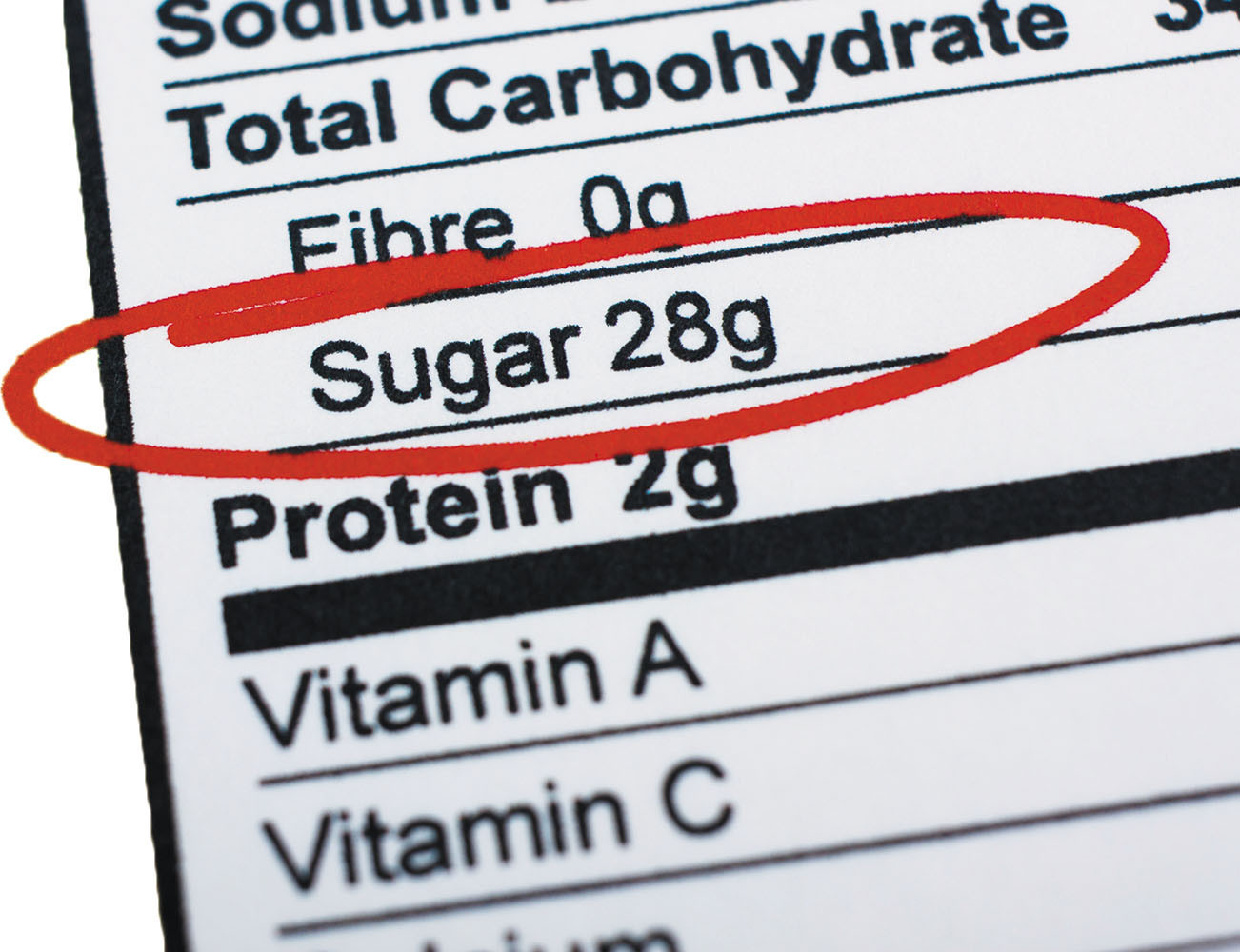
Nationwide sugar reductions projected to save health and lives

Are these "healthier" choices really better for you?

Keep ultra-processed foods off the menu

Pumpkins aren’t just for carving

Confused about eating soy?
The FDA wants to pull its support of the health claim that eating soy protein may help reduce the risk of heart disease. The agency proposed the change last fall, citing evidence that questions whether there's any real benefit to heart health. If the FDA goes through with the move, then food makers will no longer be allowed to market soy products with the claim that they can help your heart. But soy won't hurt your heart, and soy does have other benefits.
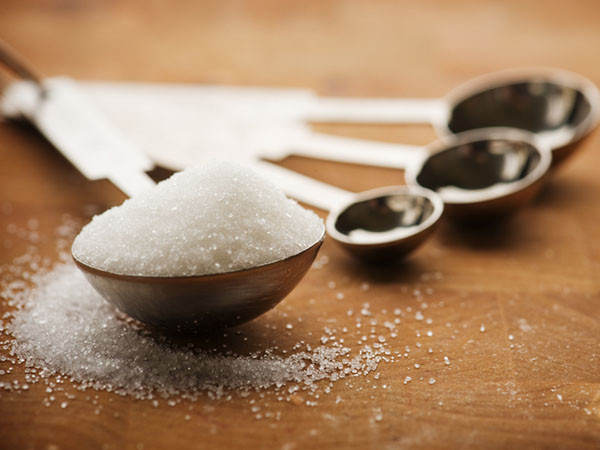
Sugar: How sweet it is... or is it?
As more Americans are considered obese, including children, a study examined what effect a voluntary reduction in the sugar content of foods would have on rates of obesity, diabetes, heart disease, and health care costs. But in the absence of such a change, there are ways you can reduce your sugar intake without having to give up sweet treats entirely.
What causes knee pain: How doctors make a diagnosis
Study: At-home colorectal cancer screening may significantly cut colon cancer deaths
Where you carry excess weight matters in predicting heart disease risk
Tai chi walking: What is it and does it work?
Fatty liver disease: Should you be tested?
Weight-loss drug may lower risk of heart attacks and infections
Testosterone therapy without evidence of deficiency may boost heart risk
Even a little exercise linked with lower stroke risk in people with afib
FDA approves first mRNA-based flu vaccine
Migraine: How it's diagnosed and what that means
Free Healthbeat Signup
Get the latest in health news delivered to your inbox!
Sign Up
