

Fatty liver disease: Should you be tested?

Weight-loss drug may lower risk of heart attacks and infections

Testosterone therapy without evidence of deficiency may boost heart risk

Even a little exercise linked with lower stroke risk in people with afib

Antihistamines may not offer meaningful relief from eczema symptoms

What to eat on the DASH diet

Tricep workouts you can do at home

FDA approves first mRNA-based flu vaccine

Migraine: How it's diagnosed and what that means

Mindfulness practices to reduce stress and improve focus
Weight loss and management Archive
Articles
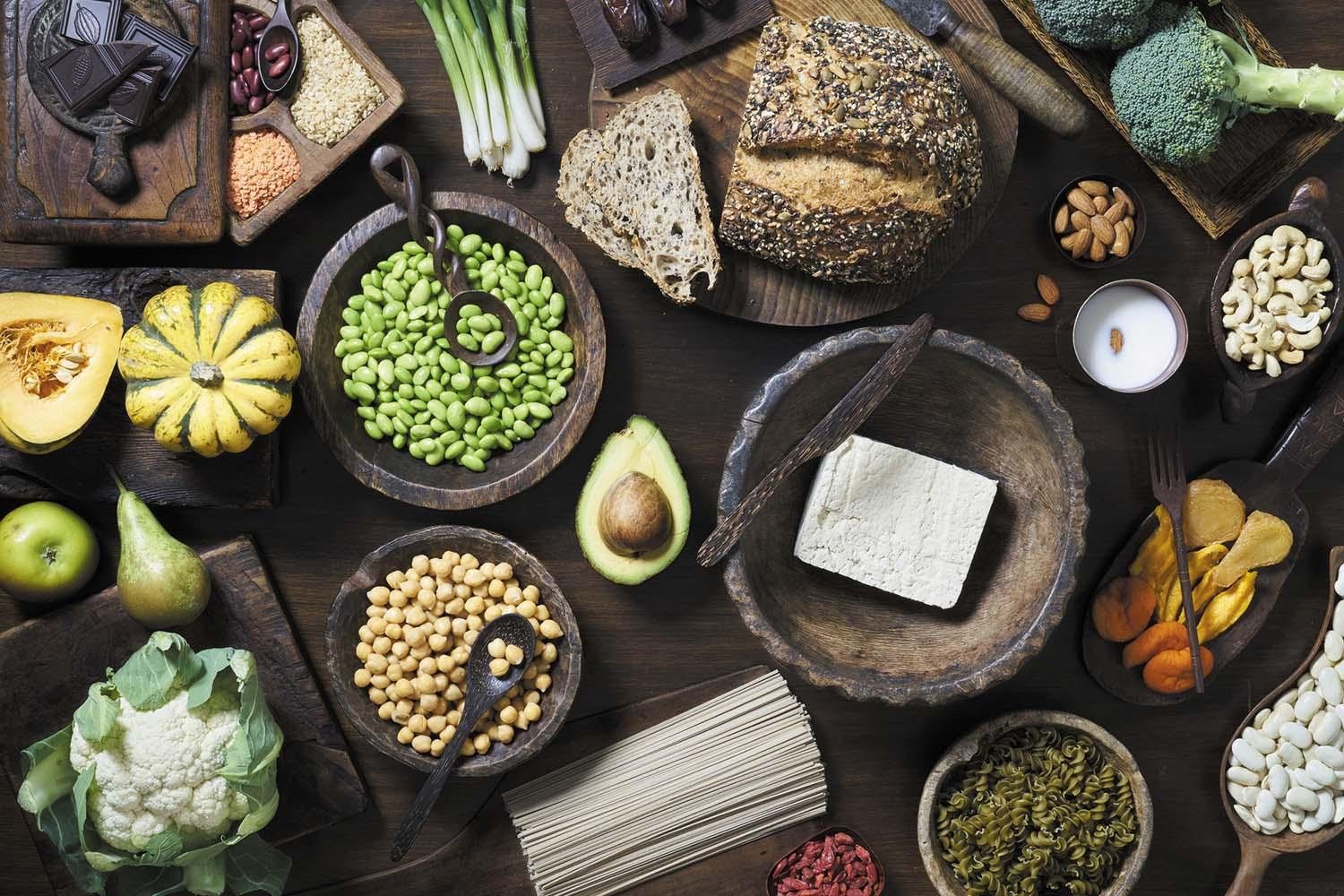
High-quality carbohydrates in midlife may keep women healthier as they age
A 2025 study suggests that women who eat more high-quality carbohydrates-which include whole grains, fruits, vegetables, and legumes-in their 40s and 50s are more likely to age healthfully.

Shake the salt habit
Salt intake fuels high blood pressure, which is the top risk factor for cardiovascular disease. Sodium is hidden in many everyday foods, including bread, sauces, condiments, cereal, rice, pasta, and processed items such as canned soups, deli meats, and frozen meals. People can cut back on salt by reading food labels, rinsing canned goods, cooking at home more often, and using other seasonings instead.

6 new terms for healthy eating
The trend toward eating plant-rich diets has led to a number of new dietary terms and buzzwords. Examples include the terms "plant-forward," which describes the shift toward the gradual incorporation of more plant foods into the diet; "plant-based protein," used for foods that contain a high amount of protein, even some processed foods; and "sustainable eating," whichrefers to the big picture of food choices and how they can help sustain the environment, the planet, and health.
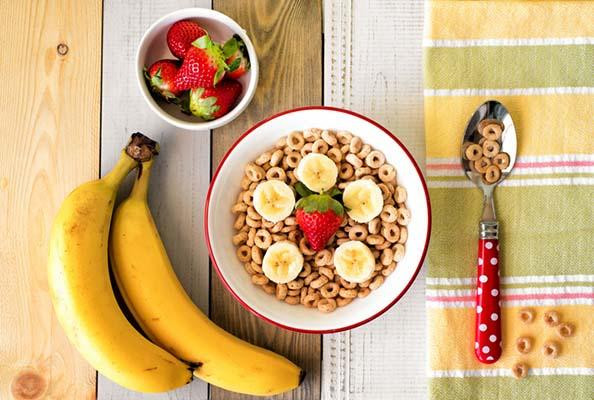
Is your breakfast cereal healthy?
In the US, more than a quarter of children and adolescents have ready-to-eat cereal for breakfast most days of the week. Advertising touts cereal as a healthy choice, but a recent study disputes this.
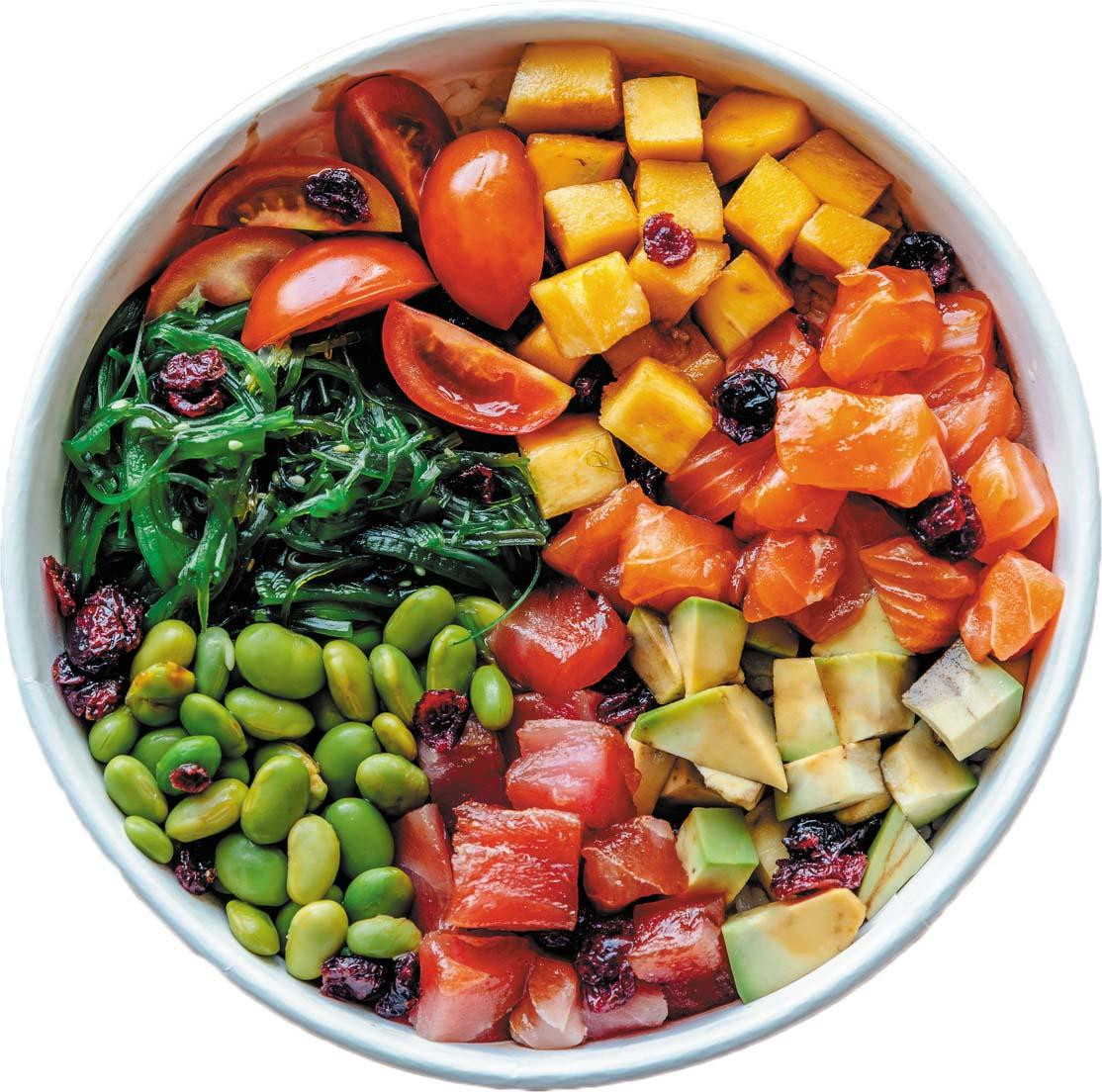
Aim for quantity and variety in fruit and vegetable intake
A 2025 study that involved 125,000 people (ages 40 to 69), who were followed for about a decade, found that both the quantity and variety of flavonoid intake were linked with significantly reduced risks of chronic disease and death from any cause.
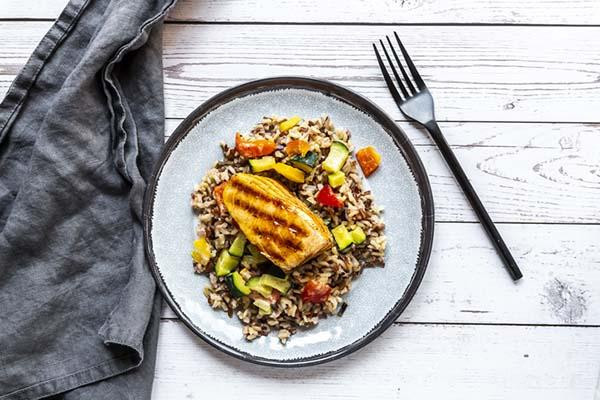


Popular no-calorie sweetener may increase hunger
In a 2025 study, researchers found that many people who drank water containing the no-calorie sweetener sucralose (Splenda) had increased appetite and cravings compared with those who drank water sweetened with table sugar or plain water.

Diets rich in plant-based foods linked to healthy aging
Following a mostly plant-based diet starting in middle age can boost a person's odds of healthy aging, defined as reaching age 70 free from chronic disease while also maintaining cognitive, physical, and mental health, according to a 2025 study.
Fatty liver disease: Should you be tested?
Weight-loss drug may lower risk of heart attacks and infections
Testosterone therapy without evidence of deficiency may boost heart risk
Even a little exercise linked with lower stroke risk in people with afib
Antihistamines may not offer meaningful relief from eczema symptoms
What to eat on the DASH diet
Tricep workouts you can do at home
FDA approves first mRNA-based flu vaccine
Migraine: How it's diagnosed and what that means
Mindfulness practices to reduce stress and improve focus
Free Healthbeat Signup
Get the latest in health news delivered to your inbox!
Sign Up
