

Fatty liver disease: Should you be tested?

Weight-loss drug may lower risk of heart attacks and infections

Testosterone therapy without evidence of deficiency may boost heart risk

Even a little exercise linked with lower stroke risk in people with afib

Antihistamines may not offer meaningful relief from eczema symptoms

What to eat on the DASH diet

Tricep workouts you can do at home

FDA approves first mRNA-based flu vaccine

Migraine: How it's diagnosed and what that means

Mindfulness practices to reduce stress and improve focus
Weight loss and management Archive
Articles

What can magnesium do for you and how much do you need?
Magnesium is a mineral the human body needs to function properly - especially for a healthy cardiovascular system, nerves, muscles, and bones - though the benefits of supplements are largely oversold. While most people get enough magnesium from their diet, in certain instances people should take a supplement.


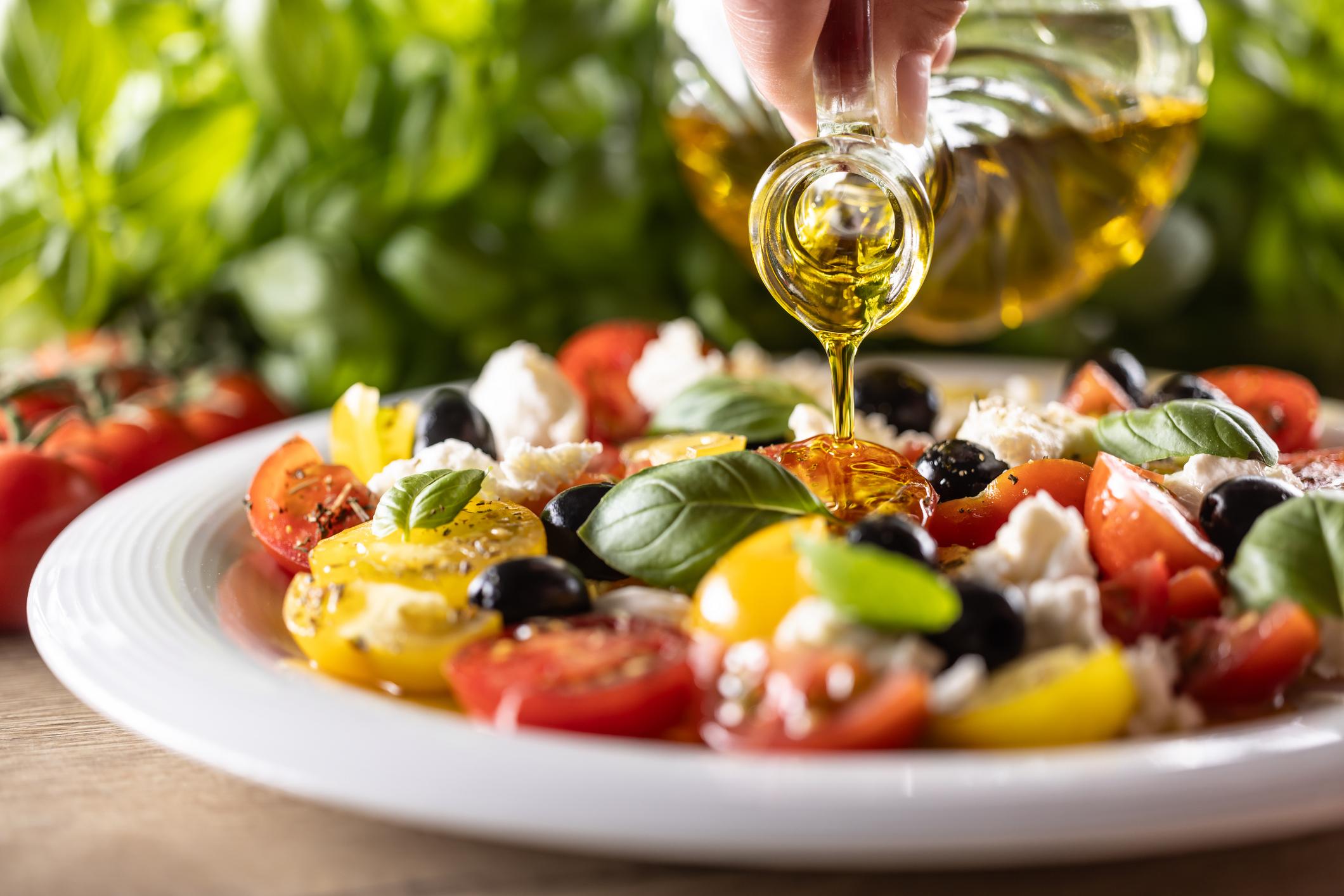
For better heart health, eat like a Mediterranean this week
The Mediterranean diet is associated with lower risk of cardiovascular disease, heart attack, stroke, type 2 diabetes, and various types of cancer, among other benefits. Try these easy swaps to get started,

Less butter, more plant oils, longer life?
Long-term research found that higher consumption of butter increases mortality risk, while higher consumption of plant-based oil lowers it. And substituting certain plant oils for butter might help people live longer. What's a butter lover to do?


A simple way to look at sugar
Natural sugar is found in many nutritious foods like fruits, vegetables, and grains. Refined "bad" sugar is added to many unhealthy food products like sweetened beverages, desserts, breakfast cereals, and fruit-flavored yogurt. Added sugars are also present in soup, tomato sauce, and condiments like ketchup, relish, barbecue sauce, and salad dressing. To curb sugar intake, read food labels carefully, noting the amounts of added sugar, and choose products with less than 10 grams per serving.

Try this: Different probiotics
Yogurt is a popular source for probiotics, the "good" live bacteria a person's diet needs to counterbalance harmful bacteria in the gut. But there are other choices available, such as kefir, kimchi, kombucha, miso, and tempeh.

Plant-based diets might fight leg or lung blood clots
In a 2024 review of 116 randomized, controlled trials including almost 7,000 people (average age 46) who were overweight or obese, as little as 30 minutes of aerobic exercise per week was linked to reduced body weight, waist size, and body fat over eight weeks.

Fatty liver disease: Should you be tested?
Weight-loss drug may lower risk of heart attacks and infections
Testosterone therapy without evidence of deficiency may boost heart risk
Even a little exercise linked with lower stroke risk in people with afib
Antihistamines may not offer meaningful relief from eczema symptoms
What to eat on the DASH diet
Tricep workouts you can do at home
FDA approves first mRNA-based flu vaccine
Migraine: How it's diagnosed and what that means
Mindfulness practices to reduce stress and improve focus
Free Healthbeat Signup
Get the latest in health news delivered to your inbox!
Sign Up
