

Even a little exercise linked with lower stroke risk in people with afib

Testosterone therapy without evidence of deficiency may boost heart risk

Weight-loss drug may lower risk of heart attacks and infections

What to eat on the DASH diet

Migraine: How it's diagnosed and what that means

Tricep workouts you can do at home

Mindfulness practices to reduce stress and improve focus

Antihistamines may not offer meaningful relief from eczema symptoms

Overweight and taking blood pressure medications: Study finds it's a trend that's working

FDA approves first mRNA-based flu vaccine
Vaccines and immunizations Archive
Articles

New shingles vaccine may work better, but with more side effects
Findings from a major clinical trial show that a new type of vaccine for shingles is much more effective than the existing vaccine in older people, although the new shot comes with more side effects.

Ask the doctor: I've already had shingles. Should I still get the shingles vaccine?
I had shingles in 2005 and haven?t had a shingles shot. I haven?t been able to find any studies that indicate whether a shot is feasible for people who have already had shingles. What do you recommend?

Ask the doctor: Two pneumonia shots are better than one
Q. I'm 68, and I had the pneumonia vaccine a few years ago. Now I hear that I need to have two different ones. Do I really need to do this?
A. For many years, men who turned 65 were told that they needed a single pneumonia shot, called Pneumovax. Now the CDC suggests that older adults get an additional vaccination with a different vaccine, called Prevnar. The combination stimulates the immune system more effectively than either alone.
The two vaccines build immunity against different types of the bacterium, known as pneumococcus, that causes pneumonia. Pneumovax (PPSV23) protects against 23 common types of pneumococcus. Prevnar (PCV13) protects against 13 types.
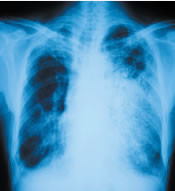
Heart attack risk rises after a bout of pneumonia
If you're hospitalized with pneumonia,your heart attack risk may rise in the following month. Image: Thinkstock |
If you're over 65, be sure to follow the latest pneumonia vaccine guidelines.
Each year, about a million people in the United States end up in the hospital with pneumonia, a serious lung infection that can be caused by an array of different viruses, bacteria, and even fungi. New research suggests that older people hospitalized with pneumonia face four times their usual risk of a having a heart attack or stroke or dying of heart disease in the month following the illness.

Edible marijuana — a half-baked idea?
Marijuana-laced brownies have long been a way to get high. Now a new generation of “food companies” is taking the concept of edible marijuana in a somewhat scary new direction: marijuana-laced foods that mimic popular candies. These sweets could pose a danger to children, warns a Perspective article in today’s New England Journal of Medicine. From a marketing perspective, it’s a cute concept to sell Buddahfingers that look like Butterfingers, Rasta Reese’s that mimic Reese’s Peanut Butter Cups, or Pot Tarts that resemble Pop-Tarts. But the availability of edible marijuana products has led to an increase in emergency visits to hospitals because of kids accidentally eating edible marijuana products and in marijuana-related calls to poison and drug hotlines.
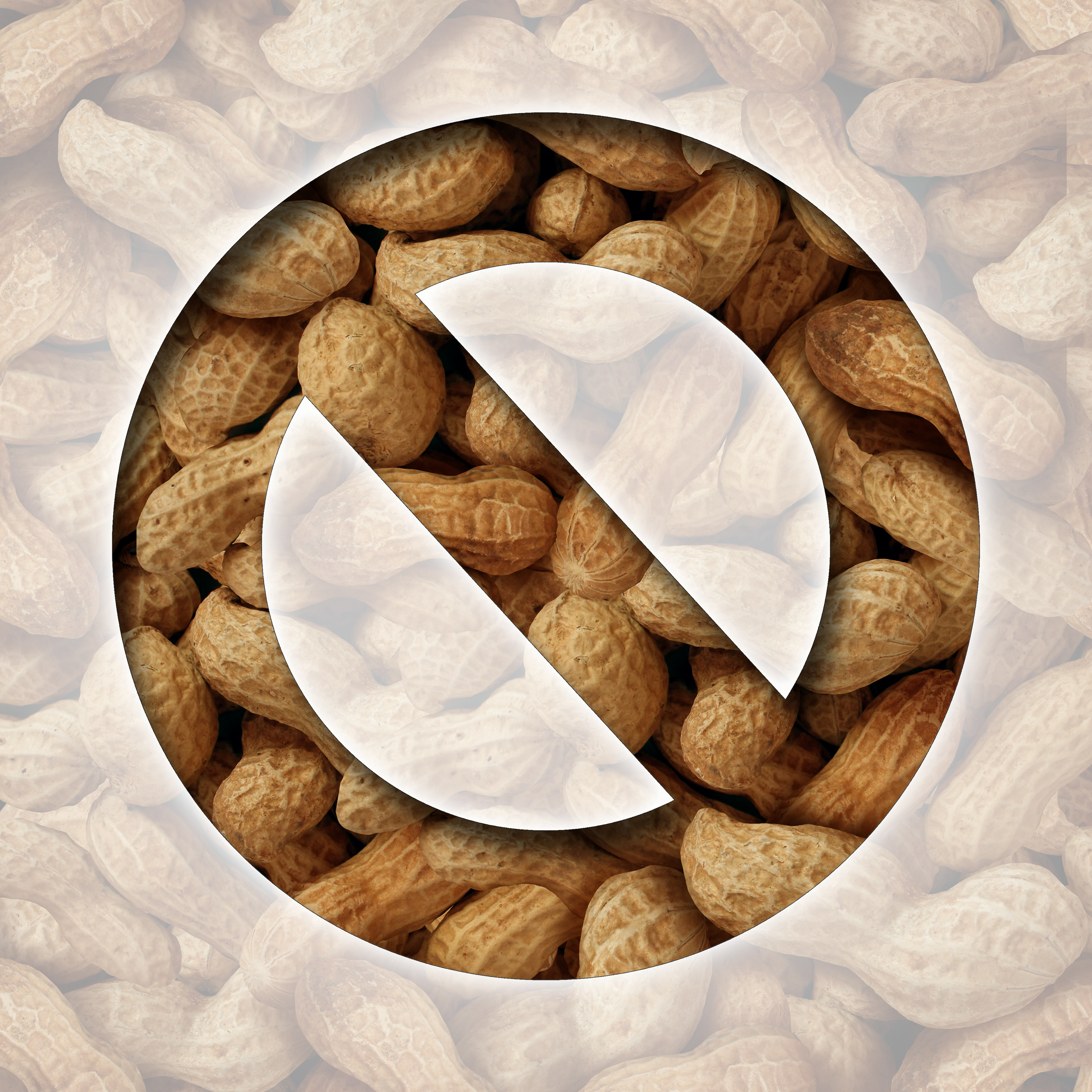
Children who eat peanuts at an early age may prevent peanut allergies
Peanut allergies can cause severe and sometimes deadly allergic reactions. A new study holds out the possibility that peanuts themselves may prevent peanut allergies. An international team asked parents of infants who were prone to a peanut allergy to give their children a peanut-based snack called Bamba or peanut butter three times a week until age five. The parents of another group of peanut allergy-prone infants were asked to make sure their children didn’t eat any peanuts, peanut butter, or other peanut-based products until age five. The results were surprising and dramatic. A peanut allergy developed in 1.9% of children who ate Bamba or peanut butter, compared with 13.7% of those who didn’t eat peanuts. This new work suggests that preventing peanut allergies may be a possibility in the near future.
Even a little exercise linked with lower stroke risk in people with afib
Testosterone therapy without evidence of deficiency may boost heart risk
Weight-loss drug may lower risk of heart attacks and infections
What to eat on the DASH diet
Migraine: How it's diagnosed and what that means
Tricep workouts you can do at home
Mindfulness practices to reduce stress and improve focus
Antihistamines may not offer meaningful relief from eczema symptoms
Overweight and taking blood pressure medications: Study finds it's a trend that's working
FDA approves first mRNA-based flu vaccine
Free Healthbeat Signup
Get the latest in health news delivered to your inbox!
Sign Up
