

Even a little exercise linked with lower stroke risk in people with afib

Testosterone therapy without evidence of deficiency may boost heart risk

Weight-loss drug may lower risk of heart attacks and infections

What to eat on the DASH diet

Migraine: How it's diagnosed and what that means

Tricep workouts you can do at home

Mindfulness practices to reduce stress and improve focus

Antihistamines may not offer meaningful relief from eczema symptoms

Overweight and taking blood pressure medications: Study finds it's a trend that's working

FDA approves first mRNA-based flu vaccine
Vaccines and immunizations Archive
Articles

Parents: Call the doctor right away for these 4 symptoms
Most parents know when their child needs to be seen by a medical professional, but certain symptoms should be considered warning signs that require immediate attention. If your child perks up, or stops crying, or otherwise looks completely fine once you see a doctor, don’t feel silly. These symptoms terrify doctors, so it’s always better to be safe than very, very sorry.

Parents: As more states legalize marijuana, here’s what you need to know and do
As marijuana becomes legal or is decriminalized in more states, teens are less likely to view its use as risky, so parents need to talk with their children about safety, especially if they use it themselves.

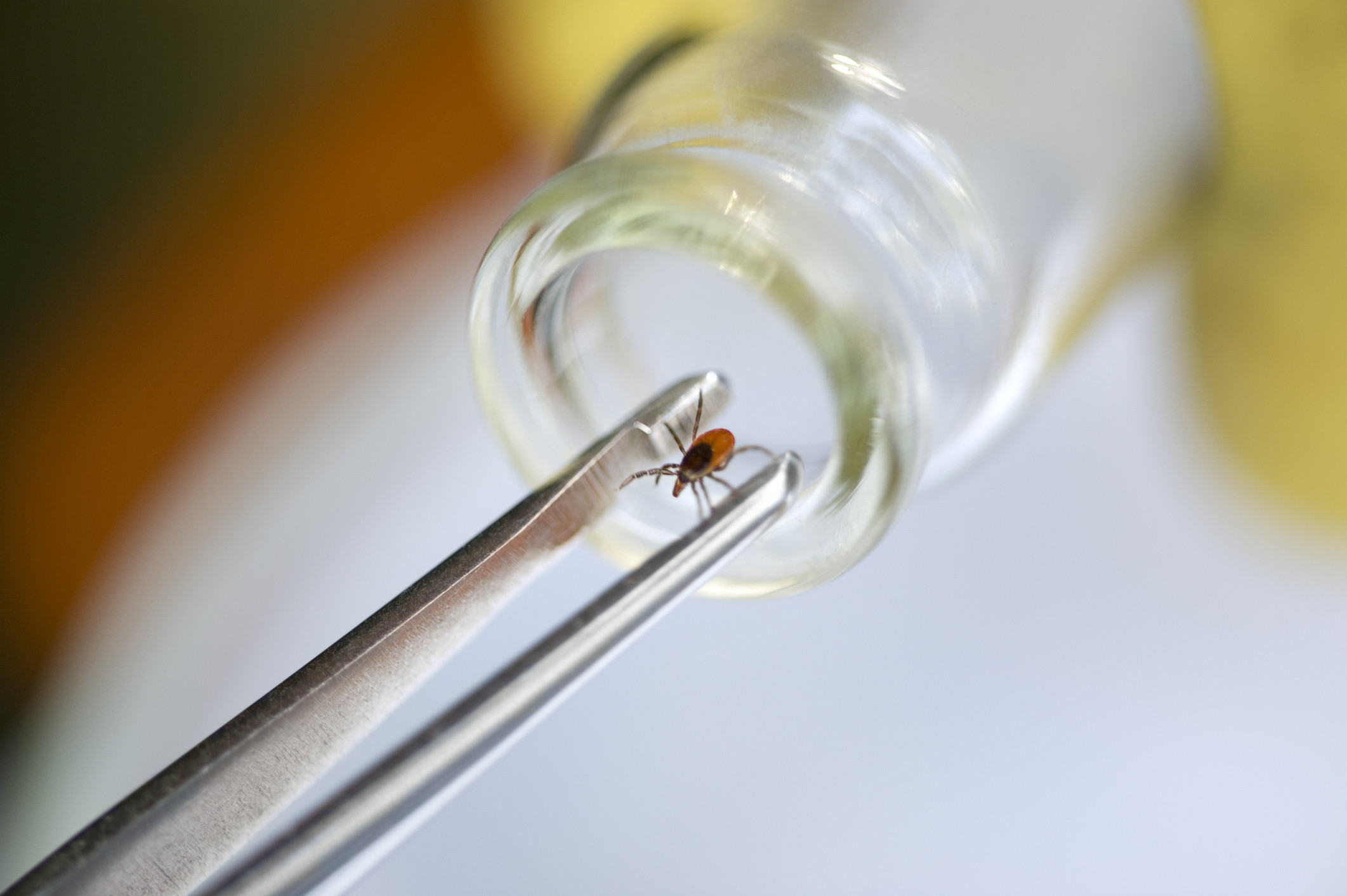
Finding the tick in time could save you from Lyme!
Outdoor activities can be spoiled by getting Lyme disease from a tick bite. Know what to do to protect yourself (and your pets) from this infection and its unpleasant symptoms, as well as what to do if you have already been bitten. If you do end up with a tick “on board” it is important to remove it correctly and know when to call your doctor.

Parents: How to manage injuries at home—and when you need to go to the doctor
Children are usually active and, as they explore the world, don’t have the common sense and good judgment of most adults. So, it is very common for kids to experience minor injuries throughout childhood. Parents need to know when and how to handle injuries at home and when medical advice or attention is needed.

Charles Darwin, Chagas’ disease, and the killer kissing bugs of California
An insect known as the kissing bug has the ability to pass along Chagas’ disease to unsuspecting people. While it affects more people in Latin America than in this country, this parasitic disease can still be a problem in the southwestern United States. Most cases of Chagas’ disease pass without much incidence, but it can cause lasting problems. The rates of Chagas’ disease could go up with climate change, and more research is definitely needed. Charles Darwin may be one of the first “researchers” on the subject, but he’s not to be the last.

2017 update to the immunization schedule for kids
The CDC and the AAP update their vaccine recommendations every year, and here are the latest changes. These updates show just how important it is to stay on top of research and help increase the effectiveness of each vaccine. The schedule for routine immunizations and catching up kids who get behind can be found on the CDC and AAP websites if you’d like more information.

Emergencies and First Aid - Emergency Checklist
This list describes your priorities in an emergency situation. Follow these steps:
- Evaluate the scene to protect yourself and others from injury or danger.
- Be calm and reassuring.
- Do not move the person unless he or she is in imminent danger or unless you cannot provide assistance without moving the person.
- Get help. Call out for someone to phone 911 or, if the person does not need immediate assistance, make the call yourself.
- If the situation is a choking emergency, perform the Heimlich maneuver (see Choking).
- Look, listen, and feel for breathing (see Breathing Difficulties).
- Feel for a pulse to determine if the heart is beating.
- Control bleeding with direct pressure.
- Treat for shock.
- If the person is unconscious, move him or her into the recovery position.

Emergencies and First Aid - Removing a Stuck Ring
Removing a Stuck Ring
| ||||
Emergencies and First Aid - Choking
Choking
A person who is choking will instinctively grab at the throat. The person also may panic, gasp for breath, turn blue, or be unconscious. If the person can cough or speak, he or she is getting air. Nothing should be done.
Immediate care
If the person cannot cough or speak, begin the Heimlich maneuver immediately to dislodge the object blocking the windpipe. The Heimlich maneuver creates an artificial cough by forcing the diaphragm up toward the lungs.
Even a little exercise linked with lower stroke risk in people with afib
Testosterone therapy without evidence of deficiency may boost heart risk
Weight-loss drug may lower risk of heart attacks and infections
What to eat on the DASH diet
Migraine: How it's diagnosed and what that means
Tricep workouts you can do at home
Mindfulness practices to reduce stress and improve focus
Antihistamines may not offer meaningful relief from eczema symptoms
Overweight and taking blood pressure medications: Study finds it's a trend that's working
FDA approves first mRNA-based flu vaccine
Free Healthbeat Signup
Get the latest in health news delivered to your inbox!
Sign Up
