

Fatty liver disease: Should you be tested?

Weight-loss drug may lower risk of heart attacks and infections

Testosterone therapy without evidence of deficiency may boost heart risk

Even a little exercise linked with lower stroke risk in people with afib

Antihistamines may not offer meaningful relief from eczema symptoms

What to eat on the DASH diet

Tricep workouts you can do at home

FDA approves first mRNA-based flu vaccine

Migraine: How it's diagnosed and what that means

Mindfulness practices to reduce stress and improve focus
Social engagement and relationships Archive
Articles

Choking alert: Strategies for safe swallowing
Therapy, exercises, and changes in eating habits will help keep you safe.
Image: nyul/ iStock
It used to be so easy to munch a handful of nuts: chew, swallow, enjoy. Now, you avoid them or make sure there's a glass of water nearby when you eat nuts or any other foods that seem to get stuck in your throat. "It's normal to have some age-related changes with swallowing or occasional difficulty swallowing. What's not normal is when food or liquids get into the lungs regularly," says Semra Koymen, a speech-language pathologist at Harvard-affiliated Brigham and Women's Hospital.
Causes and symptoms
Diagnosis
A speech pathologist's evaluation of dysphagia includes an exam of your mouth and tongue, consideration of your medical history and symptoms, and most likely a test in the radiology department called a video swallow study. It's done using a fluoroscopean x-ray machine that takes moving pictures. You swallow a variety of liquids and foods mixed with barium, a substance that shows up on x-rays. "As you swallow, we can see the material move through the mouth and throat and into the esophagus," says Koymen.
Treatment


Benefits of volunteering: This may be the time to cash in
A study published online Aug. 8, 2016, by BMJ Open found that volunteering seems to confer greater benefits for general well-being in middle and older age than earlier in life.

Fatty liver disease and your heart
About one in three adults has nonalcoholic fatty liver disease, an often-silent condition closely linked to heart disease.
Image: decade3d/ iStock
The largest organ inside your body, your liver performs hundreds of vital functions. It converts food into fuel, processes cholesterol, clears harmful toxins from the blood, and makes proteins that help your blood clot, to name a few. But an alarming number of Americans have a potentially dangerous accumulation of fat inside their livers. Known as nonalcoholic fatty liver disease (NAFLD), this condition is a leading cause of chronic liver disease in the United States—and an increasingly recognized contributor to heart disease.
"NAFLD increases the risk of heart disease independent of other traditional risk factors such as high blood pressure and cholesterol," says Dr. Kathleen Corey, director of the Fatty Liver Disease Clinic at Massachusetts General Hospital. Among people with NAFLD, heart disease is the top killer, accounting for more than 25% of deaths.

The power of plant-based protein: A longer life?
People who eat more plant-based proteins from beans, nuts, and grains may have a lower risk of dying from heart disease or any cause, compared with people who eat more animal-based proteins such as meat or eggs.

Exercise as an antidote for excessive sitting?
Sitting for more than eight hours a day and exercising very little has been linked to a higher risk of heart disease and early death. An hour of moderate-intensity exercise may lessen that risk.
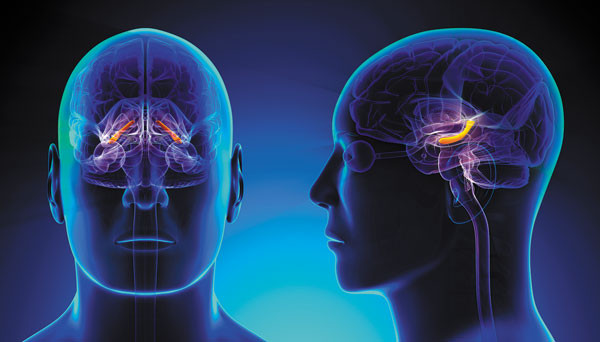
Can you grow new brain cells?
The science of neurogenesis suggests it's possible to create neurons that improve your memory and thinking skills.
Image: Decade3d/ Thinkstock
There are many aspects of aging you cannot prevent, but surprisingly, memory trouble is not one of them.
"The dogma for the longest time was that adult brains couldn't generate any new brain cells. You just use what you were born with," says Dr. Amar Sahay, a neuroscientist with Harvard-affiliated Massachusetts General Hospital. "But the reality is that everyone has the capacity to develop new cells that can help enhance cognitive functions."

Ease your pain by controlling your mind
Lower your dependency on medication by altering your perception of pain.
Image: Cathy Yeulet/ Thinkstock
Everyday pain becomes more constant as you age. It can vary from morning aches to occasional joint flare-ups to recurrent episodes that interfere with your life and overall health.
Yet pain has a valuable role. It alerts your systems to potential injury so you can seek treatment. "Pain is similar to blood pressure, which becomes a problem if the levels become too high," says Dr. Jianren Mao, director of the Harvard-affiliated Massachusetts General Hospital Center for Translational Pain Research. "Only when pain becomes intolerable should you resort to medication or other types of treatment."
Do fish oil supplements reduce inflammation?
There is no conclusive evidence that fish oil supplements reduce inflammation. Diets rich in omega-3 fatty acids are a better bet.
Behavioral activation therapy effectively treats depression, study finds
British researchers tested whether behavioral activation therapy alone is as effective as cognitive behavioral therapy. The results were almost identical for both groups, with two-thirds of each group reporting a reduction of depressive symptoms of at least 50%.
Fatty liver disease: Should you be tested?
Weight-loss drug may lower risk of heart attacks and infections
Testosterone therapy without evidence of deficiency may boost heart risk
Even a little exercise linked with lower stroke risk in people with afib
Antihistamines may not offer meaningful relief from eczema symptoms
What to eat on the DASH diet
Tricep workouts you can do at home
FDA approves first mRNA-based flu vaccine
Migraine: How it's diagnosed and what that means
Mindfulness practices to reduce stress and improve focus
Free Healthbeat Signup
Get the latest in health news delivered to your inbox!
Sign Up
