
Fatty liver disease: Should you be tested?

Weight-loss drug may lower risk of heart attacks and infections

Testosterone therapy without evidence of deficiency may boost heart risk

Even a little exercise linked with lower stroke risk in people with afib

Antihistamines may not offer meaningful relief from eczema symptoms

What to eat on the DASH diet

Tricep workouts you can do at home

FDA approves first mRNA-based flu vaccine

Migraine: How it's diagnosed and what that means

Mindfulness practices to reduce stress and improve focus
Social engagement and relationships Archive
Articles
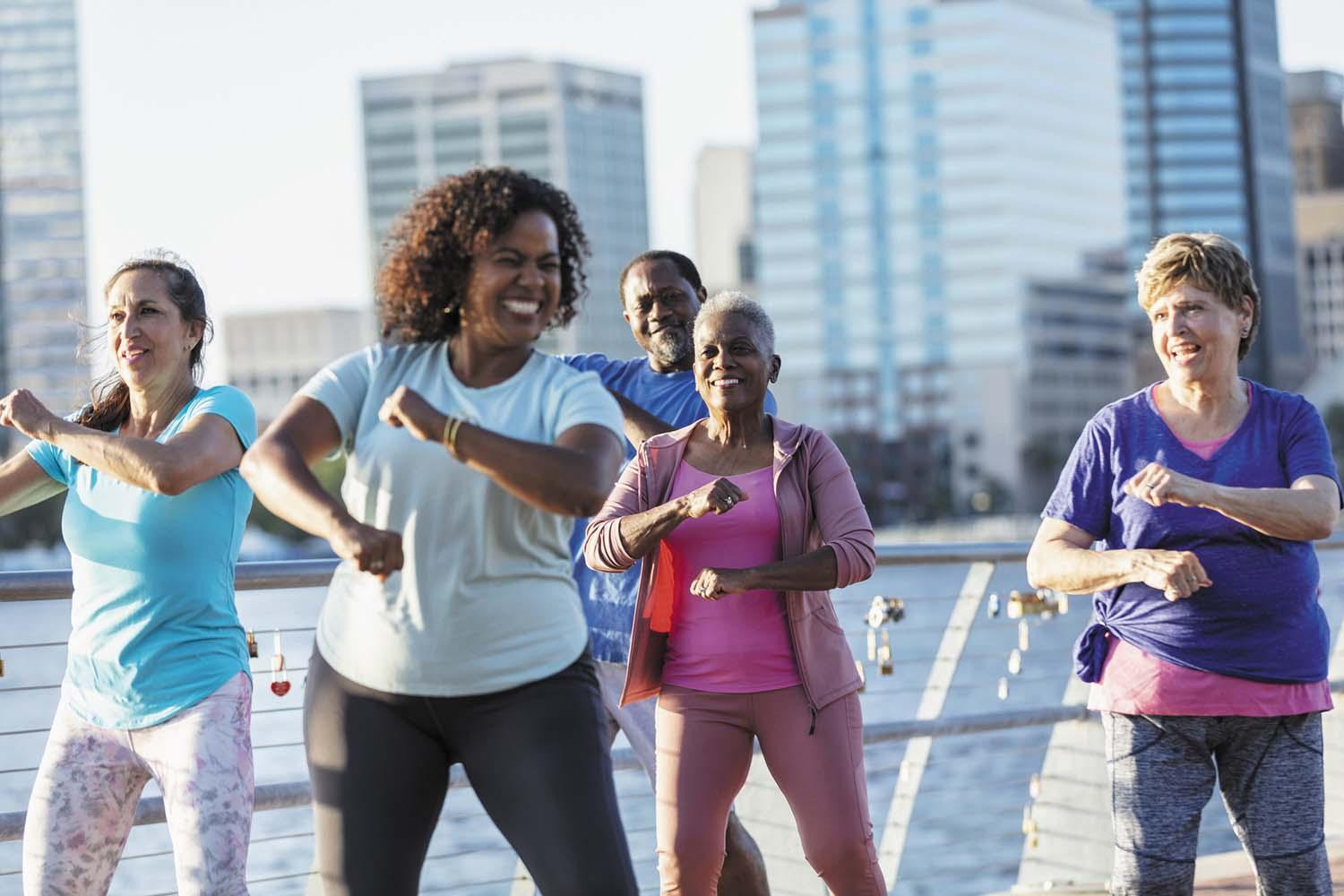
Twist, turn, tone
Dancing is a popular leisure activity. Evidence suggests dance boasts all the same benefits as other forms of consistent aerobic exercise: lowering blood pressure, building muscle and bone, increasing aerobic capacity, reducing anxiety, and improving depression symptoms. Dance can also counter loneliness and isolation and be easier to stick with than exercise that's more repetitive. People who want to try dance can frame it as a hobby instead of exercise, take a group class, and modify dance movements to accommodate pain or limited mobility.

Want to live longer? Replace butter with plant-based oil
In a 2025 study of more than 221,000 people followed for more than 30 years, scientists calculated that swapping about a tablespoon of butter per day for about two teaspoons of olive, soybean, or canola oil was tied to a 17% reduction in premature death.

A popular alternative to a traditional sleeping pill
In the last few years, the prescribing rate for zolpidem, a popular sleeping pill, has been declining in favor of the "off-label" use of an antidepressant called trazodone, which is known for its ability to make people drowsy. But doctors are concerned that trazodone hasn't been well studied for insomnia, it is not FDA-approved to treat the condition, and there are sparse data showing that it is safe or that it works for patients with insomnia. Experts advise choosing medications based on a patient's specific needs, not a trend.

Water aerobics tied to weight loss and a smaller waist
A 2025 review of 10 randomized controlled trials (involving about 300 people) found that those who took part in two or three one-hour water aerobics classes weekly for at least 10 weeks lost up to 6 pounds and trimmed their waists by about an inch.
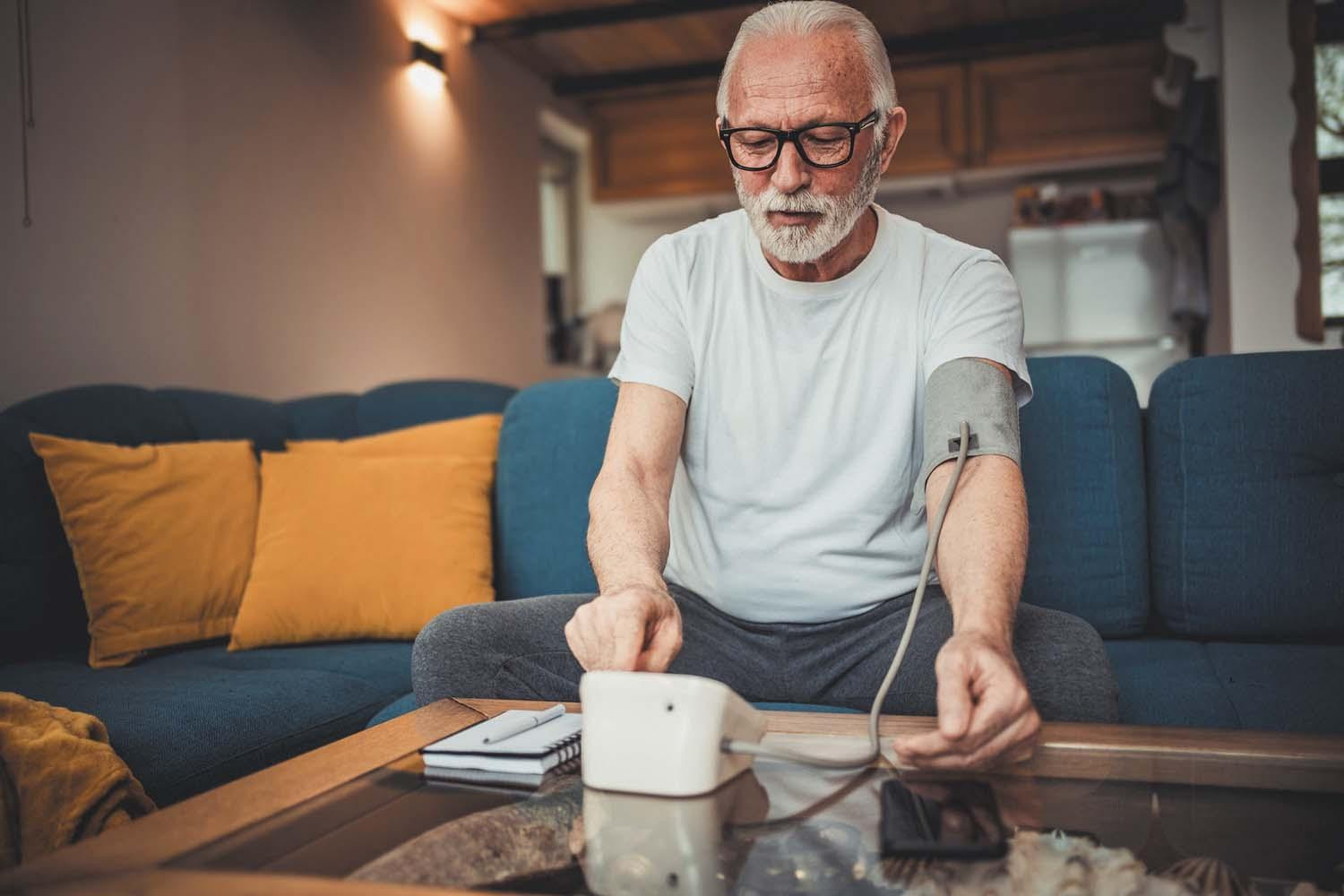
Take back your blood pressure control!
When blood pressure remains high despite treatment, making certain lifestyle changes can help. Examples include reducing dietary sodium and increasing dietary potassium, losing weight, limiting alcohol intake to no more than one drink per day, exercising (doing aerobics and strength training), using tools that improve medication adherence (such as an automatic pill dispenser, a medication diary, a smartphone alarm, or a reminder app), quitting smoking, getting more sleep, managing stress, and reducing caffeine intake.

Wake-up to managing poor sleep
Guidelines recommend at least seven hours of sleep nightly for most healthy adults. But instead of fixating on a specific number of hours, experts suggest people focus on how well they sleep, also known as sleep quality. Improving sleep quality starts with recognizing the factors contributing to poor sleep. One way is for people to keep a sleep diary for one to two weeks to record details of their sleep experience. Afterward, they can review the information to identify any patterns that may be affecting their sleep and make adjustments.

Prepare now for your health needs in the future
If possible, everyone should prepare for the possibility of needing support services or long-term care in older age, even if it's not yet needed. Ways to prepare include designating a health care proxy and power of attorney; writing advance directives for health care preferences; investigating potential housing options (such as assisted living facilities) and support services (such as a health aide) well in advance; downsizing belongings, including one's home; and meeting with a financial planner to figure out how to tackle caregiving expenses.

A bird flu primer: What to know and do
A bird flu strain that began circulating in 2020 continues to evolve globally and locally within the United States. If you're wondering what this means, understanding the basics - what bird flu is, how it spreads, whether foods are safe, and prevention tips - can help.

Salmonella is sneaky: Watch out
If you've ever had food poisoning caused by Salmonella bacteria, you know it's unpleasant but typically goes away within two to three days. You may not know that these bacteria sicken more than a million people in the US each year - and can be deadly for some. You can take steps to avoid getting sick.

Staying socially active linked to delayed dementia diagnosis
In a 2025 study of about 2,000 people (average age 80) who were followed for seven years, about a third developed dementia or mild cognitive impairment. Being socially active seemed to delay that diagnosis for about five years.
Fatty liver disease: Should you be tested?
Weight-loss drug may lower risk of heart attacks and infections
Testosterone therapy without evidence of deficiency may boost heart risk
Even a little exercise linked with lower stroke risk in people with afib
Antihistamines may not offer meaningful relief from eczema symptoms
What to eat on the DASH diet
Tricep workouts you can do at home
FDA approves first mRNA-based flu vaccine
Migraine: How it's diagnosed and what that means
Mindfulness practices to reduce stress and improve focus
Free Healthbeat Signup
Get the latest in health news delivered to your inbox!
Sign Up
