

Even a little exercise linked with lower stroke risk in people with afib

Testosterone therapy without evidence of deficiency may boost heart risk

Weight-loss drug may lower risk of heart attacks and infections

What to eat on the DASH diet

Migraine: How it's diagnosed and what that means

Tricep workouts you can do at home

Mindfulness practices to reduce stress and improve focus

Antihistamines may not offer meaningful relief from eczema symptoms

Overweight and taking blood pressure medications: Study finds it's a trend that's working

FDA approves first mRNA-based flu vaccine
Sleep Archive
Articles
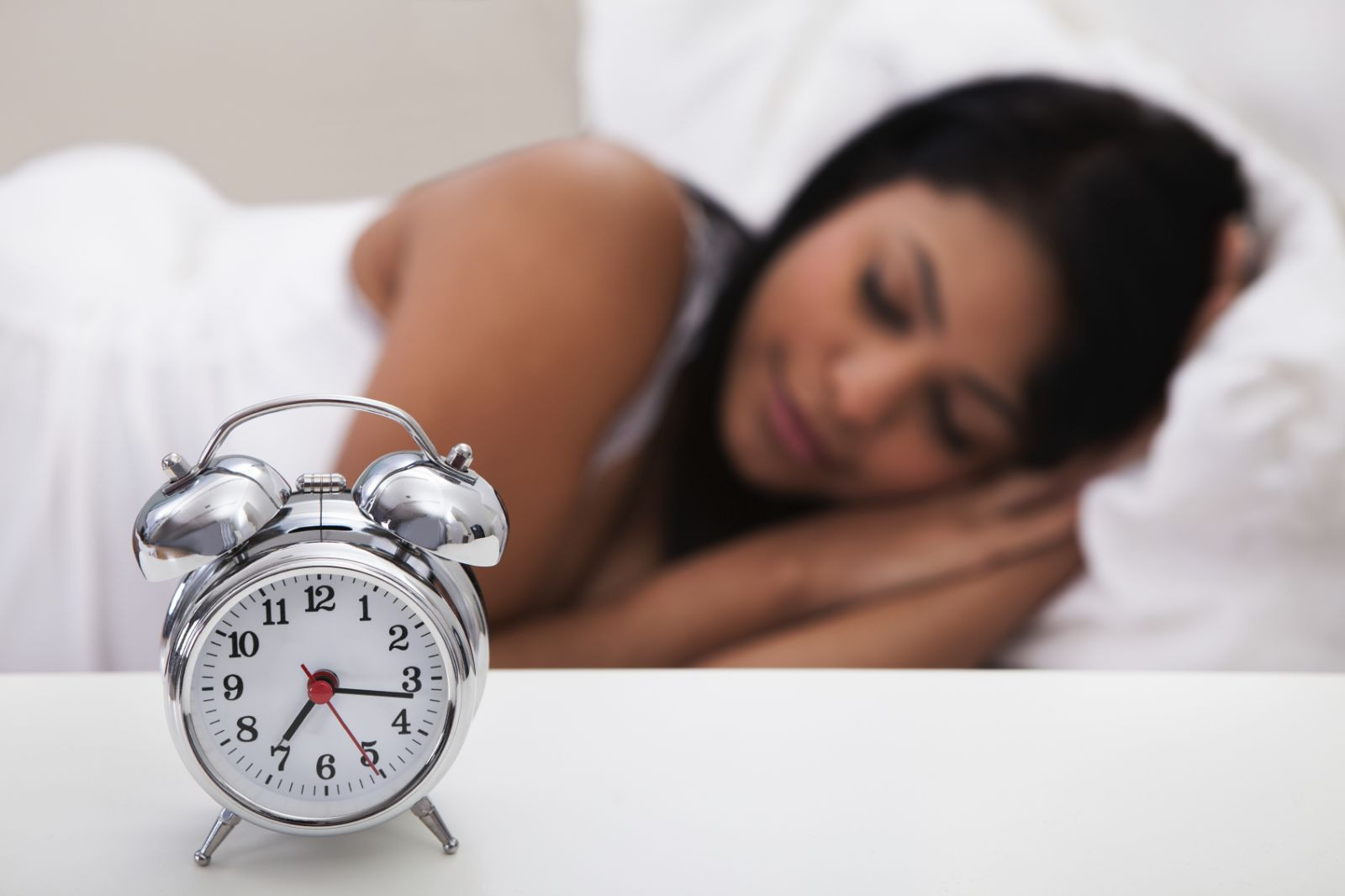
Successful aging: 10 tips for better sleep
Getting enough good-quality sleep is essential to staying healthy and aging well. Certain sleep problems — for example, sleep apnea — require medical treatment. But these 10 simple steps can help you overcome general sleep difficulties, including insomnia.
- Stick to a consistent sleep schedule and routine. Go to bed at the same time each night and wake up at the same time each morning. A set sleep routine will "train" you to fall asleep and wake up more easily.
- Use the bed only for sleep and sex.
- Cut down on caffeine. For some people, a single cup of coffee in the morning means a sleepless night. Caffeine can also increase the need to urinate during the night.
- Be physically active. Regular aerobic exercise like walking, running, or swimming provides three important sleep benefits: you'll fall asleep faster, attain a higher percentage of restorative deep sleep, and awaken less often during the night.
- Limit daytime naps. Prolonged napping can disrupt your natural sleep cycle and prevent you from feeling tired enough to fall asleep.
- If you use tobacco in any form, quit. Nicotine makes it harder to fall asleep.
- Use alcohol cautiously. Alcohol depresses the nervous system, so a nightcap may help some people fall asleep. But this effect disappears after a few hours and may even lead to waking up throughout the night. Alcohol can also worsen snoring and other sleep breathing problems.
- Improve your sleep surroundings. Remove the television, telephone, and any other devices from the bedroom. This reinforces the idea that this room is meant for sleeping. An ideal environment is quiet, dark, and relatively cool, with a comfortable bed and minimal clutter.
- If you're still awake after about 20 minutes in bed, get up and read awhile to relax. Otherwise, you'll set yourself up for tossing and turning.
- Try to avoid taking sleeping pills. If you do take a prescription sleep medicine, work with your doctor to use it effectively and for as short a time as possible.
For more ways to get better-quality sleep and tackle common sleep problems, buy Improving Sleep: A guide to a good night's rest, a Special Health Report from Harvard Medical School.



What’s your sleep IQ?
Answer these questions so you can identify poor sleep patterns or symptoms and seek treatment.
Image: © Salapao2u/Thinkstock
Most people know that sleep is an important part of good health. But not everyone is as well versed on how to get those coveted Z's. "Sleep literacy could use a lot of work. The average amount of sleep Americans get has dropped by an hour to an hour and a half per night," says sleep expert Dr. Lawrence Epstein, an instructor in medicine at Harvard Medical School.
Dr. Epstein points out that people who get less sleep are more likely to develop obesity, diabetes, high blood pressure, and heart disease. "People who sleep less don't live as long as people who sleep more," he warns.

Learn the risks of sleep aids
Some of these prescription medications are linked to daytime sleepiness, a risk of falls, and more.
Image: © mokee81/Thinkstock
Millions of Americans rely on prescription sleep medications, called sedative hypnotics, to fall asleep. While the drugs can help people get a decent night's rest, they are not designed for long-term use. "Each of the pills has its own risks," says sleep expert Dr. Lawrence Epstein, an instructor in medicine at Harvard Medical School.
Types of sleep aids
Sedative hypnotics fall into three categories.
Melatonin-receptor agonists such as ramelteon (Rozerem) leave the body quickly. They target melatonin receptors in the brain and are not thought to be habit-forming.

Tennis, anyone?
When it comes to heart health, there's a lot to love about racket sports.
If you haven't lobbed a tennis ball over a net since high school, you might want to pick up a racket again. A recent study suggests that people who play racket sports regularly may slash their odds of dying from a heart attack or stroke.
Tennis, which ranks among the world's most popular sports, provides an excellent full-body workout, plus a few other less obvious benefits. And lower-impact racket sports, such as badminton or table tennis, may be good choices for people who have certain health conditions or who are older (see "Ping-Pong, perhaps?").

Getting a start on growing stronger
Building strength and power is key to healthy aging, both physically and mentally. It may be easier than you think.
We probably don't need to remind you that your body changes with age. Age-related muscle loss begins at around age 35 and progresses slowly — at about 1% per year. But after about age 60, muscle loses mass more rapidly, so that adults who don't do regular strength training may lose 4 to 6 pounds of muscle per decade. Moreover, the lost muscle is usually replaced by fat.
Studies show that strength training not only can slow muscle loss, it can also help prevent or control conditions as varied as heart disease, diabetes, arthritis, and osteoporosis. And recent research indicates that it can also improve cognitive function, especially when added to aerobic exercise. As we age, strength training helps to preserve mobility and reduce the risk of falling. "What has been shown is that if you're looking at mobility problems, the most beneficial exercises that are those that focus on progressive training for strength and power," says Dr. Jonathan Bean, an associate professor of physical medicine and rehabilitation at Harvard Medical School.

5 ways to protect your eyes from AMD
Age-related macular degeneration (AMD) is a condition in which the macula, the part of the eye that's responsible for your sharpest and most detailed vision, begins to thin and break down, causing vision loss. If left untreated, it can lead to blindness.
There is no surefire way to prevent AMD. However, there are things you can do to delay its onset or reduce its severity. Here are 5 of our favorites:
Even a little exercise linked with lower stroke risk in people with afib
Testosterone therapy without evidence of deficiency may boost heart risk
Weight-loss drug may lower risk of heart attacks and infections
What to eat on the DASH diet
Migraine: How it's diagnosed and what that means
Tricep workouts you can do at home
Mindfulness practices to reduce stress and improve focus
Antihistamines may not offer meaningful relief from eczema symptoms
Overweight and taking blood pressure medications: Study finds it's a trend that's working
FDA approves first mRNA-based flu vaccine
Free Healthbeat Signup
Get the latest in health news delivered to your inbox!
Sign Up
