

Even a little exercise linked with lower stroke risk in people with afib

Testosterone therapy without evidence of deficiency may boost heart risk

Weight-loss drug may lower risk of heart attacks and infections

What to eat on the DASH diet

Migraine: How it's diagnosed and what that means

Tricep workouts you can do at home

Mindfulness practices to reduce stress and improve focus

Antihistamines may not offer meaningful relief from eczema symptoms

Overweight and taking blood pressure medications: Study finds it's a trend that's working

FDA approves first mRNA-based flu vaccine
Sleep Archive
Articles
Better sleep, naturally
The world looks very different at 3 a.m. when you're lying in bed staring at the ceiling or the clock. "How will I make it through tomorrow without any sleep?" you worry. You may wonder how to sleep better every night. If you regularly can't get to sleep - or stay asleep - and it's affecting you during the day, then you may have insomnia.
Prescription or over-the-counter sleep aids can help you drift off, but these drugs also have side effects. These include morning drowsiness, which can make activities like driving or using machinery dangerous, and an increased risk for falling. There are other ways to sleep better than medications.


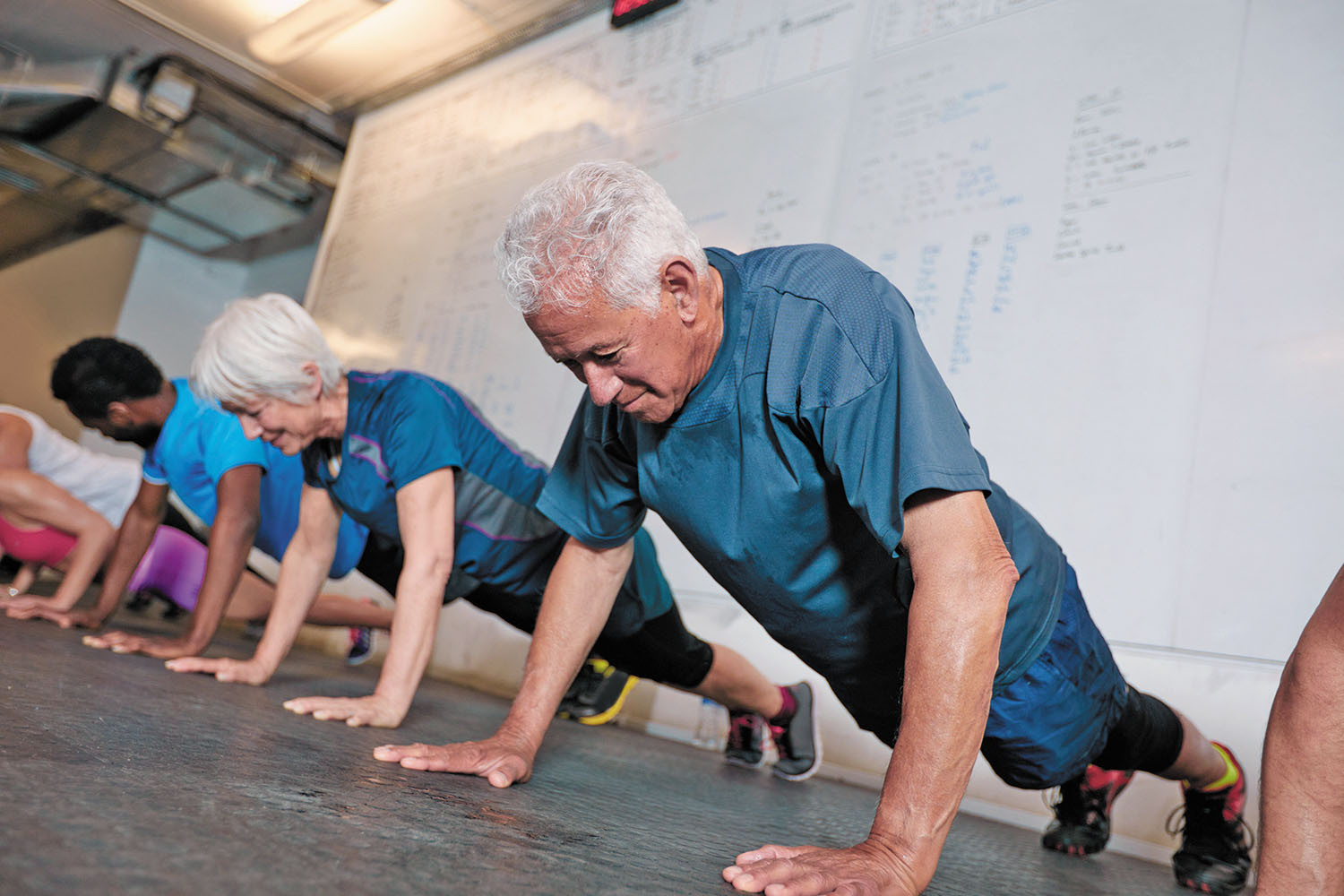
Stop making these common workout mistakes
Skipping warm-ups and lifting too much can lead to injury.
Image: © laflor/Getty Images
Exercising is one of the best things you can do for your health, and you deserve an enthusiastic pat on the back for any amount of physical activity you're doing. But if you're performing your exercises the wrong way, you could be hurting, not helping your body.
One of the biggest exercise errors is using improper technique. You risk back injury if you arch your back while doing planks or push-ups, and knee injury if you bend too deeply in a lunge or squat (see "Move of the month").

What to order at the coffee shop
Trendy new options are fresh and appealing, but they may not be good for you.
Image: © NatashaPhoto/Getty Images
The. hot item in coffee shops isn't just coffee. Now, along with inventive brews, many shops are offering fresh gourmet noshes that rival food at chic cafes. That means you'll find treats and dishes with all the buzzwords attached, including "house-baked," "handcrafted," and "locally sourced." It also means you may be tempted to eat something that's unhealthy, especially if you're ordering quickly because eight people are in line behind you.
New on the menu
More coffee shops are ditching prepackaged pastries and sandwiches, and operating tiny kitchens that crank out breakfast with flair. For example:
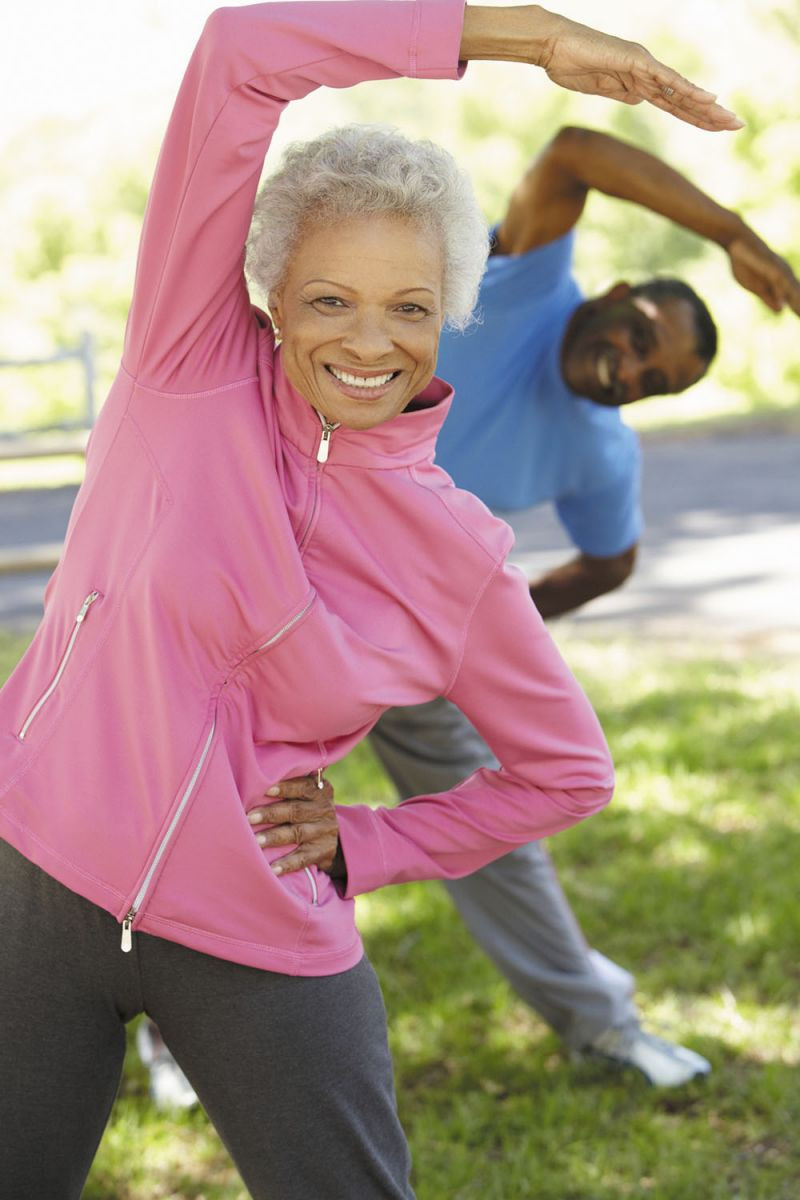
Move more, even if it’s gentle activity
News briefs
Are you putting off exercise because you think you need to jump into a rigorous routine? An observational study published Aug. 8, 2018, in the Journal of the American Heart Association suggests that even light physical activity, combined with less time sitting, is associated with signs of better heart and blood vessel health among older adults. Researchers analyzed health information for more than 1,600 people ages 60 to 64 who underwent clinical assessments and wore heart and physical activity monitors for five days. Participants' activity ranged from light intensity — like stretching and golfing — to moderate-to-vigorous activity, like brisk walking, dancing, and lawn mowing. Scientists also looked at participants' blood markers for heart and blood vessel disease, including the inflammation markers C-reactive protein and interleukin-6. The results: compared with being sedentary, people with light to moderate activity levels had more favorable biomarker profiles. The takeaway: lots of research has shown that replacing sedentary time with any amount of physical activity is linked to better health, so don't let high activity goals keep you from getting off the couch.
Image: © Mark Bowden/Getty Images

Warning: Avoid these novel treats in shopping malls and restaurants
News briefs
Image: © manustart/Getty Images
If your grandkids urge you to indulge them in a popular new snack at the mall, just say no. The FDA is warning that consuming products with liquid nitrogen added at the last minute can lead to injury. The products are marketed under names such as "Dragon's Breath" and "Nitro Puff." They're cheese puffs or cereal pieces that are frozen in liquid nitrogen and then dipped in a special sauce. When you put them in your mouth, the products release vapor that looks like smoke. Liquid nitrogen is also added to some cocktails to make them look like they're emitting fog. But the FDA says all of these products can cause severe damage to skin and internal organs and may cause breathing problems. The agency advises you to avoid the products.

Strategies for sleep apnea
Treating sleep apnea — a condition closely linked to cardiovascular problems — can be challenging.
Image: © nebari/Getty Images
Loud, explosive snoring is a hallmark of obstructive sleep apnea, which affects up to 25% of men and 10% of women. This nighttime breathing problem often disrupts sleep, leaving people tired and irritable during the day. But sleep apnea also can boost blood pressure and may increase the risk of clogged heart arteries, heart rhythm disorders, heart failure, and stroke.
The gold standard treatment, called positive airway pressure or PAP — which uses a bedside machine that provides a stream of air through a face mask — is very effective. But it's a tough sell for many people, who find the device challenging to use consistently. Because of difficulty tolerating the device, some people don't use their PAP machine every single night, while others remove it halfway through the night. However, troubleshooting some common issues with PAP may help (see "Tips for using a PAP machine").

Setting up a home gym
Here's what you need to keep you exercising.
Image: © SelectStock/Getty Images
Perhaps the biggest physical challenge for older men is maintaining muscle mass and strength. On average, men can expect to lose up to 5% of their muscle mass each decade after age 30.
But regular strength training can slow that loss and even increase muscle mass into your 90s, according to Dr. Steven Makovitch, an instructor in physical medicine and rehabilitation at Harvard-affiliated Spaulding Rehabilitation Hospital. "Increased muscle mass has benefits beyond physical strength, too," he says. "Staying fit can reduce your fear of falls, increase confidence, and help you sleep better."

Larger waist size in older adults linked with lower cognitive function
In the journals
Previous research has linked excess body fat with a higher risk of cognitive decline. In the past, most studies have gauged body fat based on body mass index (BMI). However, waist size may be a better way to predict possible cognitive impairment among older adults, according to a study in the Sept. 14, 2018, issue of the British Journal of Nutrition.
Researchers examined health data on 5,186 people ages 60 and older. They found that a larger waist size was associated with reduced performance in such mental abilities as attention and visuospatial skills (the ability to perceive the differences and similarities between objects). The study participants also scored lower on memory tests.
Even a little exercise linked with lower stroke risk in people with afib
Testosterone therapy without evidence of deficiency may boost heart risk
Weight-loss drug may lower risk of heart attacks and infections
What to eat on the DASH diet
Migraine: How it's diagnosed and what that means
Tricep workouts you can do at home
Mindfulness practices to reduce stress and improve focus
Antihistamines may not offer meaningful relief from eczema symptoms
Overweight and taking blood pressure medications: Study finds it's a trend that's working
FDA approves first mRNA-based flu vaccine
Free Healthbeat Signup
Get the latest in health news delivered to your inbox!
Sign Up
