

Even a little exercise linked with lower stroke risk in people with afib

Testosterone therapy without evidence of deficiency may boost heart risk

Weight-loss drug may lower risk of heart attacks and infections

What to eat on the DASH diet

Migraine: How it's diagnosed and what that means

Tricep workouts you can do at home

Mindfulness practices to reduce stress and improve focus

Antihistamines may not offer meaningful relief from eczema symptoms

Overweight and taking blood pressure medications: Study finds it's a trend that's working

FDA approves first mRNA-based flu vaccine
Senior living and care Archive
Articles
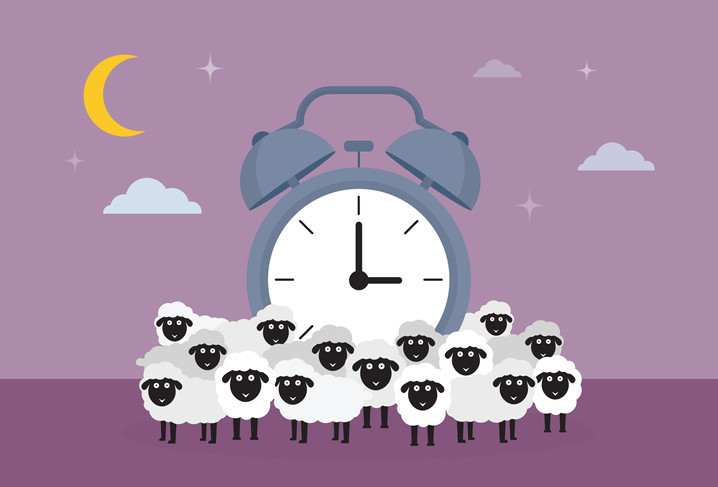
How much sleep do you actually need?
Just how many hours of sleep are enough for you? The answer varies and it might be better to track sleep quality than focus on the number of hours you log each night.

Kidneys, eyes, ears, and more: Why do we have a spare?
The human body has excess capacity — that is, our organs have more reserve than most of us will ever need. Why are we built with this natural redundancy? And which body parts can safely fail or be removed without impairing health?


Baby, it's cold inside
Some older adults feel cold frequently. This may result from age-related physical changes or an underlying condition. Examples of underlying conditions that might make a person feel cold include anemia, an underactive thyroid, diabetic neuropathy, peripheral artery disease, or Raynaud's phenomenon. People who experience coldness that interferes with their daily activities or sleep should talk to a doctor about it.

Why your gums are so important to your health
Periodontal disease, the leading cause of adult tooth loss, may increase the risk of diabetes, heart disease, and dementia.

Rare and often aggressive, Merkel cell cancer is best caught early
Merkel cell cancer is a rare form of skin cancer that often spreads aggressively to other areas of the body. Here's what to know about it, including who is more likely to get it and how you can take steps to help prevent it.

The far-reaching effects of a little bit of weight loss
Losing 5% of one's total body weight can result in clinically significant physiologic changes. For example, losing a little weight can reduce heartburn, knee pain, blood pressure, and diabetes risk. Losing 5% of one's body weight may also lead to better sexual function, more restorative sleep, extra energy, and more self-esteem. To reach a 5% reduction in total body weight, it helps to exercise; eat a healthy diet rich in lean proteins, whole grains, fruits, vegetables, legumes, nuts, and seeds; and get enough sleep.
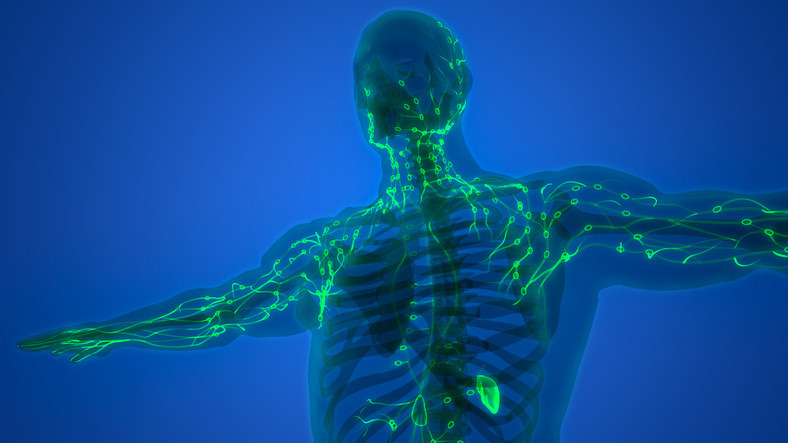
Wondering what your lymph nodes have done for you lately?
The human body has hundreds of lymph nodes, one part of the immune system that helps defend the body against health threats. They aren't usually noticeable, but they are always working to deal with potential health problems.

Getting over the fat phobia
There are several types of dietary fat. Some fats are unhealthy, such as trans fat and saturated fat. Polyunsaturated and monounsaturated fat are healthy.
Even a little exercise linked with lower stroke risk in people with afib
Testosterone therapy without evidence of deficiency may boost heart risk
Weight-loss drug may lower risk of heart attacks and infections
What to eat on the DASH diet
Migraine: How it's diagnosed and what that means
Tricep workouts you can do at home
Mindfulness practices to reduce stress and improve focus
Antihistamines may not offer meaningful relief from eczema symptoms
Overweight and taking blood pressure medications: Study finds it's a trend that's working
FDA approves first mRNA-based flu vaccine
Free Healthbeat Signup
Get the latest in health news delivered to your inbox!
Sign Up
