

Even a little exercise linked with lower stroke risk in people with afib

Testosterone therapy without evidence of deficiency may boost heart risk

Weight-loss drug may lower risk of heart attacks and infections

What to eat on the DASH diet

Migraine: How it's diagnosed and what that means

Tricep workouts you can do at home

Mindfulness practices to reduce stress and improve focus

Antihistamines may not offer meaningful relief from eczema symptoms

Overweight and taking blood pressure medications: Study finds it's a trend that's working

FDA approves first mRNA-based flu vaccine
Senior living and care Archive
Articles

Fear of falling: Do you have an emergency plan?
Because falls are a serious risk for people ages 65 and older, it's important to have an emergency plan in place. The plan should include a trusted contact who'll be able to help in the event of a fall, and an understanding of when to call 911 versus the doctor's office. It would also be beneficial to have a medical alert system that summons emergency contacts and 911 at the touch of a button. And it would help to consider which resources would be needed if a fall results in a long recuperation.


Color-changing eye drops: Are they safe?
Eye drops that claim to change a person's eye color are being promoted online, and the ability to do this may sound tempting. But are these products safe? The answer is a hard no according to the American Academy of Ophthalmology.


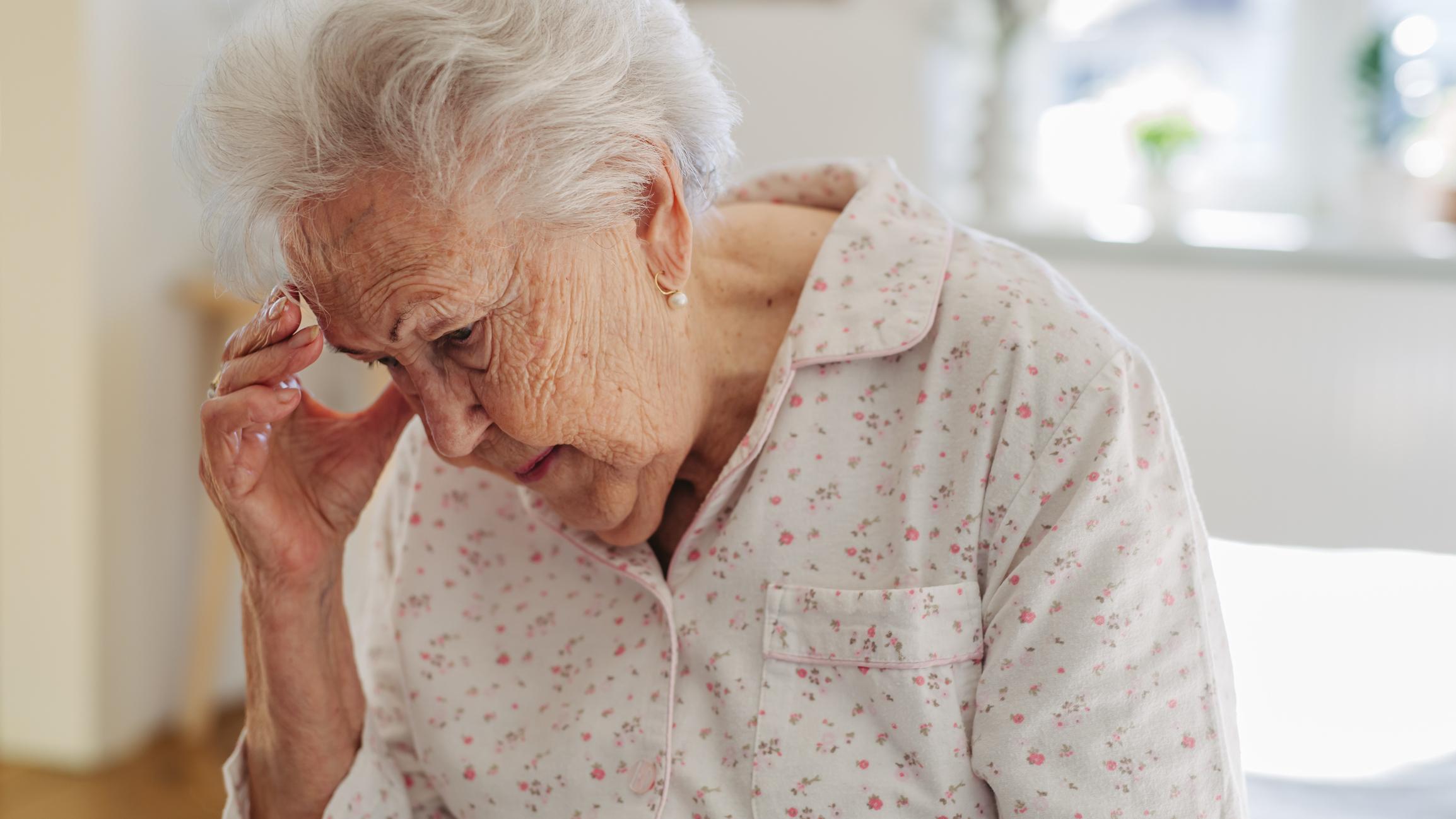

Gratitude linked to longer life and fewer heart-related deaths
A 2024 study suggests that older women with higher scores on tests to assess gratitude may live longer than those with lower scores. Most of this benefit seems to come from preventing deaths from heart disease.

Gratitude may help you live longer
A 2024 study suggests that having an attitude of gratitude may help people live longer.

Medication perils
The way people's bodies absorb and process medications changes as they age. This, along with additional health problems, muscle loss, or frailty, can make seniors more vulnerable to drug side effects and interactions. Adults 65 and older use more over-the-counter drugs than any other age group in the United States. Nonprescription drugs to reconsider include aspirin, nonsteroidal anti-inflammatory drugs, proton-pump inhibitors, and older types of antihistamines.

Can drinking raise my blood pressure?
Drinking is linked to increased risks of high blood pressure. Alcohol elevates levels of the hormone renin, which narrows blood vessels and decreases urine output. The more often someone drinks, the more likely high blood pressure will result.
Even a little exercise linked with lower stroke risk in people with afib
Testosterone therapy without evidence of deficiency may boost heart risk
Weight-loss drug may lower risk of heart attacks and infections
What to eat on the DASH diet
Migraine: How it's diagnosed and what that means
Tricep workouts you can do at home
Mindfulness practices to reduce stress and improve focus
Antihistamines may not offer meaningful relief from eczema symptoms
Overweight and taking blood pressure medications: Study finds it's a trend that's working
FDA approves first mRNA-based flu vaccine
Free Healthbeat Signup
Get the latest in health news delivered to your inbox!
Sign Up
