

Even a little exercise linked with lower stroke risk in people with afib

Testosterone therapy without evidence of deficiency may boost heart risk

Weight-loss drug may lower risk of heart attacks and infections

What to eat on the DASH diet

Migraine: How it's diagnosed and what that means

Tricep workouts you can do at home

Mindfulness practices to reduce stress and improve focus

Antihistamines may not offer meaningful relief from eczema symptoms

Overweight and taking blood pressure medications: Study finds it's a trend that's working

FDA approves first mRNA-based flu vaccine
Senior living and care Archive
Articles

Dietary nitrate may lower risk of glaucoma
Eating 10 servings of green leafy vegetables per week, or about 1.5 cups per day, may lower a person’s risk for primary open-angle glaucoma by 20% to 30%. These foods are rich in nitrate, which can help reduce eye pressure and improve blood flow to the optic nerve.

7 things you can do to avoid drug interactions
Each of your medications may be affecting how the others work, leading to harmful side effects and complications.
Each additional medication you take increases the risk of drug interactions.
Image: SheilaFitzgerald/Thinkstock
Are you taking more than one drug? Are you taking a few different types of medications? Are you seeing several different doctors? If so, you may be at increased risk for drug interactions, which occur when a drug, a supplement, or even a food affects the way your body processes a medication. Such interactions can make a drug more powerful—so that a standard dose becomes an overdose—or can render it less potent or altogether ineffective.
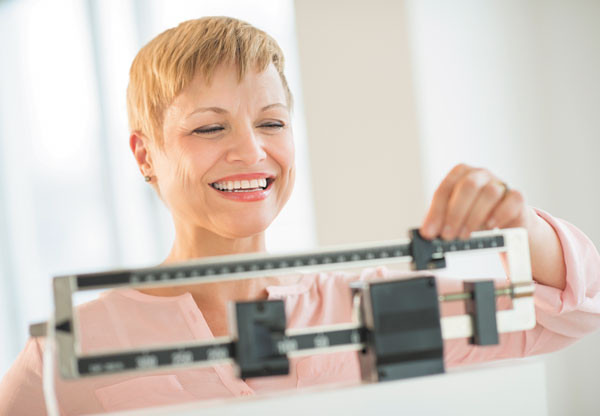
Why controlling your weight lowers your risk of diabetes
Inflammation is an important link between obesity, elevated blood sugar, and type 2 diabetes.
Weight loss can reduce inflammation—a major contributor to diabetes.
Image: tetmc/Thinkstock
We've known for a long time that being overweight is a major risk factor for developing type 2 diabetes. But only in the last 20 years have researchers determined that metabolism and immune responses are linked and that chronic inflammation plays an important role in the development of obesity, diabetes, and related metabolic diseases. "Inflammation is not only associated with obesity, diabetes, and cardiovascular disease, but also precedes and predicts these conditions," says Dr. Allison Goldfine, head of the Clinical Research section at Harvard-affiliated Joslin Diabetes Center.
Mediterranean diet may protect against fractures as well as high-dairy diet
Research We’re Watching
In the 2015–2020 Dietary Guidelines for Americans, the emphasis shifted from healthy foods to healthy eating plans. Scientists are also focusing on the role of one's entire diet in preventing osteoporosis.
A team of German researchers analyzed data from more than 90,000 women enrolled in the Women's Health Initiative (WHI), who were ages 50 to 79 when they entered the study.
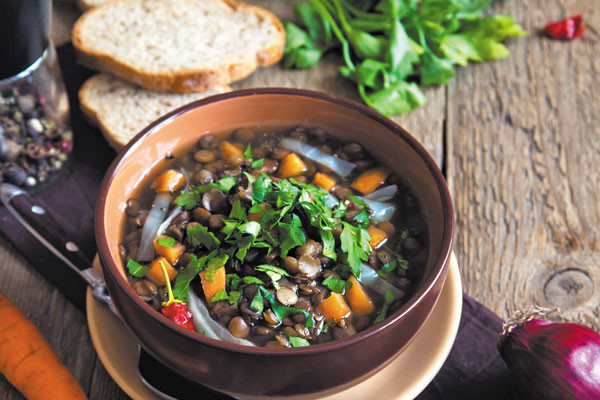
What do heart experts eat for dinner?
They follow their own advice to enjoy lots of vegetables, legumes, lean protein, and a fruit-based dessert.
Image: Mizina/Thinkstock
Following a healthy diet is a proven and powerful way to lower your risk of heart disease. But do you ever wonder if doc-tors actually practice what they preach, especially with regard to their eating habits? While we obviously can't speak for all of them, four Harvard physicians with diverse ethnic backgrounds agreed to share examples of their favorite heart-healthy dinner menus.
Dr. Enrique Caballero, assistant professor of medicine
A native of Mexico, Dr. Caballero directs the Latino Diabetes Initiative at the Joslin Diabetes Center; his research interests include cardiovascular disease prevention.
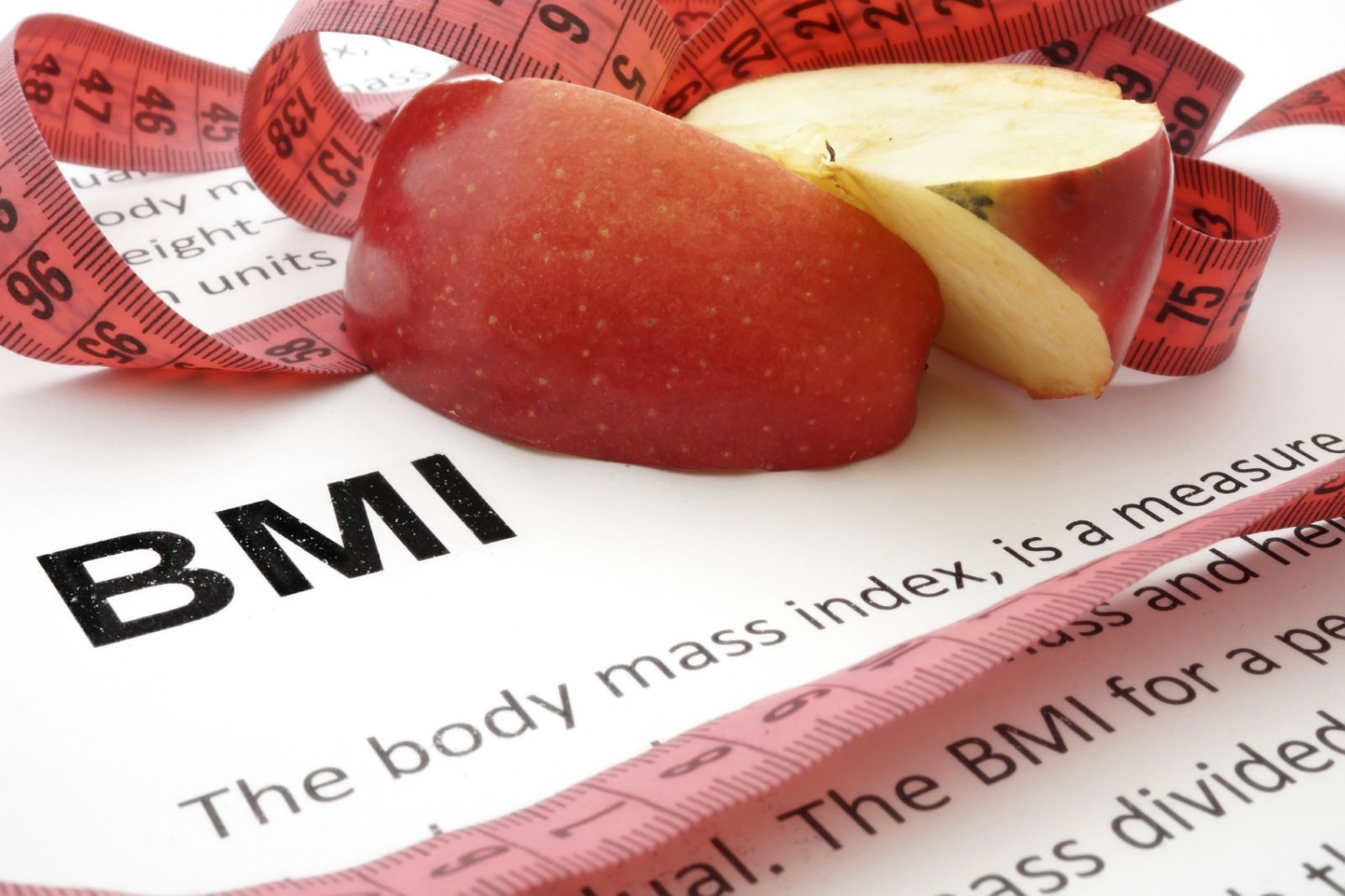
Weighing in on the value of the body mass index
Your BMI estimates your body fat better than the number on a scale. But a tape measure is an equally important tool.
As your BMI rises above 25, so does your risk for developing high blood pressure, diabetes, and cardiovascular disease.
Image: designer491/iStock
The body mass index (BMI), a measurement derived from the relationship between your weight and your height (see box), is a common way to estimate body fat. It's a simple, fast, and essentially free tool that enables doctors to help identify people who might be at risk for health problems—including cardiovascular disease—that are linked to excess body fat.

Lend a hand, help your heart?
People who do volunteer work may reap benefits beyond the satisfaction of helping others.
Doing volunteer work may give you a greater sense of purpose in life—a positive emotion that’s been linked to a lower risk of heart disease.
Image: monkeybusinessimages/Thinkstock
If you volunteer on a regular basis, perhaps you've experienced the emotional rewards of donating your time. What you might not realize, however, is that volunteering may offer some added advantages for your heart.

The new generation of wearable medical alert systems
Cheap, mid-priced, and Cadillac. Which one is for you?
Option one
This basic option usually includes a button you wear on a pendant or wristband, and a base unit (similar to a speaker-phone) that you plug into your house phone jack. If you get into trouble, you simply press your button, which signals the base unit to call the alert system operators. An operator then talks to you through the speaker in the base unit and sends paramedics if you need help. Most gadgets are waterproof and have built-in batteries that don't need recharging; most batteries last for years and will be replaced free of charge if they run out.
Typical price: $25–$30/month
Considerations: Just like a wireless house phone, these buttons can signal the base unit only within a limited range, such as 400 feet. But the buttons don't provide two-way communication with operators; only the base unit does that. So what happens if you're upstairs when you call for help, but the unit is downstairs? How will you hear the operator? Answer: you'll need another speaker, called a voice extender (that costs extra). And what if you're unable to press the button after a fall? Or what if you fall when you're away from home? You'll need upgrades to address those issues, such as fall detection or cellular technology, typically available in options two and three, below.
Option two
Option three
This premium option usually upgrades the button to a top-of-the-line device that looks like a mini cellphone, and actually uses cellular technology to contact emergency help. The improved communication allows you to use the alert system wherever you go, whether it's the grocery store or the great outdoors. Unlike the other options, this device has a built-in speaker, so you can talk to an operator through the button. It also features global positioning system technology (GPS), which gives alert system operators the ability to send help to your exact location.
Typical price: $40–$50/month
Considerations: This button is thicker and larger than the type worn only at home, so you probably won't be able to wear it comfortably on your wrist—you'll have to put it in your pocket or wear it around your neck. Also, it must be charged every few days, just like a cellphone. If you're not faithful about that, the button won't work.
Additional services
The fine print
It's not enough to find the latest and greatest alert system. You'll want to make sure that the company you choose has low activation fees, no long-term contracts, no cancellation fees, discounts for add-ons to your service, free replacement for equipment that's not working, and most important: operators who are available 24 hours a day at a UL-listed call center, which means the center meets requirements for backup systems in the event of failures, and is certified by safety testing company UL.
There are many alert system companies that meet all of those standards. Your choice may be swayed by recommendations from a friend, your doctor, or a local hospital. Just do your homework, and then give the system a try. You may soon wonder how you ever got along without it.
Could you use an alert system?An alert system is worth strong consideration if you live alone. But anyone at risk of falling could benefit from using one. The story of a Georgia couple's tragedy in January 2016 underscores the need: An 86-year-old man fell out of his motorized wheelchair outside their home, and shouted for his 74-year-old wife. She fell while trying to reach him, and both wound up on the ground overnight, with no way to call for help. The wife died in freezing temperatures; her husband was dressed warmly and survived. Think about how an alert system could help in your own living situation. What if, for example, you fell while a family member was in another part of the house, unable to hear you? What if you fell while your family member was out doing errands? What if you fell and were simply unable to shout for help? If you have an alert system, you'll save precious time and get treatment sooner. "I think these devices are a good thing, especially for people who don't have someone calling every day to be sure they are okay. Unfortunately, sometimes the very people who need them the most are the people who won't wear them," says geriatrician Dr. Suzanne Salamon, a Harvard Medical School assistant professor. |
A quick guide to medical alert system option levelsMake sure the company you choose has low activation fees, no long-term contracts, no cancellation fees, free equipment replacement, and operators available 24/7. | ||
Option one | Option two | Option three |
|
|
|

Smart chocolate choices for a healthy heart
The advice to eat chocolate should be taken with a grain of salt.
Image: Leszek Kobusinski/Thinkstock
Like bees swarming a melting candy bar, the media buzz around the purported health benefits of chocolate has been hard to ignore. The possibility that such a sumptuous treat might actually be good for your heart is very sweet news, indeed.
But there's a lot more to this story that we need to understand before going hog wild in the candy aisle, says Dr. Howard Sesso, associate professor in the division of preventive medicine at Harvard-affiliated Brigham and Women's Hospital. "Simply recommending that people eat dark chocolate as a way of improving health is very misleading, since chocolate products tend to have a significant amount of fat, sugar, and calories." Instead, he and colleague Dr. JoAnn Manson are embarking on the Cocoa Supplement and Multivitamin Outcomes Study (COSMOS), a four-year trial involving 18,000 participants that is designed to tease out the intricacies of chocolate's health-promoting nutrients (www.cosmostrial.org).
Even a little exercise linked with lower stroke risk in people with afib
Testosterone therapy without evidence of deficiency may boost heart risk
Weight-loss drug may lower risk of heart attacks and infections
What to eat on the DASH diet
Migraine: How it's diagnosed and what that means
Tricep workouts you can do at home
Mindfulness practices to reduce stress and improve focus
Antihistamines may not offer meaningful relief from eczema symptoms
Overweight and taking blood pressure medications: Study finds it's a trend that's working
FDA approves first mRNA-based flu vaccine
Free Healthbeat Signup
Get the latest in health news delivered to your inbox!
Sign Up
