

Even a little exercise linked with lower stroke risk in people with afib

Testosterone therapy without evidence of deficiency may boost heart risk

Weight-loss drug may lower risk of heart attacks and infections

What to eat on the DASH diet

Migraine: How it's diagnosed and what that means

Tricep workouts you can do at home

Mindfulness practices to reduce stress and improve focus

Antihistamines may not offer meaningful relief from eczema symptoms

Overweight and taking blood pressure medications: Study finds it's a trend that's working

FDA approves first mRNA-based flu vaccine
Senior living and care Archive
Articles


Plank Pass
Harvard Fitness Expert Michele Stanten demonstrates how to use the medicine ball to add a little challenge to the plank position.
You should have some strength training under your belt before trying this workout. While you can modify the moves, it is still an advanced routine that combines both strength and power in many of the moves. This makes it a time-efficient workout, but also a more intense one. You may notice that your heart rate goes up more than during other strength workouts.
Strength to power
Harvard Fitness Expert Michele Stanten explains the difference between strength and power, and how to work out each of these attributes in many of the same exercises.
The Basic Workout is good for everyone. If you're new to strength training—or haven't been exercising for a month or more—this dumbbell and bodyweight routine is a great starting point. But even if you lift weights regularly, this workout can help by targeting muscles in new ways.
Kettlebell
Harvard Fitness Expert Michele Stanten shows the proper form for using the kettle bell to maximize the health benefits and minimize injuries.
Kettlebells supply resistance when you are strength training, which builds muscles. This not only makes you stronger, but also increases your muscles' endurance and strengthens your bones as well.

Pill-free ways to lower high blood pressure
Reduce your dependence on medications with these strategies.
More than a third of all adults in the United States have high blood pressure—a systolic pressure (the top number in a reading) of at least 140 millimeters of mercury (mm Hg), or a diastolic pressure (the bottom number) of at least 90 mm Hg, or both. The condition injures blood vessel walls and forces the heart to work harder, increasing the risk for heart disease and stroke.
Taking medication to treat high blood pressure is just part of the solution.



Surviving the flu season
The odds of beating the bug are increasing as another new vaccine for seniors debuts.
Image: Bigstock
The flu season is upon us. Like that other season—winter—it can be unpredictable. But the Centers for Disease Control and Prevention (CDC) is doing its best to see that we're informed and as prepared as possible for whatever is in store. For updates throughout the flu season, check the CDC website, www.cdc.gov/flu.
How well does the flu shot work?
Why the flu shot is worthwhile
Flu vaccination may make your illness milder if you do get sick. A 2016 study indicated that people 50 or older who got a flu vaccination had a 57% lower risk of hospitalization for the flu than their contemporaries who weren't vaccinated. Flu vaccination has been associated with lower rates of heart attacks and related problems among people with heart disease and with reduced hospitalizations among people with diabetes and chronic lung disease.
Getting vaccinated yourself also protects people around you, including those who are more vulnerable to serious flu illness, like babies and people with certain chronic health conditions.
Vaccines for seniors

Ask the doctor: Are activity trackers worthwhile for weight loss?
If wearing an activity tracker results in more daily exercise but not a significant weight loss, it still provides health benefits.
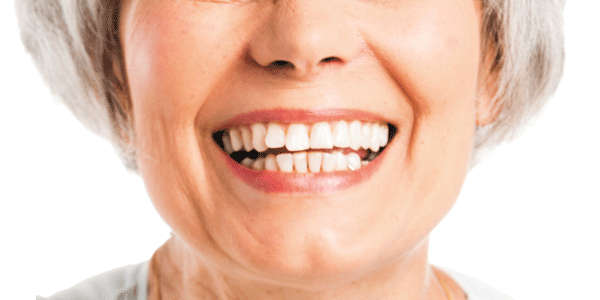
Two options for replacing lost teeth
Missing teeth can lead to additional dental woes, but implants and bridges can restore your smile and improve your dental—and overall—health.
Few of us will make it through life with a full set of 32 teeth. By age 50, the average American has lost 12 permanent teeth to decay, gum disease, or injury. Losing teeth not only affects your smile, but can also alter your bite and weaken your jawbone as well.
There is little reason to let that happen. Advances in prosthetic dentistry have made it possible to fill the spaces with bridges and implants that are more functional and attractive than the teeth they have replaced. "Your mouth is the first organ of your digestive system. Missing teeth affect not just your appearance but your overall health," says Dr. German Gallucci, executive director of the Harvard Dental Center. "We view dentistry as an integral part of comprehensive health care."
Even a little exercise linked with lower stroke risk in people with afib
Testosterone therapy without evidence of deficiency may boost heart risk
Weight-loss drug may lower risk of heart attacks and infections
What to eat on the DASH diet
Migraine: How it's diagnosed and what that means
Tricep workouts you can do at home
Mindfulness practices to reduce stress and improve focus
Antihistamines may not offer meaningful relief from eczema symptoms
Overweight and taking blood pressure medications: Study finds it's a trend that's working
FDA approves first mRNA-based flu vaccine
Free Healthbeat Signup
Get the latest in health news delivered to your inbox!
Sign Up
