

Even a little exercise linked with lower stroke risk in people with afib

Testosterone therapy without evidence of deficiency may boost heart risk

Weight-loss drug may lower risk of heart attacks and infections

What to eat on the DASH diet

Migraine: How it's diagnosed and what that means

Tricep workouts you can do at home

Mindfulness practices to reduce stress and improve focus

Antihistamines may not offer meaningful relief from eczema symptoms

Overweight and taking blood pressure medications: Study finds it's a trend that's working

FDA approves first mRNA-based flu vaccine
Sciatica Archive
Articles


Opioid drugs may not help with long-term low back pain
Opioid painkillers are commonly prescribed for chronic low back pain. However, a new study suggests that the drugs offer only modest, short-term relief, and should probably be used in conjunction with nondrug therapies or different drugs.

Unlocking solutions to chronic knee pain
These options may help you find relief from constant discomfort.
Image: Remains/Thinkstock
Knee pain is one of the top reasons men visit their doctor. While the pain and soreness often can go away with rest, ice, and over-the-counter pain medications, if it becomes too severe or fails to abate in a timely manner, you may need to take further action.
"If your knee pain is not a result of some kind of structural or mechanical issue that requires surgery, or due to osteoarthritis, there are other options that may help eliminate or better control the pain," says Dr. Lars Richardson, a sports medicine orthopedic surgeon with Harvard-affiliated Massachusetts General Hospital.

Help for your hands
A few simple exercises can preserve the strength and flexibility of your hands and wrists.
Image: Thinkstock
There's a reason that "having a good grip on the situation" is used as a metaphor for mastery. In physiological testing, grip strength is one of the indicators of health and vitality. Yet, although we may exercise to strengthen our cores and limbs, most of us don't make an effort to strengthen our forearms and our hands. "We use our hands continually, but we don't take the time to deliberately exercise them," says Joanne P. Bosch, a physical therapist and certified hand therapist at Harvard-affiliated Brigham and Women's Hospital.
That said, it's not a good idea to rush out and buy a device promoted for building a "crushing hand grip" or to start squeezing a tennis ball. "Doing the wrong exercise can actually exacerbate some problems, particularly carpal tunnel syndrome," Bosch says.
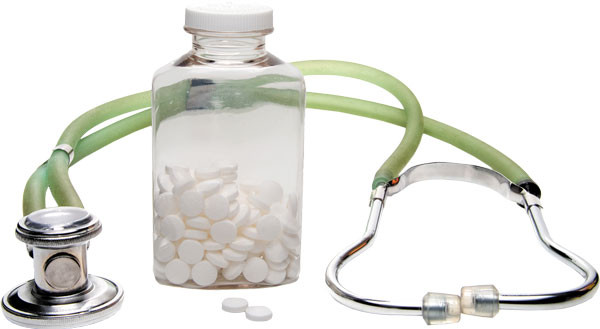
Why you should always have aspirin on hand
This old standby may not be your first choice for pain relief, but it still has an important role in disease prevention and first aid.
Image: Thinkstock
We have a lot to thank aspirin for. It's cheap and plentiful. It does a good job of relieving pain and bringing down fevers. It has also been shown to reduce the risk of heart attack, stroke, and colon cancer. It can even stop heart attacks and strokes in their tracks. In fact, if you're in your 50s or 60s, you may want to think about taking a low-dose aspirin every day.
After evaluating the results of scores of studies, in April 2016 the U.S. Preventive Services Task Force (USPSTF) recommended that women and men ages 50 through 69 who have a 10% risk of a heart attack or stroke in the next 10 years take 81 milligrams (mg) of aspirin daily. Under the previous recommendations—which, were different for men and women—daily low-dose aspirin was advised for women ages 60 through 79 who were at increased risk for cardiovascular events. The recommendation was revised to reflect a new method of calculating the risk of heart attack and stroke and of increased risk of bleeding in older people.

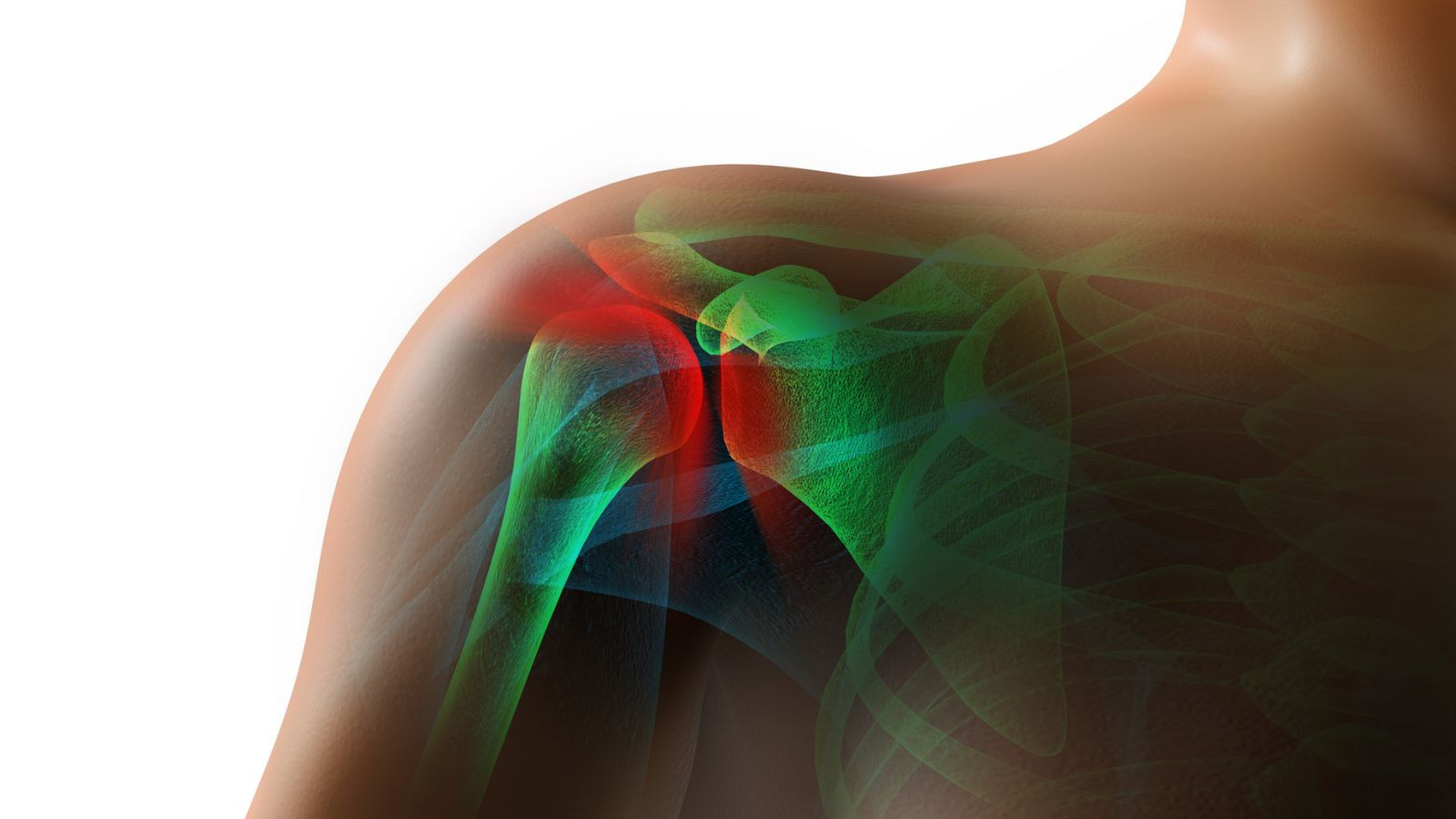
Warming up a frozen shoulder
You cannot prevent this condition in most cases, but knowing what to expect can get you through the healing process.
Image: jqbaker/iStock
So much of life happens above shoulder height—washing your hair, reaching for objects on shelves, even a good morning stretch. If your shoulders are weak, life can be quite limited.
While everyday shoulder aches and stiffness are common, if pain and mobility become substantially worse over time, and you do not have arthritis in the shoulder, you may have a condition called adhesive capsulitis, also known as frozen shoulder.


Do habits cause your neck pain?
Sit up straight, keep electronic screens at eye level, and try some strengthening exercises to reduce pain and feel better.
Looking down at a computer screen for prolonged periods may lead to neck pain.
Image: AndreyPopov/iStock
If your day involves using a smartphone or laptop, reading a book or magazine, or curling up on a couch to watch TV, your day may also include some nagging neck pain. That's because you may be bending your body in an unhealthy position for a prolonged period of time. "It's an overuse injury. Your body was designed to move, but you're forcing your neck and shoulders into one static position for too long," says Dr. Clare Safran-Norton, a physical therapist and clinical supervisor of rehabilitation services at Harvard-affiliated Brigham and Women's Hospital.

New guidelines: Avoid opioids for chronic pain
News Briefs
The CDC wants doctors to stop treating chronic pain by prescribing opioids, such as oxycodone (OxyContin). The CDC published guidelines on opioid prescription March 15, 2016, in The Journal of the American Medical Association. Opioids are powerful painkillers typically used to treat severe pain after surgery or pain with terminal illness, and sometimes used to treat chronic pain. But long-term use of these drugs comes with the risk of dependence, addiction, overdose, and death, as we reported in March.
The CDC is recommending that doctors instead treat chronic pain with non-opioid painkillers, such as acetaminophen (Tylenol) or ibuprofen (Advil); anticonvulsants (gabapentin or pregabalin); tricyclic antidepressants; or serotonin-norepinephrine reuptake inhibitors. The CDC also suggests treating chronic pain with nondrug therapies, such as physical therapy. If you and your doctor feel the benefits of opioid therapy outweigh the risks, the CDC urges doctors to prescribe the lowest effective dose, and reassess risks and benefits at least every three months. The recommendation is not intended for people taking opioids for terminal illness or palliative care.
Even a little exercise linked with lower stroke risk in people with afib
Testosterone therapy without evidence of deficiency may boost heart risk
Weight-loss drug may lower risk of heart attacks and infections
What to eat on the DASH diet
Migraine: How it's diagnosed and what that means
Tricep workouts you can do at home
Mindfulness practices to reduce stress and improve focus
Antihistamines may not offer meaningful relief from eczema symptoms
Overweight and taking blood pressure medications: Study finds it's a trend that's working
FDA approves first mRNA-based flu vaccine
Free Healthbeat Signup
Get the latest in health news delivered to your inbox!
Sign Up
