

Fatty liver disease: Should you be tested?

Weight-loss drug may lower risk of heart attacks and infections

Testosterone therapy without evidence of deficiency may boost heart risk

Even a little exercise linked with lower stroke risk in people with afib

Antihistamines may not offer meaningful relief from eczema symptoms

What to eat on the DASH diet

Tricep workouts you can do at home

FDA approves first mRNA-based flu vaccine

Migraine: How it's diagnosed and what that means

Mindfulness practices to reduce stress and improve focus
Psoriasis Archive
Articles

What causes a red rash on the neck that stings and itches?
A neck rash that stings and itches can have several possible triggers. The timing, recent exposures and other symptoms may help point to the cause.

What do dark vertical streaks on fingernails indicate?
Discover what dark vertical streaks on fingernails might mean, from benign nail pigmentation to signs of a more serious skin cancer.
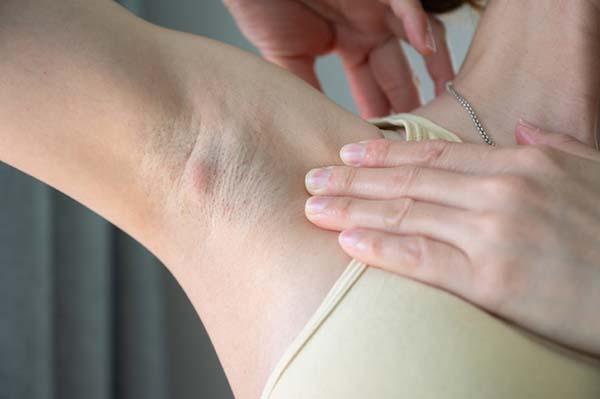
What causes recurring underarm boils, and how are they treated?
Repeated underarm boils can have different causes and may need more than home care. Find out what symptoms matter and how doctors approach treatment.

What's your take on the new sunscreen ingredient?
As of August 2026, sunscreens in the United States will be allowed to use an ingredient called bemotrizinol. It blocks both UVA and UVB rays and it doesn’t appear to be absorbed into the bloodstream, unlike many sunscreen chemicals.
Can MRSA return after treatment?
A MRSA infection may be treatable, yet the bacteria can sometimes remain on the body and return. Find out what recovery and prevention involve.

What conditions can cause peeling skin on the fingers and hands?
Peeling skin on your fingers can signal eczema, infection, or other issues. Explore common triggers, treatments, and when to call the doctor.
Could steroid creams or hormone problems be causing my excess hair growth?
Discover how steroid creams, hormones, thyroid issues, and other conditions might drive new hair growth and when to seek a doctor’s advice.
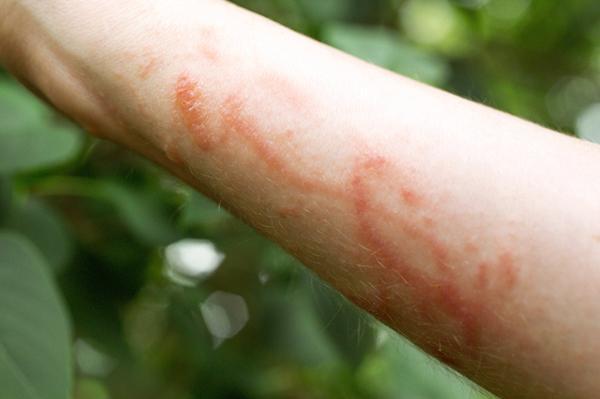
Poison ivy rash: Symptoms, treatment, and prevention
Poison ivy rash is a red, blistering, itchy skin reaction caused by contact with the oily resin of the poison ivy plant. Quickly washing any exposed skin and contaminated clothing, tools, pets, or gear may help reduce the risk of a reaction. For a mild rash, home remedies and over-the-counter medications can help soothe symptoms; stronger prescription drugs can help heal more severe cases.

Be wise about bee and wasp stings
In most cases, bee, wasp, or hornet stings can be treated with simple remedies. For example, placing a cold pack on the sting site helps reduce swelling. Applying over-the-counter hydrocortisone cream helps relieve swelling and itching, too. Taking an antihistamine—such as fexofenadine (Allegra) or loratadine (Claritin)—also eases itching. If symptoms persist for a few days, it’s time to call a doctor. If a severe allergic response develops—indicated by difficulty breathing or hives—it’s crucial to call 911 for help and get an injection of epinephrine as soon as possible.

Can stress cause Bell's palsy?
Explore what doctors know about Bell’s palsy triggers, from stress to viral infections and diabetes, and why pinpointing a cause is tricky
Fatty liver disease: Should you be tested?
Weight-loss drug may lower risk of heart attacks and infections
Testosterone therapy without evidence of deficiency may boost heart risk
Even a little exercise linked with lower stroke risk in people with afib
Antihistamines may not offer meaningful relief from eczema symptoms
What to eat on the DASH diet
Tricep workouts you can do at home
FDA approves first mRNA-based flu vaccine
Migraine: How it's diagnosed and what that means
Mindfulness practices to reduce stress and improve focus
Free Healthbeat Signup
Get the latest in health news delivered to your inbox!
Sign Up
