

Naturally gluten-free foods

Harvard study: Healthier fats linked to longer life after prostate cancer diagnosis

Shingrix shingles vaccine linked with lower heart disease risks

Estrogen-only hormone therapy tied to lower dementia risk

Should you have a hysterectomy?

Stair climbing may significantly lower cardiovascular risks

Why do I sweat so much?

Walking pneumonia: The "mild" illness that can still pack a punch

What causes knee pain: How doctors make a diagnosis
Where you carry excess weight matters in predicting heart disease risk
Preventive care Archive
Articles

Hospitalized patients can bring home infections
Clostridioides difficile, a bacterium that causes severe diarrhea and colon inflammation, is common in hospitalized people. New research suggests that even patients who are not diagnosed with the infection in the hospital can bring it home and expose family members.

What is the ideal blood pressure number?
Recent guidelines suggest a blood pressure reading of less than 120/80 mm Hg as normal. But the ideal number for individuals depends on their individual goals and whether they also have a chronic condition, such as heart disease or kidney disease.

Does your advance directive really capture your wishes?
A research letter published online April 25, 2022, by JAMA Internal Medicine suggests that existing advance care directives often don't reflect people's actual wishes (based on values and beliefs) and care goals.

More benefits of a Mediterranean diet
A randomized trial published May 14, 2022, in The Lancet found that people with heart disease who ate a Mediterranean diet for seven years had a 26% lower risk of having a heart attack or stroke, compared with people who ate a low-fat diet.

Tips to choose the best lens for cataract surgery
There are many choices for lenses to replace a cataract. Examples include lenses that allow a person to see clearly at a single distance, or at several distances. Some types can correct astigmatism. When deciding which lens to choose for cataract surgery, people should consider costs, daily vision needs, existing vision problems, and pros and cons; for example, some lenses have more vision range than others, but also have risks of glare at night; some lenses still require a person to use glasses for up-close or distance vision.

What's that shoulder sound?
There's no one sound unique to a particular shoulder problem. That makes it hard to know what various shoulder noises are telling you. Possibilities include arthritis; bone breaks; rotator cuff tears; gas bubbles, loose parts, or bone spurs in the shoulder joint; neck problems; and bursitis. It's advisable to investigate shoulder noises if they happen, along with shoulder pain, weakness, or limited movement, or if the sound followed a shoulder injury. It's also smart (though not urgent) to ask a doctor about shoulder sounds that aren't accompanied by other symptoms.
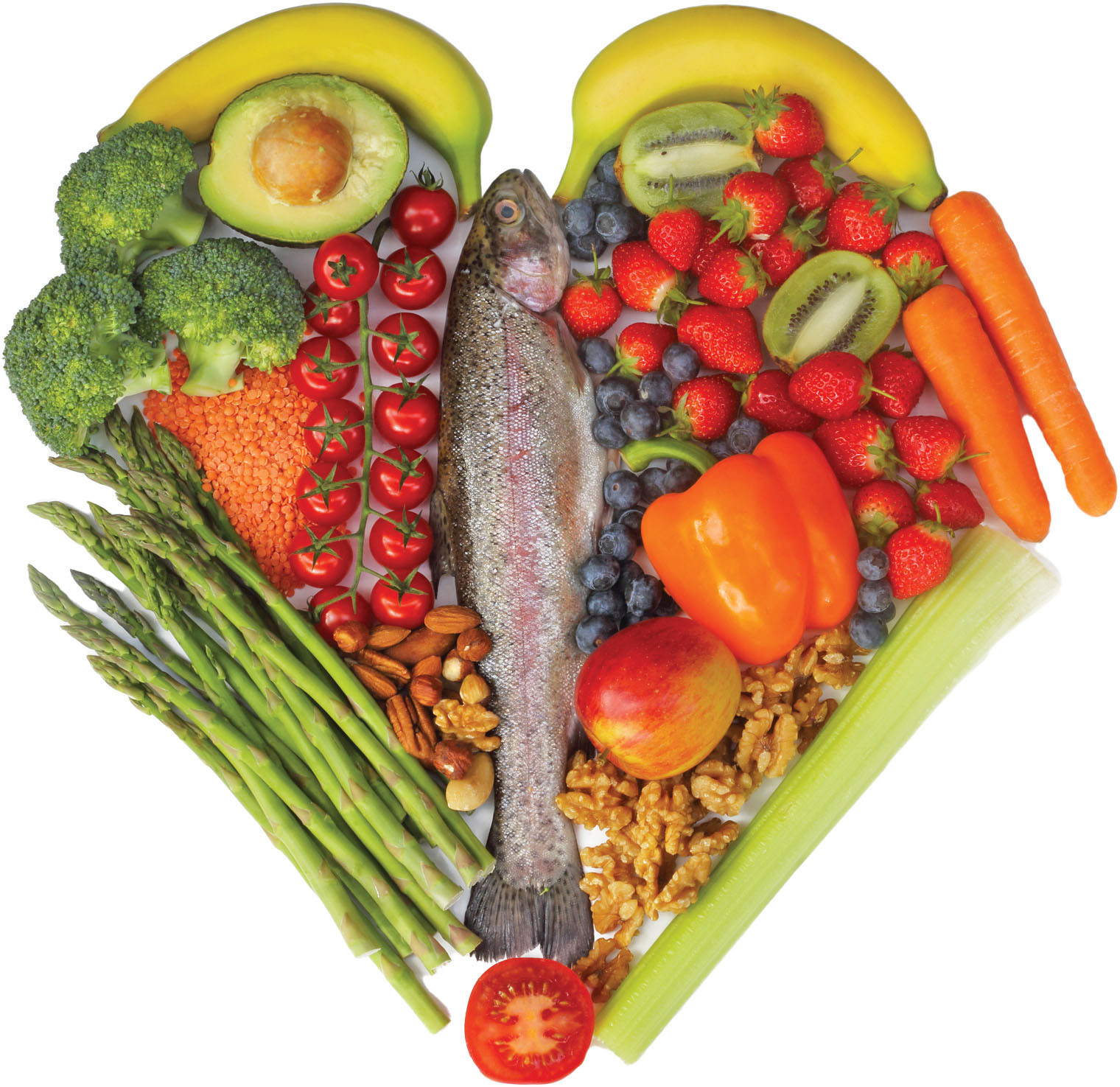
Preventing repeat heart attacks: Mediterranean vs. low-fat diet
For people with heart disease, a Mediterranean diet prevents future heart problems better than a low-fat diet.

Meal of the month: Summer supper on the grill
A backyard barbeque can be a good way for people to include more vegetables in their evening meal. Good choices include whole portabella mushroom caps, asparagus, sweet peppers, onions, and zucchini.
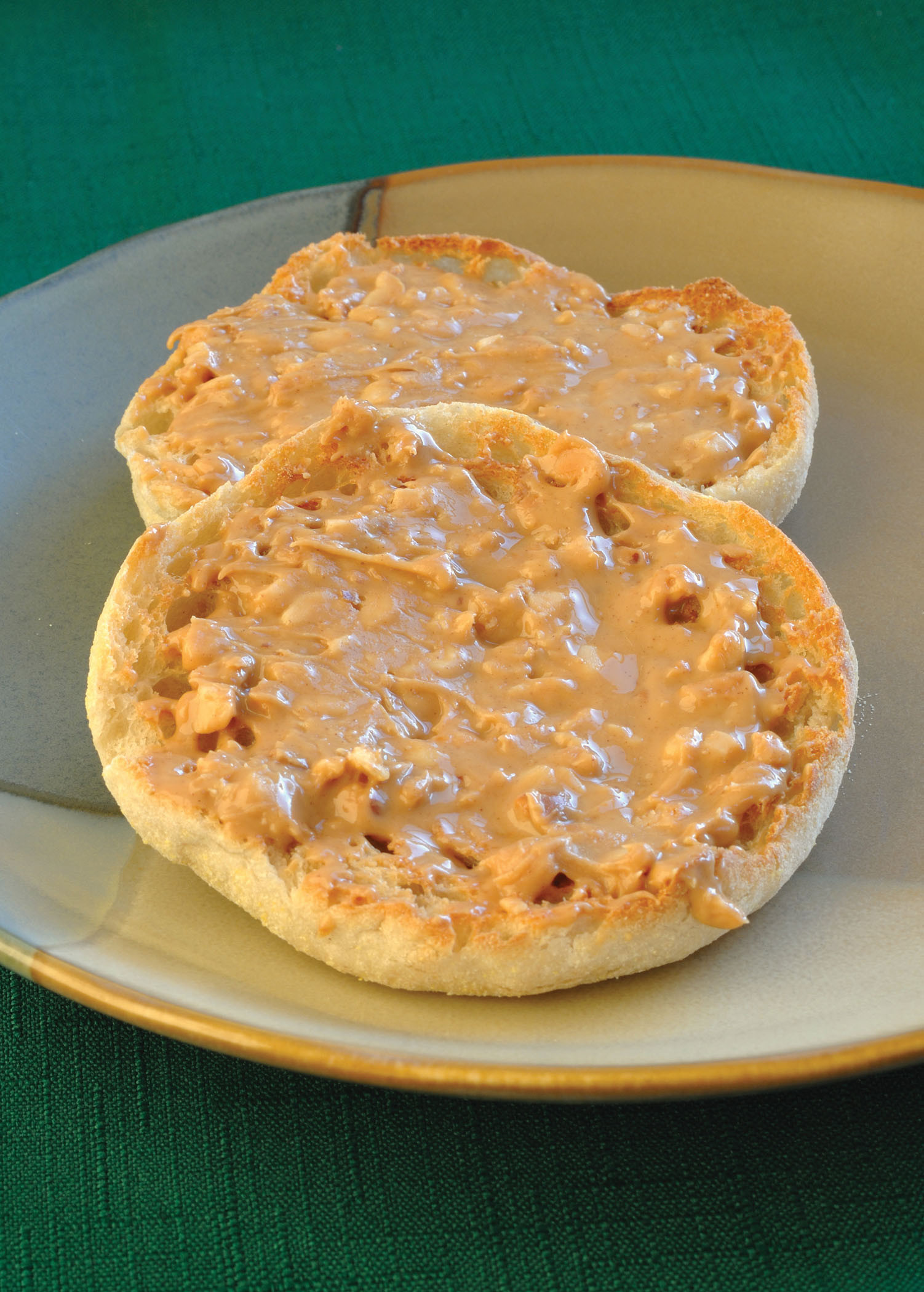
How a fiber-rich diet promotes heart health
Fiber-rich diets may lower the risk of heart attack and stroke, in part by decreasing inflammation. This benefit appears to be facilitated by the breakdown of prebiotic fiber in the gut microbiome to create short-chain fatty acids. These compounds circulate through the bloodstream and interact with specific receptors on cells that quell inflammation. Short-chain fatty acids may also play a role in keeping blood sugar, blood pressure, and cholesterol levels in check, as well as helping to prevent harmful blood clotting.

You don't say? Can your joints wear out?
Joints do not wear out from overuse. Osteoarthritis, the most common type of arthritis, occurs when the smooth cartilage that lines the joint deteriorates. This might occur because of an injury, age, family history, obesity, or a disease that causes joint inflammation.
Naturally gluten-free foods
Harvard study: Healthier fats linked to longer life after prostate cancer diagnosis
Shingrix shingles vaccine linked with lower heart disease risks
Estrogen-only hormone therapy tied to lower dementia risk
Should you have a hysterectomy?
Stair climbing may significantly lower cardiovascular risks
Why do I sweat so much?
Walking pneumonia: The "mild" illness that can still pack a punch
What causes knee pain: How doctors make a diagnosis
Where you carry excess weight matters in predicting heart disease risk
Free Healthbeat Signup
Get the latest in health news delivered to your inbox!
Sign Up
