

Reading the current blood pressure guidelines

Oat vs. dairy milk: Nutrition, benefits, and downsides

Microplastics: A hidden health threat?

Healing after food poisoning

What is tempeh? Benefits, nutrition, and how to use it

Light exposure at night may raise risk for heart disease

Whole grains may improve several heart risk factors at once

A lumbar belt may help ease low back pain

Children of centenarians may stay healthier and live longer too, study finds

Signs of pneumonia: Sometimes vague and unexpected
Physical activity and exercise Archive
Articles

Beer belly
Q. I am a healthy, active 39-year-old guy. I enjoy a beer with dinner most nights, and a six-pack most weekends. Over the past year or two, I've had to let my belt out, and now I'm letting out my pants. So here's my question: is beer really responsible for my "beer belly"?
A. Whether it's called a beer belly, a spare tire, the apple shape, or the middle-age spread, abdominal obesity is the shape of risk. Abdominal obesity is a health hazard, increasing the risk of heart attack, stroke, diabetes, erectile dysfunction, and other woes. Risk begins to mount at a waist size above 37 inches for men, and a measurement above 40 inches would put you in the danger zone. For women, the corresponding waist sizes are 31 and 35 inches, respectively.

By the way, doctor: Ginkgo biloba: What's the verdict?
Q: A friend recently recommended that I take the herb ginkgo biloba to protect against getting dementia. Is it effective, and is it safe?
A: The first thing you should consider is that the FDA doesn't regulate the manufacture of any herbal remedy, so the purity and potency of the ginkgo biloba you buy hasn't been checked.
Why am I losing weight?
Ask the doctor
Image: © bhofack2/Getty Images
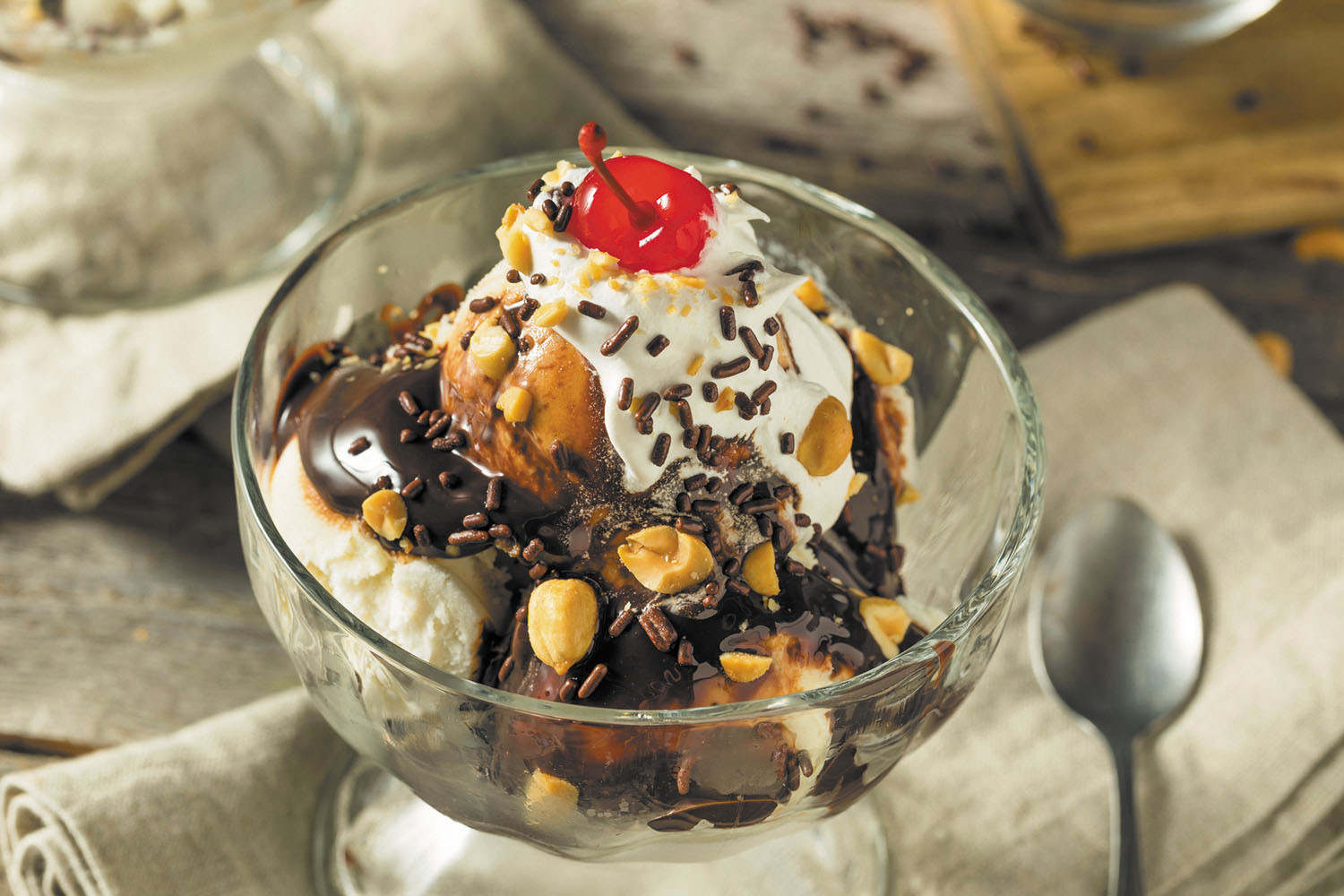
Q. I'm an 87-year-old man. Over the past year I've lost considerable weight, and I didn't have that much to lose. My doctor can't find any reason for my weight loss and is advising me to eat ice cream. But isn't that risky for my heart?
A. I smiled when I read your letter, because I've occasionally said that if I were to develop a terminal condition, the silver lining on that cloud would be that I could finally eat all the hot fudge sundaes I wanted.

7 reasons why you may need a medication check-up
New medications and side effects warrant an evaluation.
Image: © Paul Bradbury/Getty Images
A medication regimen isn't something you can set and forget. You and your doctor need to keep tabs on what you're taking and how it's affecting your health. "We are required to do a medication 'check-up' at every visit, regardless of the specialty, which means that every clinician who sees you is supposed to review your medications and check off a box," says geriatrician Dr. Suzanne Salamon, an assistant professor at Harvard Medical School.
Sometimes things change between visits, and adjustments need to be made. It's up to you to schedule an appointment. Here are seven reasons why that may need to happen.

The surprising side effects from using technology
Repetitive motion and poor posture can lead to aches and pains.
Image: © Johnny Greig/Getty Images
You've mastered the art of texting, emailing, and web surfing on your smartphone and computer. But along with that digital prowess, you've picked up an unexpected side effect.
"We get a number of patients who develop injuries from these activities," says Dr. Tamara Rozental, an orthopedic surgeon who specializes in hand, wrist, and elbow disorders at Harvard-affiliated Beth Israel Deaconess Medical Center.

Can this DNA test help predict your longevity?
Telomeres — made of your DNA — are biomarkers of aging.
Image: © Dr_Microbe/Getty Images
There's no crystal ball in medicine that can predict how fast you're aging or how long you'll live. But the latest trend in private screening tests claims to provide a tantalizing clue. The tests offer a snapshot of the length of your telomeres — the protective caps at the ends of chromosomes in your cells.
"The concept is very attractive. There's this visual idea of something acting like a clock counting down to the end, and that's why it's powerful. The problem is that just because it's appealing it doesn't mean it's true," says Dr. William Hahn, a Harvard Medical School professor and chief research strategy officer at Harvard-affiliated Dana-Farber Cancer Institute.

New guidelines extend your window for a first-line stroke treatment
News briefs
The American Stroke Association has made a major change to its recommendations for a first-line stroke therapy. The group's new guidelines, published online Jan. 24, 2018, by Stroke, say that instead of having just six hours from the onset of stroke symptoms to reach into a blood vessel, grab the clot, and pull it out, doctors now have up to 24 hours to perform the procedure (depending on the circumstances). The new recommendation will be helpful for people who suffer a stroke while sleeping and therefore don't know at what time the symptoms began. A thrombectomy may be combined with the other first-line treatment for stroke caused by a blood clot: a clot-busting drug called tissue plasminogen activator, or tPA. The treatment window to use tPA is just three to four hours, so it's imperative that you call 911 at the first sign of stroke symptoms. Those include the sudden onset of confusion, difficulty talking, weakness or numbness on one side of the body, or difficulty walking.

How does my health compare with President Trump’s?
On call
Image: © donskarpo/Getty Images
Q. I am about the same age as President Trump, and I also had a recent physical. My LDL (bad) cholesterol reading was 136, which my doctor thought was too high. But Mr. Trump's doctor said his LDL cholesterol of 143 was "excellent." Which is it?
A. The report of President Trump's health status brought out many armchair cardiologists — and real cardiologists — to comment on his cholesterol levels and risk for heart disease. The White House doctor's report stated that the president's "heart health" (not his cholesterol) was deemed excellent based on a normal exercise test and heart ultrasound. However, his LDL level of 143 was felt to be too high, and his doctor recommended doubling the president's statin medication. While the president doesn't show evidence of current heart disease, what is his future risk? A 71-year-old man with his cholesterol value would have a 10-year risk of heart attack, stroke, or cardiac death of 16% (about a one-in-six chance).

Want better exercise results in less time? Try interval training to boost your workout
Alternating between high- and low-intensity exercise may spur faster fitness gains.
Image: © SelectStock/Getty Images
Spend less time exercising and burn more calories: sounds too good to be true, right? But it may just be possible with interval training, a type of workout that uses short bursts of strenuous activity to ramp up your heart rate and boost your fitness.
Long popular with high-performance athletes, interval training — a workout that alternates between high-intensity and low-intensity activity — isn't just reserved for those seeking gold medals. "If done properly, it can be safe for the vast majority of people," says Dr. Meagan Wasfy, an instructor in medicine at Harvard Medical School and a cardiologist at Massachusetts General Hospital.
Do I get a better workout by running outdoors or on the treadmill?
Ask the doctors
Q. I often run on a treadmill rather than running outdoors, to avoid bad weather and save time. But am I getting a lower-quality workout?
A. Die-hard runners sometimes swear by outdoor runs, claiming that the treadmill can't come close to an outdoor workout featuring wind, hills, and uneven terrain, which they say makes outdoor runs more challenging. But that doesn't mean you can't get the same quality of workout on a treadmill indoors. If you run slower on the road and faster on the treadmill, or if you put the treadmill on an incline, you may be able to burn as many calories indoors as out. One study in the Journal of Sports Sciences found that putting the treadmill on a 1% incline could erase the differences in resistance between indoor and outdoor running. This put the two workouts on an equal footing — so to speak.
Reading the current blood pressure guidelines
Oat vs. dairy milk: Nutrition, benefits, and downsides
Microplastics: A hidden health threat?
Healing after food poisoning
What is tempeh? Benefits, nutrition, and how to use it
Light exposure at night may raise risk for heart disease
Whole grains may improve several heart risk factors at once
A lumbar belt may help ease low back pain
Children of centenarians may stay healthier and live longer too, study finds
Signs of pneumonia: Sometimes vague and unexpected
Free Healthbeat Signup
Get the latest in health news delivered to your inbox!
Sign Up
