

Even a little exercise linked with lower stroke risk in people with afib

Testosterone therapy without evidence of deficiency may boost heart risk

Weight-loss drug may lower risk of heart attacks and infections

What to eat on the DASH diet

Migraine: How it's diagnosed and what that means

Tricep workouts you can do at home

Mindfulness practices to reduce stress and improve focus

Antihistamines may not offer meaningful relief from eczema symptoms

Overweight and taking blood pressure medications: Study finds it's a trend that's working

FDA approves first mRNA-based flu vaccine
Physical activity and exercise Archive
Articles

The heartfelt benefits of pet ownership
Having a dog or another pet appears to lower the risk of high blood pressure and improve blood pressure control. Pet ownership may foster positive feelings (such as decreased stress) and habits (such as daily walks) that may improve heart health. People who own dogs walk about 20 minutes more per day on average than those without dogs. Pets can help combat loneliness and social isolation, which have been linked to a higher risk of heart attack, stroke, or death from these causes.

Want to stay healthy over the holidays?
Another holiday season is here, and this year we need to contend with other viruses besides COVID-19. Three Harvard experts share their thoughts on the best ways to keep ourselves and our family members healthy as we celebrate holidays together.

When replenishing fluids, does milk beat water?
An ad campaign sponsored by the milk industry claims that milk is better than water for hydration. A few studies appear to support the claim, but they involved a small number of subjects and have important limitations.

Respiratory health harms often follow flooding: Taking these steps can help
Flooding due to major storms or heavy rains can harm lung health, both from toxic contaminants that end up in the air and from the growth of mold caused by dampness. Taking steps to prevent flooding when possible and moving quickly to reduce health risks if flooding occurs can help protect your family's health.

Does your health monitor have device bias?
The accuracy of health monitoring devices available to consumers varies, and in some instances skin tone may make a difference –– a problem called device bias. Yet proper function of such devices can have significant implications for the health of those using them.

Busier equals better for physical activity levels
A 2022 study found that older adults who visited more places each day, such as when shopping or doing errands, logged higher step counts. The results suggest the number of places we visit daily may contribute to healthier habits, researchers said.
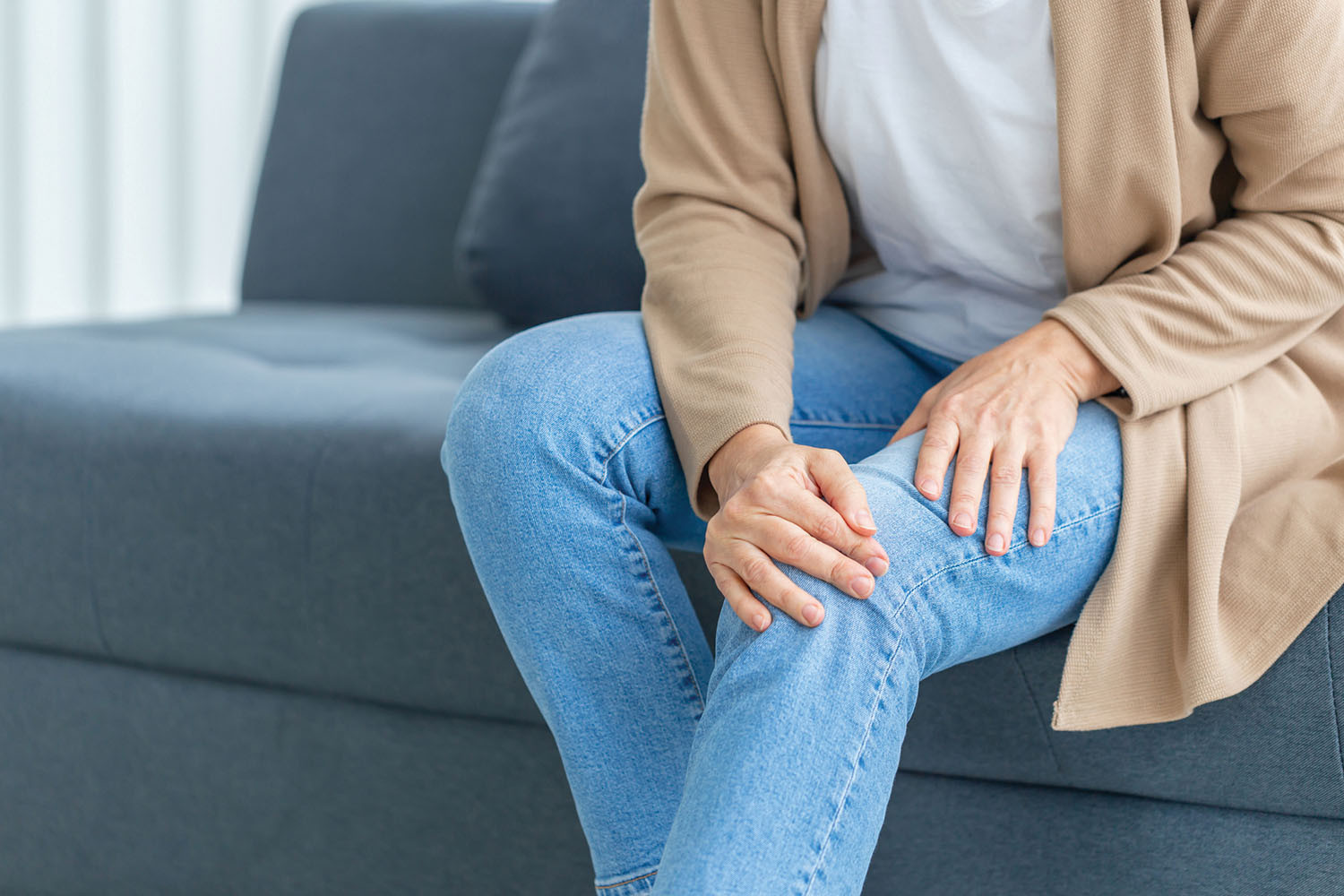
What triggers weather-related joint pain?
Many people say they feel joint pain that arrives with cold or damp weather. While research hasn't confirmed why, changes in barometric pressure can place pressure on joints that may lead to aches.

Rethinking cardio exercise
Standard guidelines recommend at least 150 minutes per week of moderate-intensity aerobic exercise. But many older adults have trouble reaching this mark, as they either don't enjoy aerobic workouts or have physical or medical issues that make traditional cardio exercise a challenge. Breaking down the weekly requirements into smaller daily segments and trying a variety of activities that can qualify as moderate intensity can help people meet their exercise needs.

You don't say? A matter of taste
After age 50, the number of taste buds begins to decline, so it's natural for people to notice some changes in their sense of taste. But other conditions also can affect taste, such as nasal issues, certain medications, and conditions like dry mouth and acid reflux.

Can taking enzyme supplements help soothe my bloating?
Digestive enzyme supplements are promoted to fix problems like bloating, gas, and bowel irregularity. However, for most people, there's little evidence that they help. Doctors may prescribe enzyme pills for people who can't make enough digestive enzymes because of a health condition.
Even a little exercise linked with lower stroke risk in people with afib
Testosterone therapy without evidence of deficiency may boost heart risk
Weight-loss drug may lower risk of heart attacks and infections
What to eat on the DASH diet
Migraine: How it's diagnosed and what that means
Tricep workouts you can do at home
Mindfulness practices to reduce stress and improve focus
Antihistamines may not offer meaningful relief from eczema symptoms
Overweight and taking blood pressure medications: Study finds it's a trend that's working
FDA approves first mRNA-based flu vaccine
Free Healthbeat Signup
Get the latest in health news delivered to your inbox!
Sign Up
