

Even a little exercise linked with lower stroke risk in people with afib

Testosterone therapy without evidence of deficiency may boost heart risk

Weight-loss drug may lower risk of heart attacks and infections

What to eat on the DASH diet

Migraine: How it's diagnosed and what that means

Tricep workouts you can do at home

Mindfulness practices to reduce stress and improve focus

Antihistamines may not offer meaningful relief from eczema symptoms

Overweight and taking blood pressure medications: Study finds it's a trend that's working

FDA approves first mRNA-based flu vaccine
Peripheral artery disease Archive
Articles

Stand up for your heart
A 2025 study found that people who are sedentary for 10.6 hours per day or more may face a higher risk of heart failure or dying from heart disease-even if they follow recommended exercise guidelines. Uninterrupted sitting has harmful effects on metabolism, leading the body to burn fewer calories and less fat. It can also cause blood sugar levels to rise, triggering the release of insulin, the hormone that regulates blood sugar. Over time, sedentary habits cause the body to become less sensitive to insulin. The resulting insulin resistance promotes inflammation, a key player in the buildup of fatty plaque inside arteries.
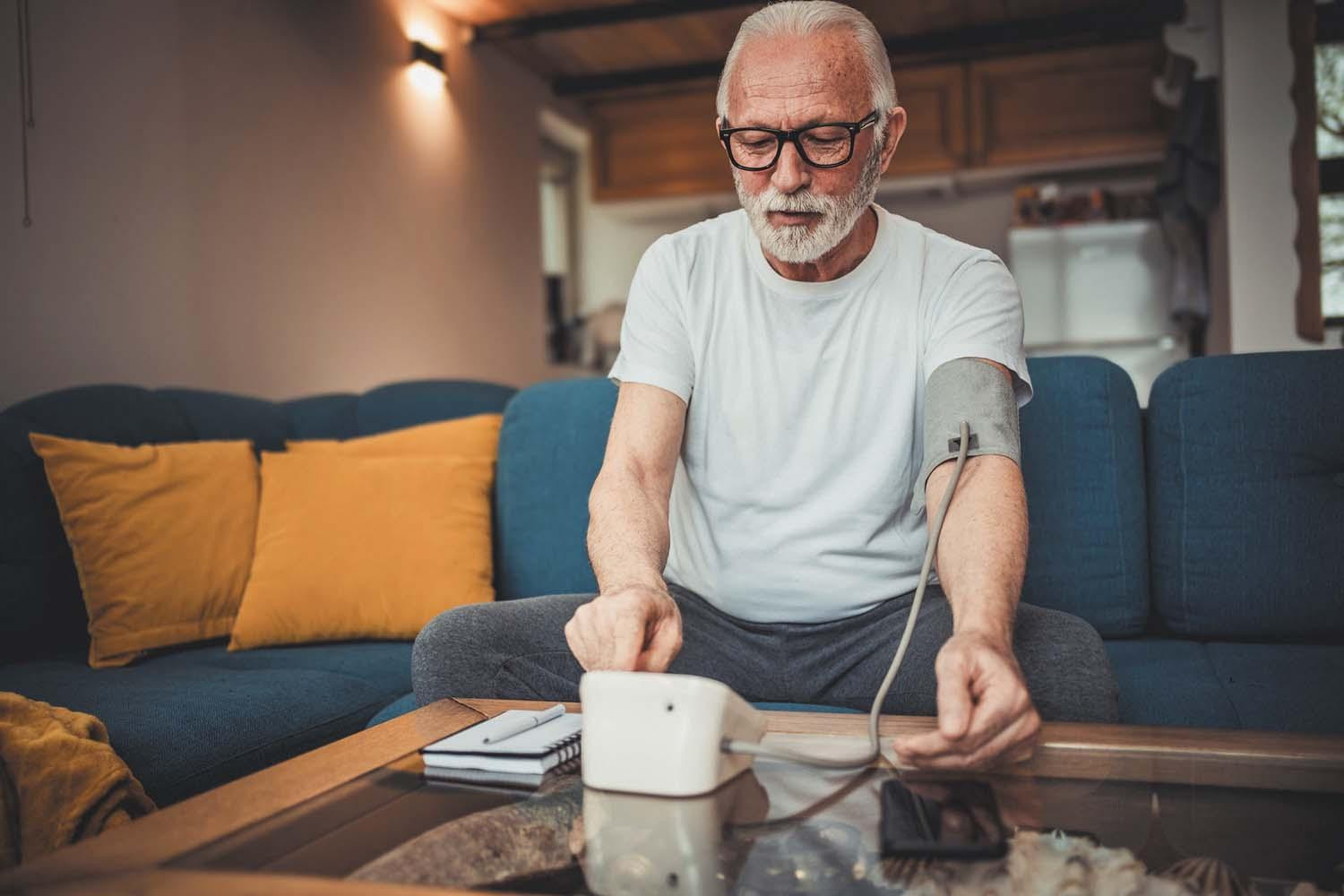
Take back your blood pressure control!
When blood pressure remains high despite treatment, making certain lifestyle changes can help. Examples include reducing dietary sodium and increasing dietary potassium, losing weight, limiting alcohol intake to no more than one drink per day, exercising (doing aerobics and strength training), using tools that improve medication adherence (such as an automatic pill dispenser, a medication diary, a smartphone alarm, or a reminder app), quitting smoking, getting more sleep, managing stress, and reducing caffeine intake.

A faster, safer treatment for a common heart rhythm disorder?
Since its introduction in 1998, catheter ablation for atrial fibrillation has greatly improved, thanks to advances in the instruments, imaging techniques, and energy sources used during the procedure. The resulting increases in safety and effectiveness have transformed ablation into a routine procedure. For many people newly diagnosed with this heart rhythm disorder, ablation is now the first treatment offered.

Cold plunges: Healthy or harmful for your heart?
The purported health benefits of cold plunges include less stress, better sleep, and enhanced immunity, but the evidence is thin. While the practice may ease muscle soreness after intense exercise, it may have detrimental effects on gains in muscle power and strength. Because the shock of cold water on the skin can raise heart rate and blood pressure, people with cardiovascular disease (especially heart rhythm abnormalities) should avoid the practice.

Smart watch alerts about heart health
Smart watches can monitor different parameters simply by measuring a person's pulse and body movements. Potentially helpful features include those to detect very low or high heart rates, irregular heart rhythms, and breathing disruptions during sleep.

Break out of your breakfast rut
Heart-friendly breakfast ideas include a mix of foods that provide protein, fiber, and unsaturated fat, which can help stave off hunger until lunchtime. Examples include eggs cooked with vegetables, Greek yogurt with berries and nuts, or oatmeal cooked with milk and topped with fruit. Other quick options are a slice of whole-grain toast spread with mashed avocado and cherry tomatoes, almond butter and sliced apple, or ricotta cheese and sliced kiwi.

Replacing sitting with standing and walking improves cholesterol
A 2025 study found that in people who are overweight or obese, substituting standing and light walking in place of sitting may help improve blood levels of certain types of fats, including triglycerides and small, dense LDL cholesterol particles.

Stopping anti-clotting drugs for afib may raise stroke risk
Older people with atrial fibrillation are sometimes advised to stop taking clot-prevention drugs due to fears about bleeding. But a 2025 study suggests that the risk of stroke and heart attack from stopping the drugs outweighs the risk of bleeding.

Telehealth may help maintain healthy blood pressure
Telehealth visits combined with home monitoring may be an effective way to help people reach and maintain their blood pressure goals, according to a 2025 study.

A faster, more accurate way to diagnose heart disease?
Coronary computed tomography angiography (CCTA) creates a 3D image of the heart and its blood vessels, revealing both obstructive and nonobstructive plaque. Most heart attacks occur when smaller, nonobstructive plaques rupture and form a clot that triggers a heart attack. Used to assess people with stable angina, CCTA may prevent heart attacks by improving how cardiologists find and treat heart disease.
Even a little exercise linked with lower stroke risk in people with afib
Testosterone therapy without evidence of deficiency may boost heart risk
Weight-loss drug may lower risk of heart attacks and infections
What to eat on the DASH diet
Migraine: How it's diagnosed and what that means
Tricep workouts you can do at home
Mindfulness practices to reduce stress and improve focus
Antihistamines may not offer meaningful relief from eczema symptoms
Overweight and taking blood pressure medications: Study finds it's a trend that's working
FDA approves first mRNA-based flu vaccine
Free Healthbeat Signup
Get the latest in health news delivered to your inbox!
Sign Up
