

Even a little exercise linked with lower stroke risk in people with afib

Testosterone therapy without evidence of deficiency may boost heart risk

Weight-loss drug may lower risk of heart attacks and infections

What to eat on the DASH diet

Migraine: How it's diagnosed and what that means

Tricep workouts you can do at home

Mindfulness practices to reduce stress and improve focus

Antihistamines may not offer meaningful relief from eczema symptoms

Overweight and taking blood pressure medications: Study finds it's a trend that's working

FDA approves first mRNA-based flu vaccine
Peripheral artery disease Archive
Articles
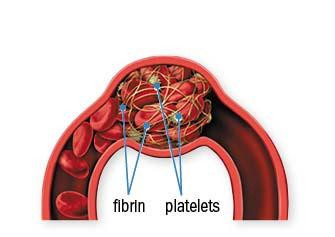
What's new in blood clot prevention?
If a blood clot lodges in an artery or vein, it can choke off blood flow to the heart, brain, or lung. Often called blood thinners, anti-clotting drugs play a big role in treating heart disease. But they can cause minor (and sometimes serious) bleeding, ranging from nosebleeds to bleeding inside the brain. New solutions to balance clot prevention and excess bleeding are in the works, including low-dose drug combinations and new medications.
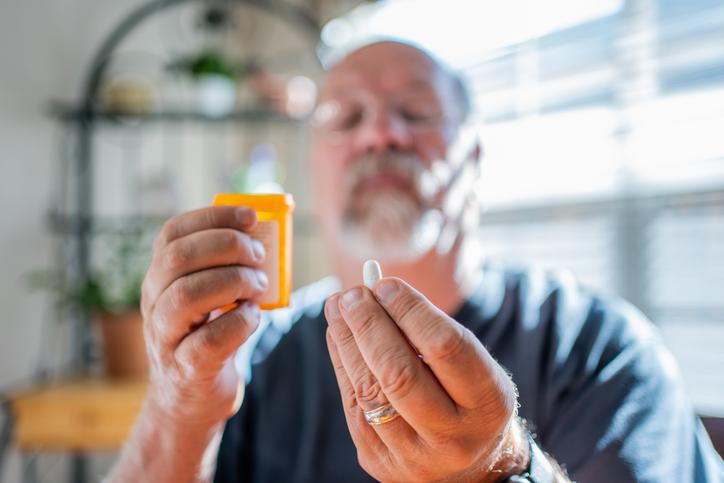
New drug shows promise for stubbornly high blood pressure
A 2025 suggests that an experimental drug called lorundrostat may be an effective add-on therapy for high blood pressure that has not responded to medication. The drug works by reducing aldosterone, a hormone that helps regulate blood pressure.
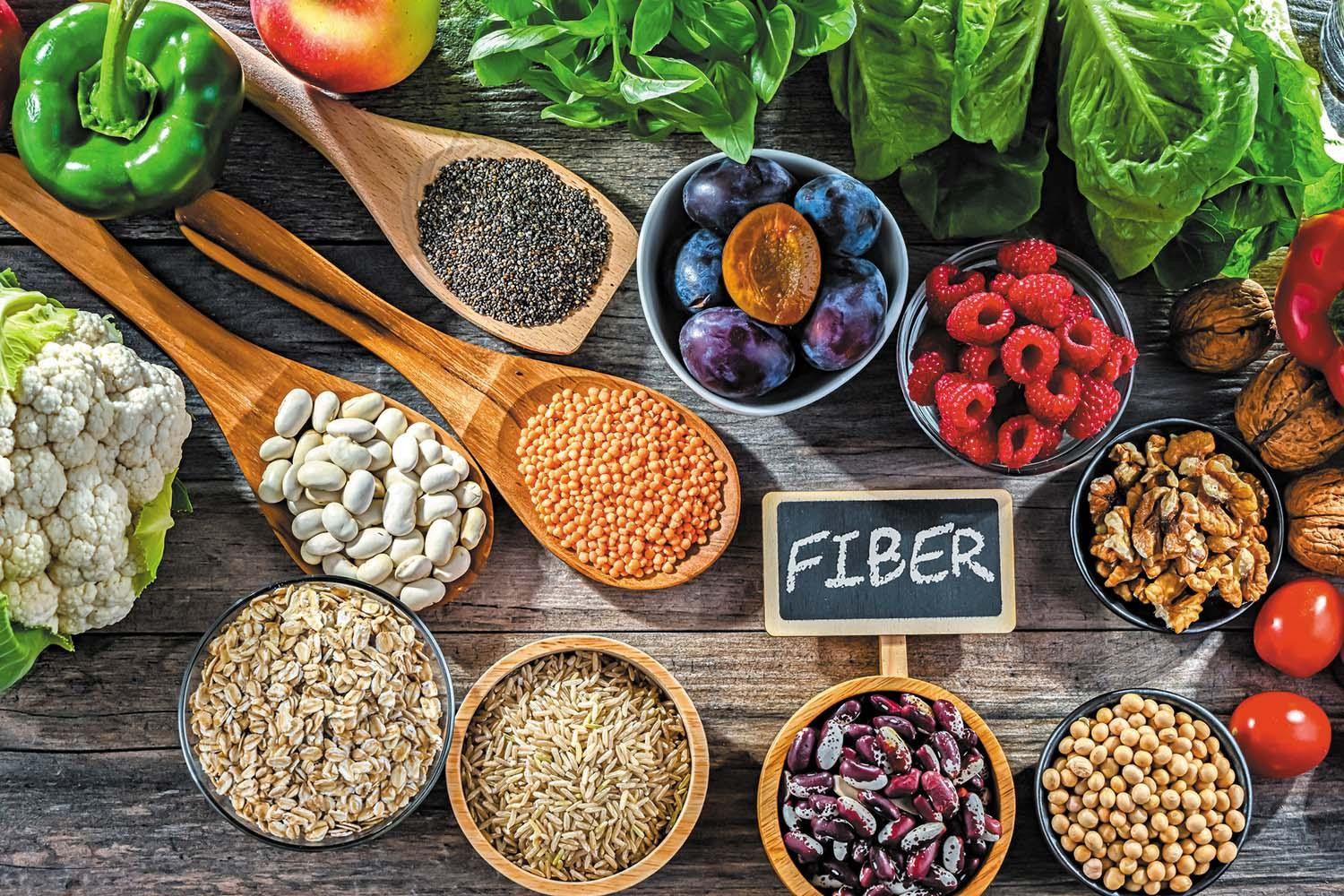
Fiber-rich diets may lower the risk of stroke
People whose average daily diets included at least 18 grams of fiber were less likely to have a stroke than those who ate less fiber, according a 2025 study.

Brisk walking linked to a lower risk of abnormal heart rhythms
A 2025 study found that people who walk at an average or brisk pace (3 or more miles per hour) were less likely to develop abnormal heart rhythms than people who walk more slowly.
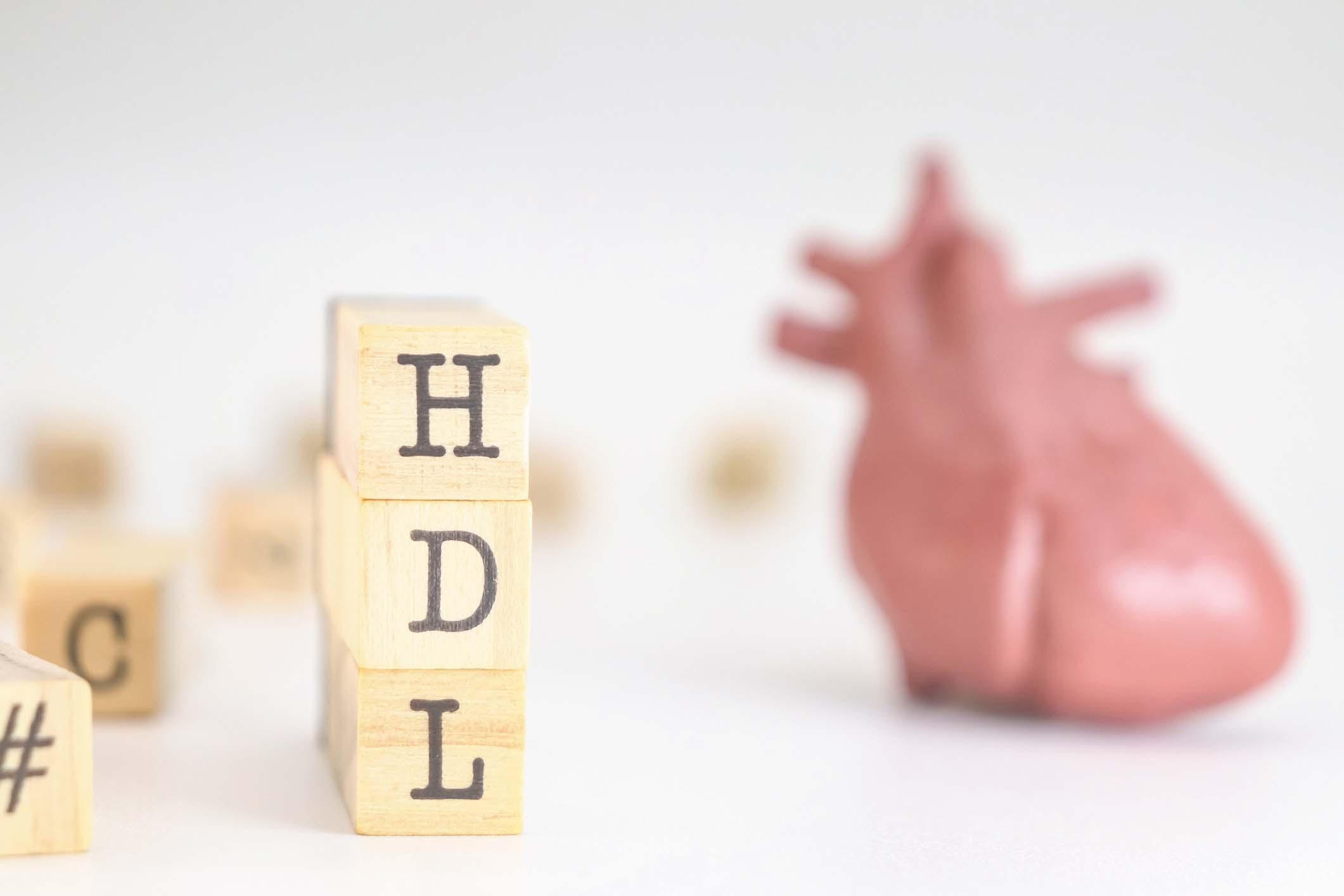
The complex story of HDL cholesterol
Lowering high levels of low-density lipoprotein (LDL), or "bad" cholesterol, is important for preventing and treating heart disease. The other cholesterol-high-density lipoprotein (HDL)-is often called "good" cholesterol, but this may be misleading. While some HDL particles gather excess cholesterol from the bloodstream and artery walls and deliver it to the liver where it's excreted, other particles are not good at this job, and some can even increase levels. People should focus on their LDL and not focus as much on HDL unless it's very low or very high.
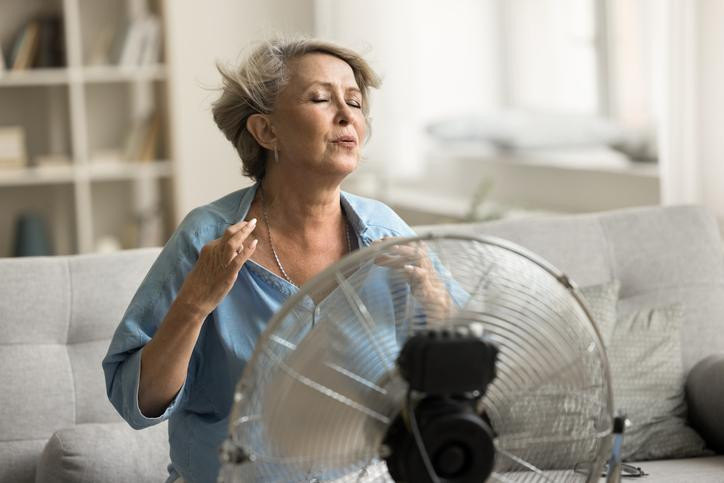
Extreme heat endangers older adults: What to know and do
The surge in heat waves and extreme heat poses serious health risks for everyone but is a particular worry for older adults. What can you do to manage heat-related risks, especially if you have existing health conditions or take certain medications?

Cannabis and heart concerns: A closer look
Cannabis use is rising among older adults, who mostly use cannabis edibles such as gummies for relaxation and sleep. While smoking cannabis may raise heart attack risk, the cardiac effects of consuming cannabis in food or drinks are less well understood. Taking too much cannabis can lead to a panic attack, which can cause a pounding heart or palpitations. People who use cannabis should take it only as needed to relieve symptoms, using the lowest possible dose.

My calcium score is over 2,000. What's next?
People with very high calcium scores (over 1,000) have a risk of heart attack or stroke similar to those who have already had a heart attack. They should take cholesterol-lowering drugs to bring down LDL levels and possibly undergo additional testing.

Chronic stress may raise women's stroke risk
A 2025 study found that chronic stress is associated with higher stroke risks among women under 50, but not in men.

Heart-healthy dinner ideas from Harvard doctors
A healthy diet is a proven and powerful way to lower your risk of heart disease. Since dinner is often the main meal of the day, it's a good time to feature foods that support cardiovascular health. Four Harvard physicians share their favorite healthy dinners, which focus on lean protein (such as tofu, fish, and chicken) and a variety of vegetables.
Even a little exercise linked with lower stroke risk in people with afib
Testosterone therapy without evidence of deficiency may boost heart risk
Weight-loss drug may lower risk of heart attacks and infections
What to eat on the DASH diet
Migraine: How it's diagnosed and what that means
Tricep workouts you can do at home
Mindfulness practices to reduce stress and improve focus
Antihistamines may not offer meaningful relief from eczema symptoms
Overweight and taking blood pressure medications: Study finds it's a trend that's working
FDA approves first mRNA-based flu vaccine
Free Healthbeat Signup
Get the latest in health news delivered to your inbox!
Sign Up
