

Even a little exercise linked with lower stroke risk in people with afib

Testosterone therapy without evidence of deficiency may boost heart risk

Weight-loss drug may lower risk of heart attacks and infections

What to eat on the DASH diet

Migraine: How it's diagnosed and what that means

Tricep workouts you can do at home

Mindfulness practices to reduce stress and improve focus

Antihistamines may not offer meaningful relief from eczema symptoms

Overweight and taking blood pressure medications: Study finds it's a trend that's working

FDA approves first mRNA-based flu vaccine
Peripheral artery disease Archive
Articles

Easy ways to fit heart-healthy avocados into your meals
Avocados have a mix of fiber, healthy fat, antioxidants, and key minerals that support heart health. But avocados aren't low-calorie foods. They're best added to the diet by swapping them for something else, such as subbing mashed avocado for butter on toast.
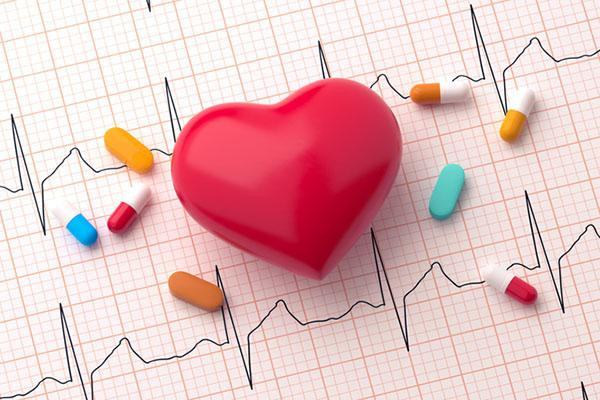
When and why you need drugs for atrial fibrillation
Many people with atrial fibrillation - a rapid, irregular heart rhythm - need medications to control symptoms and lower their risk of stroke. These include drugs that slow down the heart, help restore its rhythm, and prevent blood clots.
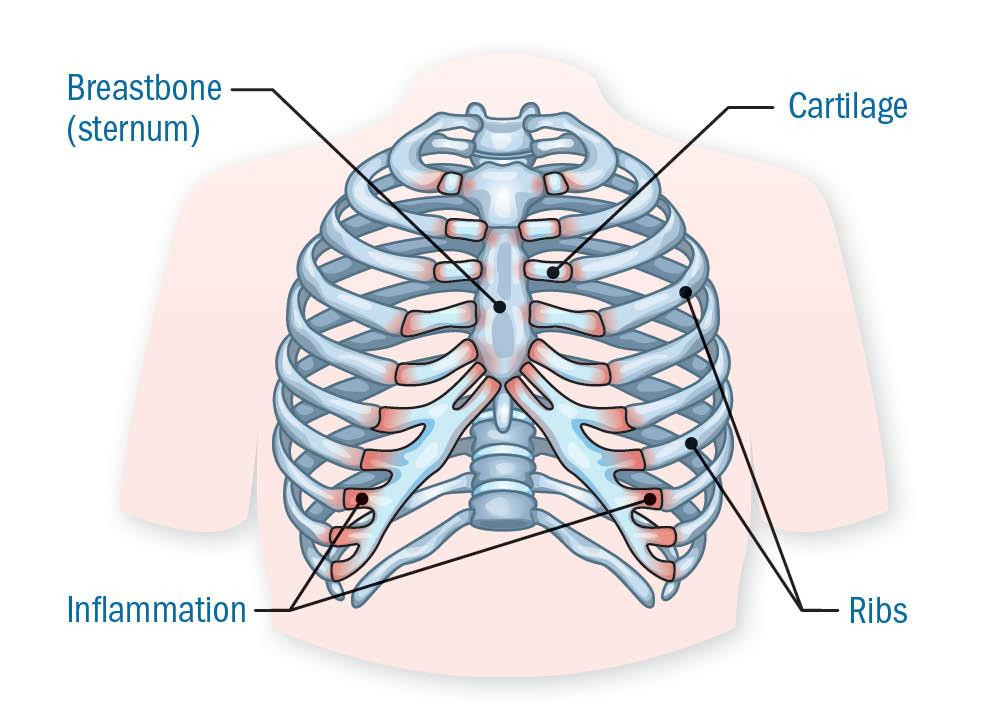
Chest pain that mimics a heart attack
Costochondritis, which is inflammation of the cartilage between the ribs and the breastbone, is one of the most common causes of chest pain and is frequently mistaken for a heart attack.
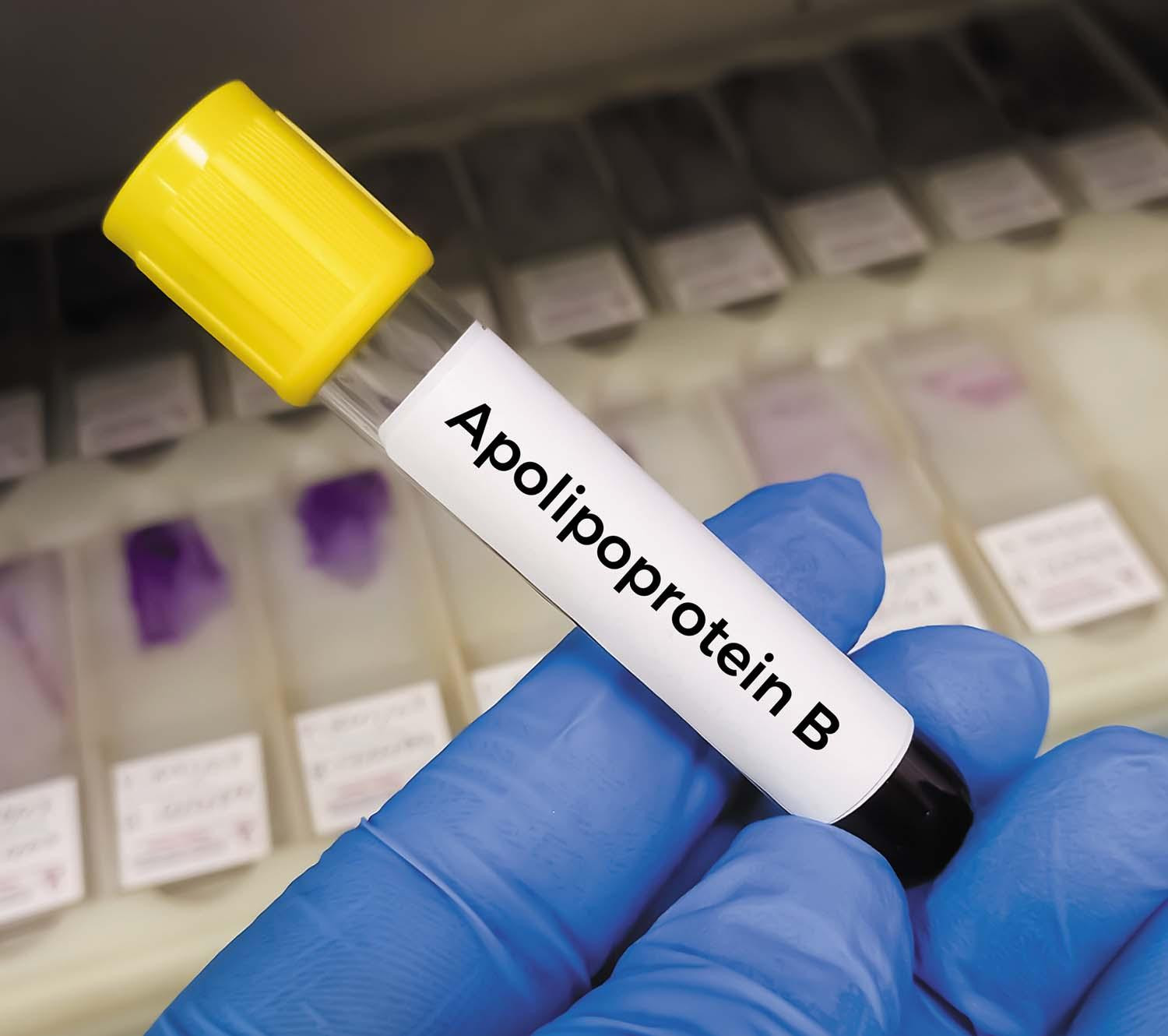
Is an apoB test a better way to check your cholesterol?
ApoB is a protein that attaches to harmful fat particles in the blood to form lipoproteins, including low-density lipoprotein (LDL). An apolipoprotein B (apoB) test counts the number of LDL particles in the bloodstream as well as other particles that can contribute to clogged arteries and heart attacks.

A fresh approach to cardio exercises
There are many ways people can meet the guidelines for weekly activity besides running and walking. They can do activities like boxing, swimming, cycling, basketball, dancing, and pickleball; circuit training using gym machines; and exercising at home.

New thinking about plaque in arteries that feed the brain
Carotid artery stenosis, which happens when fatty plaque accumulates in neck arteries that supply the brain, leaves people vulnerable to a stroke. Intensive drug therapy may forestall the need for invasive procedures to treat this problem.


Daily cup of coffee may prevent afib recurrence
People with atrial fibrillation (afib) who drank an average of one cup of caffeinated coffee daily had a lower risk of recurrent afib compared to those who avoided caffeine, according to a 2025 study.
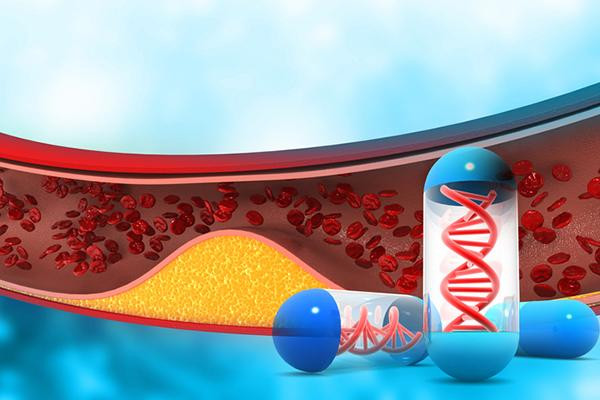
Gene-editing therapy lowers harmful blood fats in early study
A one-time infusion of a gene-editing therapy called CTX310 may safely lower cholesterol and triglyceride levels, according to a small preliminary trial. The first-in-human study, published in 2025, included 15 people with uncontrolled LDL cholesterol, triglycerides, or both.
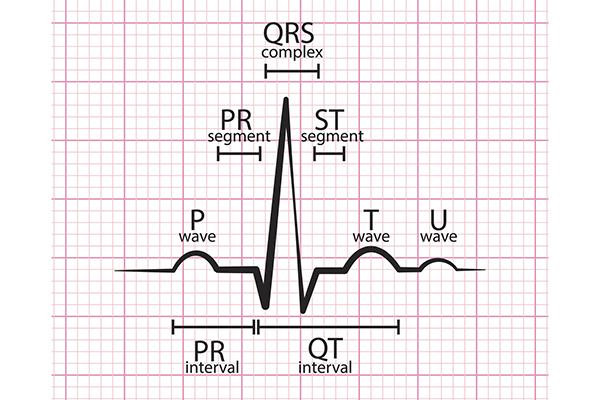
What is long QT syndrome?
Long QT syndrome is a disorder of the heart’s electrical system that can be either acquired (for example, due to a medication) or congenital. Although usually people have no symptoms, it can cause a fast, erratic heartbeat that may lead to shortness of breath, fainting, and sometimes death.
Even a little exercise linked with lower stroke risk in people with afib
Testosterone therapy without evidence of deficiency may boost heart risk
Weight-loss drug may lower risk of heart attacks and infections
What to eat on the DASH diet
Migraine: How it's diagnosed and what that means
Tricep workouts you can do at home
Mindfulness practices to reduce stress and improve focus
Antihistamines may not offer meaningful relief from eczema symptoms
Overweight and taking blood pressure medications: Study finds it's a trend that's working
FDA approves first mRNA-based flu vaccine
Free Healthbeat Signup
Get the latest in health news delivered to your inbox!
Sign Up
