

Even a little exercise linked with lower stroke risk in people with afib

Testosterone therapy without evidence of deficiency may boost heart risk

Weight-loss drug may lower risk of heart attacks and infections

What to eat on the DASH diet

Migraine: How it's diagnosed and what that means

Tricep workouts you can do at home

Mindfulness practices to reduce stress and improve focus

Antihistamines may not offer meaningful relief from eczema symptoms

Overweight and taking blood pressure medications: Study finds it's a trend that's working

FDA approves first mRNA-based flu vaccine
Mobility, safety, and fall prevention Archive
Articles

Mind the holiday buffet
Avoid eating foods that have been left out for more than two hours. They may be breeding grounds for harmful bacteria that can make you sick. |
Avoid food that's been left out on a table for more than two hours, and handle food properly if you're doing the cooking.

Spicy foods associated with longer life, Harvard researchers find
Image:Thinkstock |
There's no magic pill you can swallow to make you live longer, but what about food? A study from the Harvard School of Public Health published Aug. 4, 2015, in BMJ found that people who ate spicy foods almost every day had a 14% lower risk of death than people who ate spicy foods once a week. Researchers evaluated the health and diet information of almost 500,000 people in China from 2004 to 2008, then followed up with them a few years later. The study was observational, so it didn't show that spicy foods caused people to live longer, only that people who regularly ate spicy food—especially food with fresh and dried chili peppers—were less likely to have died during the study period than those who ate spicy food less frequently. "Some evidence from other studies suggests the bioactive ingredients in spicy foods such as capsaicin may lower 'bad' cholesterol and triglycerides and improve inflammation," says study author Dr. Lu Qi.
If you'd like to add more chili pepper to your diet, stick with something healthy, such as turkey chili or lentil pilaf, and skip the greasy tacos. But be careful: spicy foods may trigger an increase in gastric acid in some people, causing heartburn.


Improve your health by starting with one simple change
Increase your fruit and vegetable intake by sneaking a few servings into omelets, snacks, and sandwiches. You can also add a side salad at lunch or dinner. Image: Bigstock |
Resolving to try something for a week, such as walking or eating more vegetables, may soon turn into a lifestyle change you can sustain.
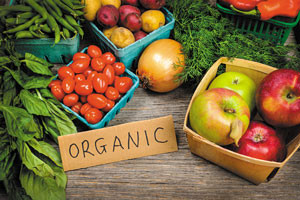
Should you go organic?
Organic produce may have fewer pesticide residues than conventionally grown produce. But the amounts for both are within the levels for safe consumption. Image: Thinkstock |
These foods are grown without fertilizers, pesticides, and other synthetic additives. But are they better for you?
Walk through any grocery store today, and you'll likely see more shelf space devoted to organics—foods that are grown without most synthetic fertilizers and pesticides, and animal products that are free of antibiotics and hormones. Demand for organic food is up, with sales reaching $35.9 billion in 2014. "I think people believe these foods are better for them, but we really don't know that they are," says registered dietitian Kathy McManus, director of the Department of Nutrition at Harvard-affiliated Brigham and Women's Hospital.

Tips for evaluating hospitals
Hospital rankings from magazines and websites base their evaluations on performance measures such as patient safety, survival, technology, and readmission rates. Image: Thinkstock |
Your doctor will make the call, but you can stay informed about the hospital you're admitted to through patient reviews, independent rankings, and satisfaction surveys.

Savor the gifts of the aging mind
| Images: Thinkstock |
With aging, the body and mind change—but it's not all bad.
Aging brings physical changes and a greater risk of health problems—no one needs to tell you that. The mind changes too, and we grumble about things like increased forgetfulness. But the aging mind bestows some gifts, too.

Having a dog can help your heart — literally
Dog lovers know how much warmth and comfort their canine companions add to their lives. But they might not know that a growing body of evidence suggests that having a dog may help improve heart health.
Pet ownership, especially having a dog, is probably associated with a decreased risk of cardiovascular disease. This does not mean that there is a clear cause and effect relationship between the two. But it does mean that pet ownership can be a reasonable part of an overall strategy to lower the risk of heart disease.
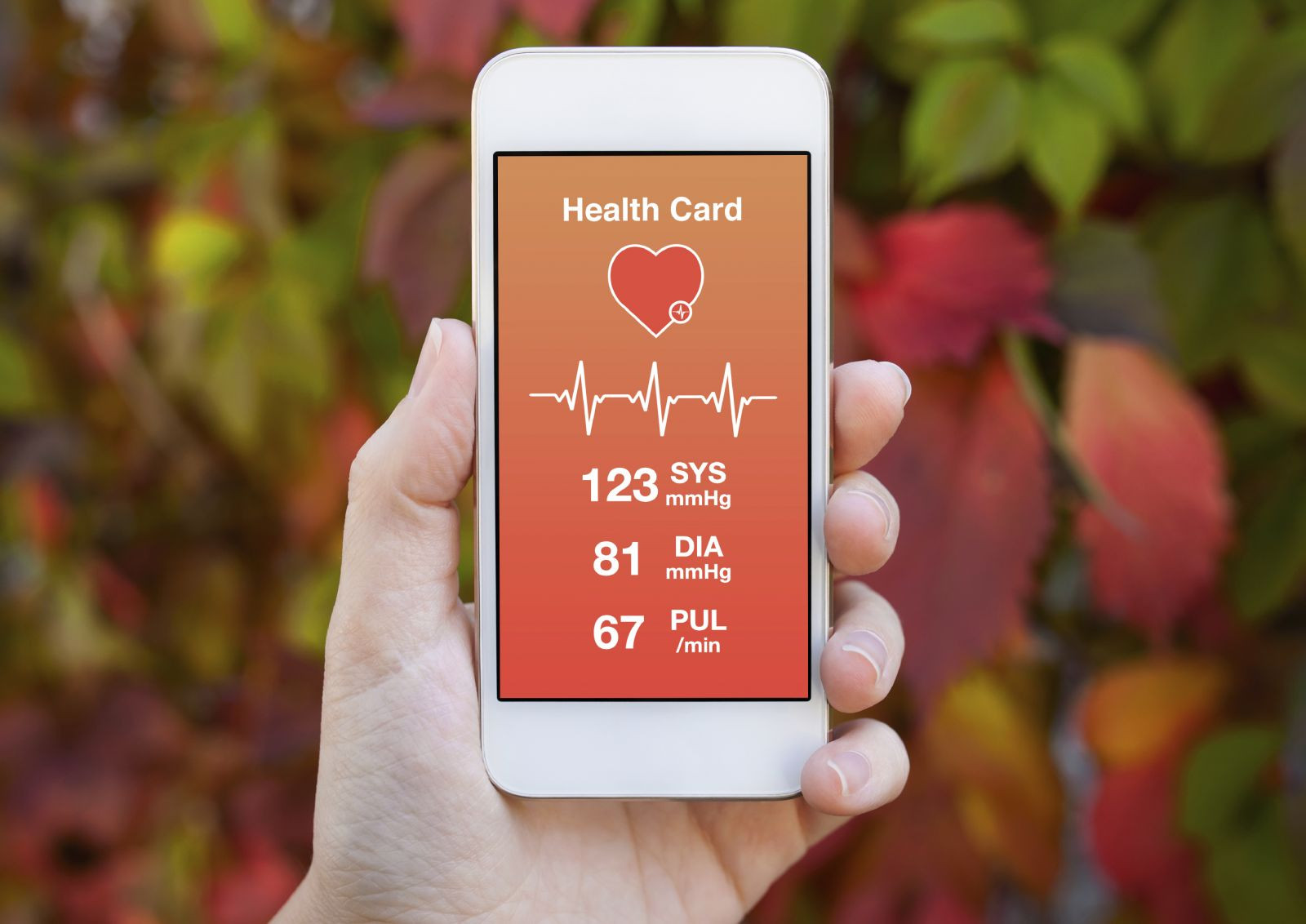
Must-have high-tech tools for caregivers
|
When you are caring for someone who is ill, elderly, or disabled, it's important to consider how you'll handle those times when you can't be with your loved one in person. Thankfully, today's technology offers options that can help you keep track of your loved one's safety and well-being.
Most people are familiar with the emergency response system known as Lifeline. Experts call devices and systems like Lifeline "telecare." But there's much more to telecare than emergency assistance. Today, there are a multitude of telecare devices that can help you stay informed of your loved one's activities and needs in real time.

5 ways to care for yourself while caring for a loved one
Image: iStock |
Caring for an aging parent or a loved one who is ill or disabled is often deeply rewarding. But it can also consume a lot of time, as well as physical and emotional energy. You may feel overwhelmed by myriad responsibilities — home, work, other family needs, and caregiving. But it's just as important to care for yourself before you burn out. Try our five tips below to help rejuvenate yourself.
1. Recruit help: You don't have to "do it all" yourself. In fact, it's best to have more than one person involved in caregiving. Whether it's accompanying your loved one to appointments, helping with housework, or cooking dinner one night a week, ask other family members to lend a hand. And if someone asks if he or she can pitch in, don't be afraid to say yes!
Even a little exercise linked with lower stroke risk in people with afib
Testosterone therapy without evidence of deficiency may boost heart risk
Weight-loss drug may lower risk of heart attacks and infections
What to eat on the DASH diet
Migraine: How it's diagnosed and what that means
Tricep workouts you can do at home
Mindfulness practices to reduce stress and improve focus
Antihistamines may not offer meaningful relief from eczema symptoms
Overweight and taking blood pressure medications: Study finds it's a trend that's working
FDA approves first mRNA-based flu vaccine
Free Healthbeat Signup
Get the latest in health news delivered to your inbox!
Sign Up
