

Harvard study: Healthier fats linked to longer life after prostate cancer diagnosis

Shingrix shingles vaccine linked with lower heart disease risks

Estrogen-only hormone therapy tied to lower dementia risk
Should you have a hysterectomy?

Stair climbing may significantly lower cardiovascular risks

Why do I sweat so much?

Walking pneumonia: The "mild" illness that can still pack a punch

What causes knee pain: How doctors make a diagnosis
Sacroiliac joint pain: Causes, symptoms, and exercises that help
Where you carry excess weight matters in predicting heart disease risk
MIND diet Archive
Articles

Enjoy avocados? Eating one a week may lower heart disease risk
Avocados are abundant in healthy fats, fiber, and micronutrients that boost heart health. A long-term study has found that people who eat avocado regularly have a lower risk of cardiovascular disease, which leads to heart attacks and strokes.
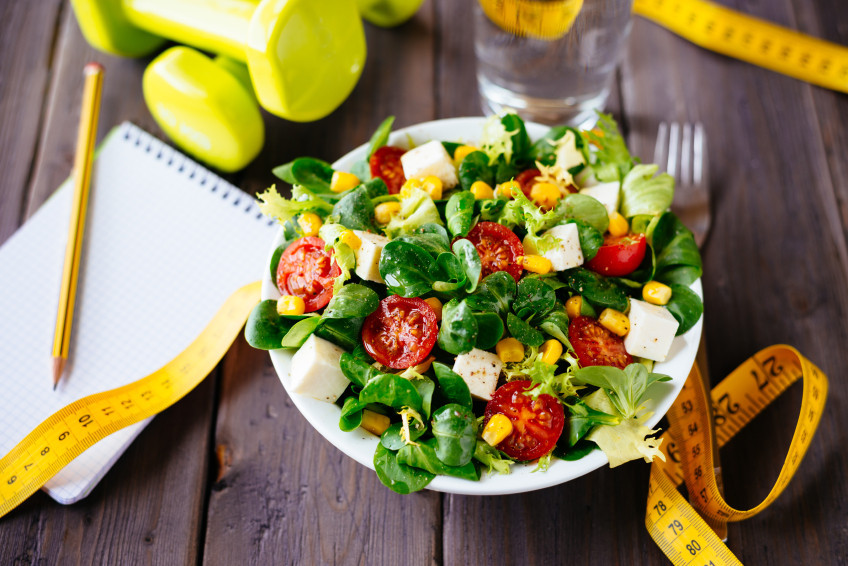

Snooze more, eat less? Sleep deprivation may hamper weight control
It's now understood that many factors influence a person's ability to lose weight —not just burning more calories than are taken in. A new study supports the idea that people using sleep hygiene tips to get sufficient sleep consume fewer calories than people who are sleep-deprived.

Can vitamin D supplements prevent autoimmune disease?
Claims that vitamin D supplements are beneficial to health are common, but many of these supposed benefits remain unproven. A recent study looked at data from over 25,000 people in an attempt to determine if taking vitamin D regularly might help prevent autoimmune disease.

The plant milk shake-up: Pea and pistachio join oat and almond
Pea, potato, and pistachio milk? Supermarkets now sell multiple kinds of plant-based milks made from nuts, beans, grains, vegetables, or fruit. Before trying these, some people might like to know more about nutritional benefits and any other reasons to choose or avoid them.
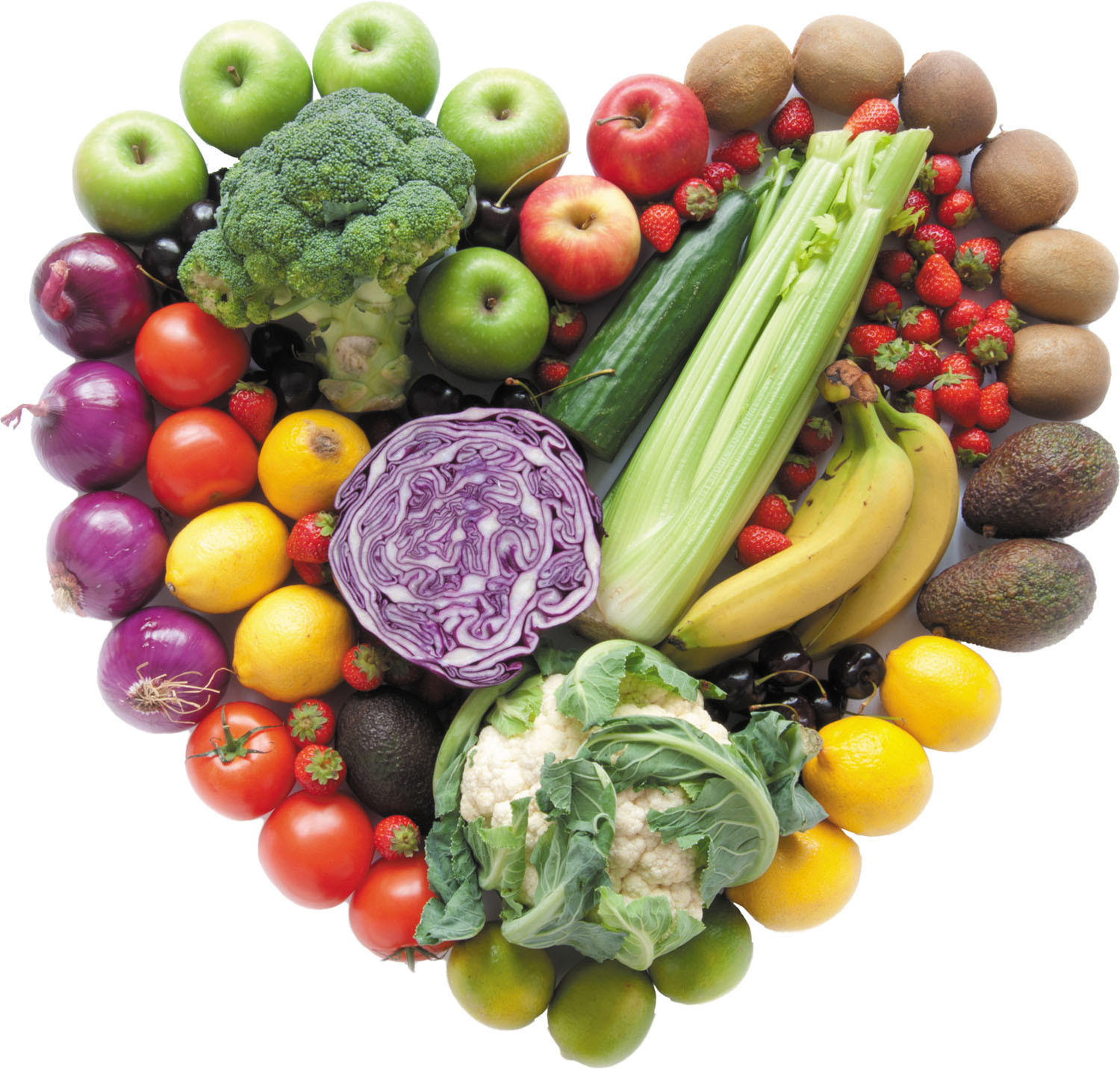
The 10 rules of a heart-healthy diet
The American Heart Association released updated dietary guidelines in November 2021. Instead of focusing on certain nutrients, the guidelines emphasize healthy eating patterns that include fruits, vegetables, whole grains, plant-based proteins, and plant-based oils. The guidelines also urge people to avoid foods and drinks that are ultra-processed or that have lots of added sugars; to choose or prepare foods with little or no salt; to limit alcohol consumption; and to follow the rules for a heart-healthy diet no matter what the setting.

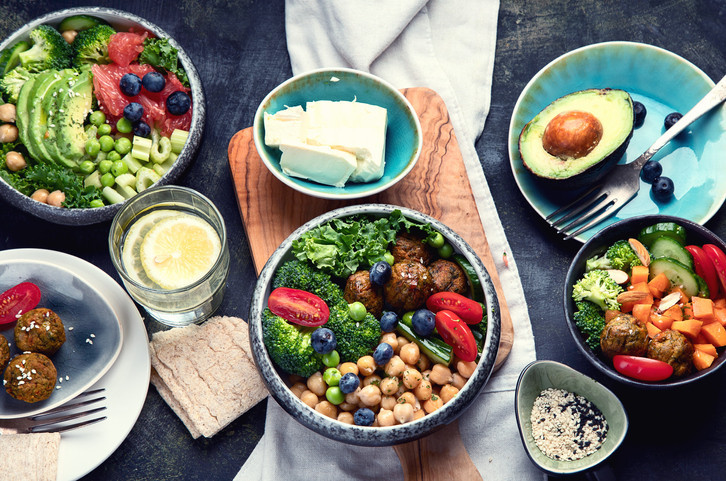
Scoring highly on Alternative Healthy Eating Index lowers risk for many illnesses
Should you take probiotics?
Probiotics can be helpful in some cases, but it's unclear whether they are safe for all older adults.

A healthier butter for your heart?
Naturally occurring plant compounds called stanols can help reduce cholesterol. But they may not be found in large enough amounts in butter substitutes to reduce cholesterol levels in the body. The best way to lower is cholesterol is still by eating a plant-based diet with more fruits and vegetables and less processed foods, reducing consumption of saturated fat, and working to maintain a healthy weight.
Harvard study: Healthier fats linked to longer life after prostate cancer diagnosis
Shingrix shingles vaccine linked with lower heart disease risks
Estrogen-only hormone therapy tied to lower dementia risk
Should you have a hysterectomy?
Stair climbing may significantly lower cardiovascular risks
Why do I sweat so much?
Walking pneumonia: The "mild" illness that can still pack a punch
What causes knee pain: How doctors make a diagnosis
Sacroiliac joint pain: Causes, symptoms, and exercises that help
Where you carry excess weight matters in predicting heart disease risk
Free Healthbeat Signup
Get the latest in health news delivered to your inbox!
Sign Up
