

Even a little exercise linked with lower stroke risk in people with afib

Testosterone therapy without evidence of deficiency may boost heart risk

Weight-loss drug may lower risk of heart attacks and infections

What to eat on the DASH diet

Migraine: How it's diagnosed and what that means

Tricep workouts you can do at home

Mindfulness practices to reduce stress and improve focus

Antihistamines may not offer meaningful relief from eczema symptoms

Overweight and taking blood pressure medications: Study finds it's a trend that's working

FDA approves first mRNA-based flu vaccine
Menopause and perimenopause Archive
Articles

The head-scratching dilemma of itchy nipples and breasts
Itchiness of the breasts or nipples isn't common, but can signal conditions both harmless and serious. Minor reasons for itchiness across the bra area include eczema, psoriasis, exposure to soaps or detergents, trapped moisture, and pregnancy and breastfeeding. More serious causes include infections, breast surgery, radiation treatment, and certain rare forms of breast cancer. Any skin changes on the breast that don't improve over weeks should be evaluated by a doctor.
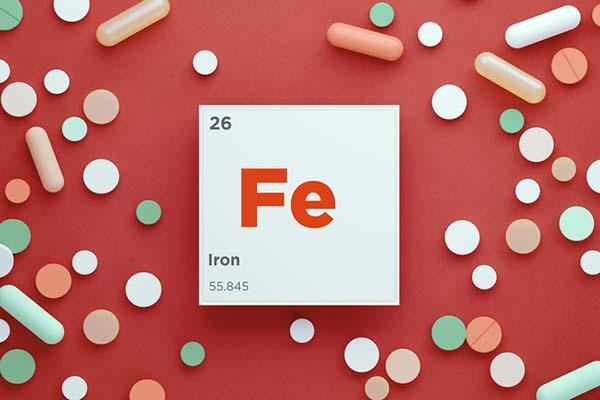
Should women over 60 take iron supplements? What you need to know
Women over 60 need less iron than they did before menopause, when they lost iron through menstruation. Many conditions can lead to iron loss and iron-deficiency anemia, when the body can’t make enough red blood cells to properly carry oxygen throughout the body. Signs of iron deficiency include pale skin, fatigue, shortness of breath, weight loss, and chest pain. Tests can reveal iron deficiency and underlying reasons for iron loss. People should not take iron supplements without checking with their doctor. Too much iron can damage organs.

Women with diabetes may face more hidden heart damage
A 2025 study suggested that women with diabetes are nearly twice as likely as men to have hidden heart disease. These women might especially benefit from early screening for problems in the small blood vessels of the heart.
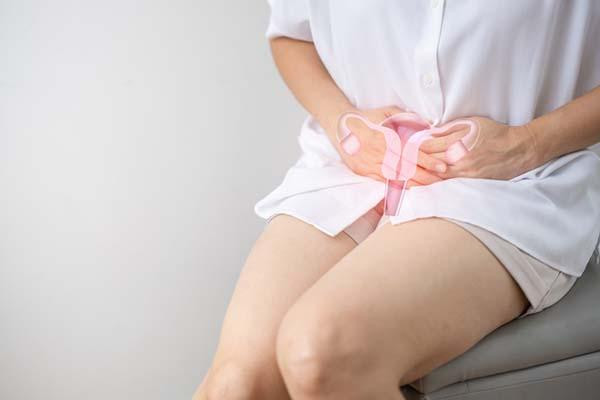
A new name for vaginal atrophy: Genitourinary syndrome of menopause
Genitourinary syndrome of menopause, or GSM, was once called vaginal atrophy. But experts changed the name to better reflect the full scope of symptoms, which include vaginal thinning and dryness; burning, irritation, and itching; pain during intercourse; urinary issues such as increased urgency and frequency; and higher risk of urinary tract infections. The majority of women with GSM symptoms don't discuss it with their doctors. But a Harvard expert says they should, since GSM is progressive and can lead to dangerous problems.

What can I expect during an endometrial biopsy?
An endometrial biopsy is the only way to rule out endometrial (or uterine) cancer. Any vaginal bleeding a year or more after a woman's final period raises the possibility of uterine cancer. The biopsy involves using a suction tube to gather cells from the uterine lining.
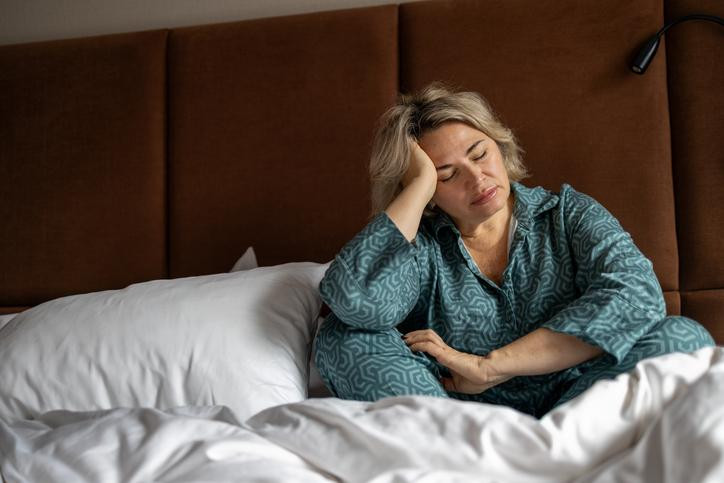
Poor sleep raises risk of heart problems in menopausal women
A 2025 study identified poor sleep along with high blood pressure, nicotine use, and high blood sugar levels as particularly important factors increasing the long-term risk of heart problems for women in midlife.
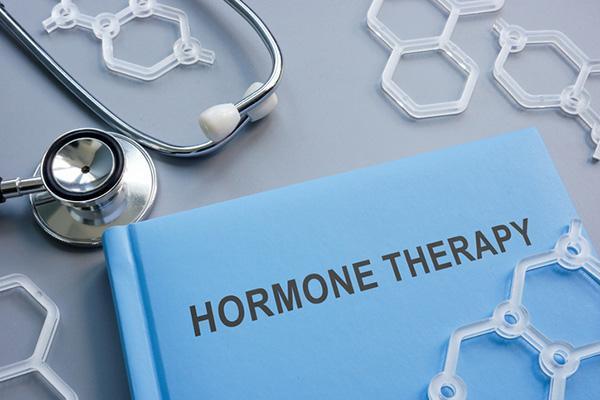
FDA removes menopause hormone therapy black box warnings
After an FDA panel was convened to review black box warnings on menopause hormone therapy, which includes both systemic and vaginal estrogen treatments, the FDA announced in November 2025 it would remove black box warnings from all hormone therapy products containing estrogen. Women considering hormone therapy should discuss their individual health risks with their doctor - such as a history of heart attack or stroke, a blood clot in the legs or lungs, hormone-sensitive cancer, active liver disease, and overall breast cancer and cardiovascular risks.

Navigating menopause after cancer
More than 10 million of the nation's 19 million cancer survivors are women, 80% of whom are 60 or older. Cancer survivors going through menopause may not be able to use systemic hormone therapy if their cancer was hormone-driven, but other measures can provide symptom relief. These include various medications and lifestyle modifications such as cognitive behavioral therapy, meditation, acupuncture, and regular exercise. Some women who can't use systemic hormone therapy may still try vaginal estrogen to ease vaginal dryness, some urinary symptoms, or painful sex.

Frequent standing may improve blood pressure after menopause
A 2025 study suggests that postmenopausal women may be able to lower their blood pressure simply by standing more often each day.

What perimenopause symptoms should I tell my gynecologist about?
Women with unusual pelvic or vaginal symptoms should report them to their gynecologist. These symptoms include vaginal odor, itching, or burning; menstrual changes; pelvic pain or discomfort; or new bleeding.
Even a little exercise linked with lower stroke risk in people with afib
Testosterone therapy without evidence of deficiency may boost heart risk
Weight-loss drug may lower risk of heart attacks and infections
What to eat on the DASH diet
Migraine: How it's diagnosed and what that means
Tricep workouts you can do at home
Mindfulness practices to reduce stress and improve focus
Antihistamines may not offer meaningful relief from eczema symptoms
Overweight and taking blood pressure medications: Study finds it's a trend that's working
FDA approves first mRNA-based flu vaccine
Free Healthbeat Signup
Get the latest in health news delivered to your inbox!
Sign Up
