

Even a little exercise linked with lower stroke risk in people with afib

Testosterone therapy without evidence of deficiency may boost heart risk

Weight-loss drug may lower risk of heart attacks and infections

What to eat on the DASH diet

Migraine: How it's diagnosed and what that means

Tricep workouts you can do at home

Mindfulness practices to reduce stress and improve focus

Antihistamines may not offer meaningful relief from eczema symptoms

Overweight and taking blood pressure medications: Study finds it's a trend that's working

FDA approves first mRNA-based flu vaccine
Menopause and perimenopause Archive
Articles

Advancing maternal justice on both sides of the Atlantic

Protect your bones with tai chi
This ancient practice, which consists of sequences of fluid movements, can improve your balance and help you prevent falls.
Tai chi is a form of gentle exercise that experts say can help improve your mood, reduce your stress level, and help keep your heart healthy. It can also benefit your bones.
"There's very strong evidence that tai chi is one of the best weight-bearing exercises to reduce the risk for falls," says Peter Wayne, faculty editor of the Harvard Special Health Report An Introduction to Tai Chi and director of the Osher Center for Integrative Medicine.

Your breasts may offer clues about your heart health
Could a closer look at your mammogram help guide efforts to prevent heart disease?
Your mammogram could offer a glimpse at more than just the health of your breasts. It may also provide important clues about your heart.
When a radiologist reads a mammogram, she or he sometimes sees little white streaks that look like lines of chalk inside the arteries of your breast. These lines are actually deposits of calcium called arterial calcifications. If you have them, it could mean that you have similar deposits in other arteries inside your body, including those that bring blood to your heart muscle — a known risk factor for heart disease.

Probiotic may help prevent recurrences of bacterial vaginosis
Research we're watching
If you've ever experienced a bout of bacterial vaginosis, a vaginal infection that affects anywhere from 15% to 50% of reproductive-age women, a study published May 14, 2020, in The New England Journal of Medicine may be of interest. It found that women who inserted a type of probiotic called Lactobacillus crispatus (Lactin-V) in their vagina twice per week were less likely to have a recurrence of bacterial vaginosis than women who did not. Experts don't fully understand what causes bacterial vaginosis, but it is associated with an overgrowth of some microorganisms (such as Gardnerella vaginalis or Prevotella), which outnumber healthier types of vaginal bacteria, including a common one called Lactobacillus. In many cases, the condition will recur after treatment. All of the 228 women in the study were initially treated for bacterial vaginosis with the standard topical antibiotic metronidazole (MetroGel Vaginal). But after that treatment, 152 of the women were assigned to use Lactin-V for an additional 11 weeks. The remainder of the group got a placebo treatment. Researchers found that only 30% of the Lactin-V group had a recurrence of bacterial vaginosis by week 12, compared with 45% of the placebo group.
Image: © spukkato/Getty Images

Women's group recommends more screenings for anxiety
Research we're watching
A national coalition of women's health organizations recommends screening all adolescent girls (ages 13 and older) and adult women for anxiety. The goal is to improve detection and treatment for this common condition. The Women's Preventive Services Initiative (WPSI) recommends screening to look for all types of anxiety disorders, such as panic disorder, social anxiety disorder, and generalized anxiety disorder, in addition to depression screenings, which are already recommended for adults, says the WPSI. It would be up to individual clinicians to determine how often to do the screenings and to refer women and girls for follow-up examinations and screening.
Image: fizkes/Getty Images

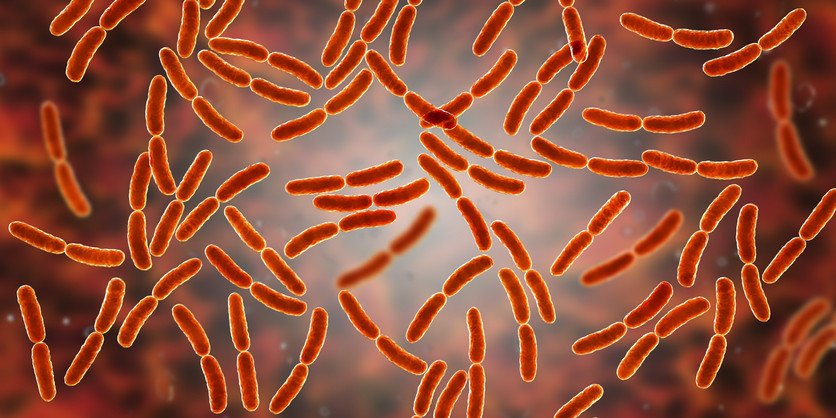
An emerging link between the urinary microbiome and urinary incontinence
The discovery that the urinary tract has a microbiome analogous to the one in the digestive tract has led to research showing that in women with urinary incontinence, their urinary microbiome differs from those in women who do not have urinary incontinence.
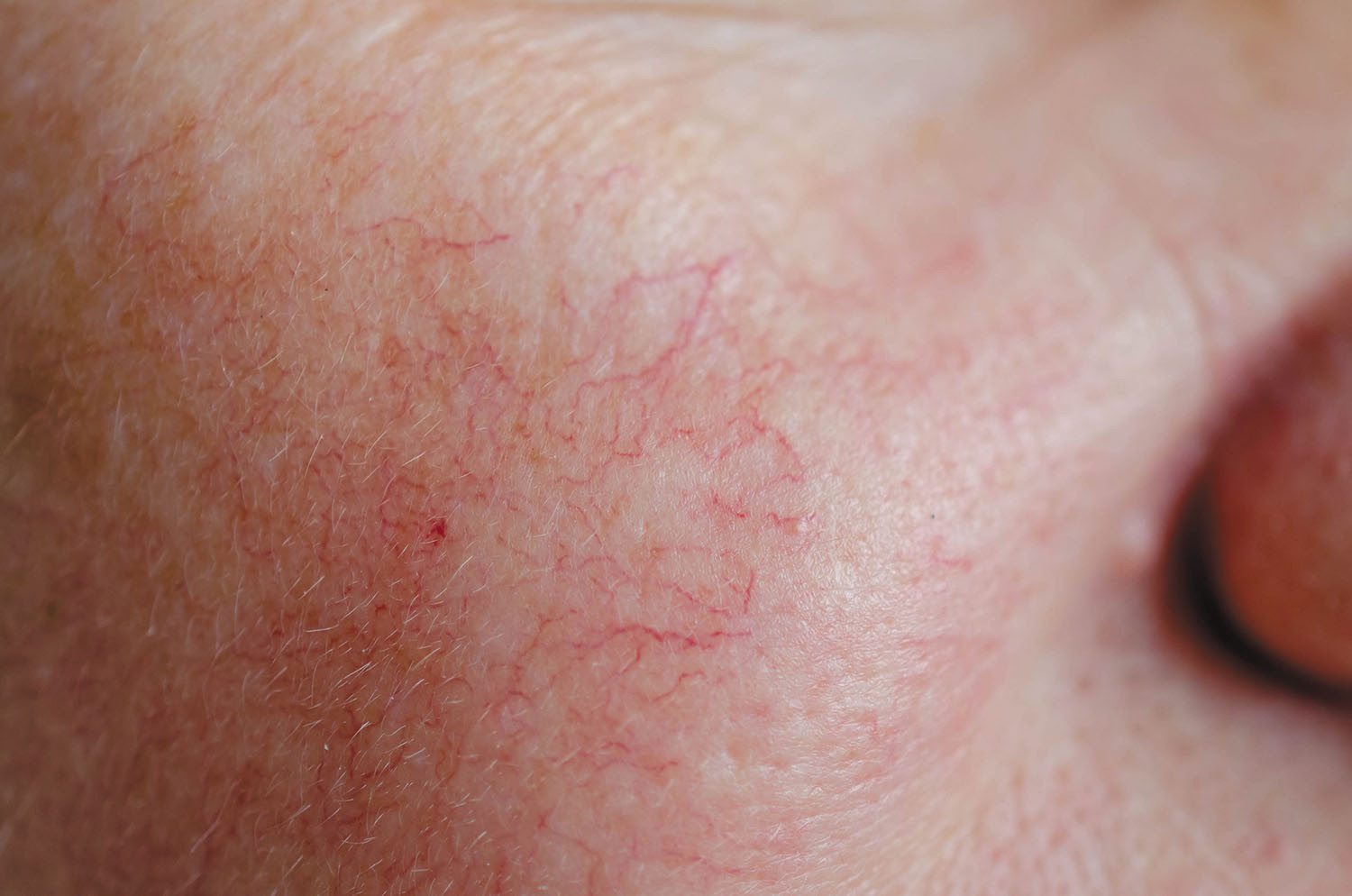
Rosacea can flare at menopause
Tips to help you treat this common skin condition.
You thought you left acne behind you in your teen years, but here you are at midlife with a breakout. But it might not be what you think. Rosacea is often mistaken for acne, and the condition, which most often begins after age 30, sometimes flares at menopause, says Dr. Suzanne Olbricht, an associate professor of dermatology at Harvard Medical School.
A common skin condition affecting some 16 million Americans, rosacea most often develops in people with fair skin who blush easily. Rosacea is sometimes mistaken for sunburn, a naturally ruddy complexion, or even an allergic reaction. It produces a number of skin problems, including

Can I do anything to prevent urinary incontinence?
Ask the doctors
Q. I'm hoping to prevent urinary incontinence. Is there anything I can do?
A. Nearly half of all women experience some type of urinary incontinence during the course of their lives. It may not be possible to prevent all of these cases, which can be caused by pregnancy, childbirth, or hormonal shifts that occur around the time of menopause. Here are some strategies that may help to reduce your risk.

Can I outwalk breast cancer?
Ask the doctors
Q. I've heard that walking could reduce my risk of breast cancer. Is this true?
A. Yes, it's true. Walking is not only a great form of exercise to help keep your heart healthy, it could potentially reduce your risk of breast cancer. One 2013 study, published in Cancer Epidemiology, Biomarkers & Prevention, found that women who walked seven hours a week — an hour a day on average — had a 14% lower chance of getting breast cancer when compared with women who walked three hours a week or less. The benefit was seen even in women who were at higher risk for breast cancer, including those who were overweight or who were taking hormone therapy. It's not clear how walking helps, but experts speculate that physical activity might help keep the body's levels of estrogen and insulin in check. Both of these hormones can fuel breast cancer, so regulating them more effectively could reduce your risk.
Even a little exercise linked with lower stroke risk in people with afib
Testosterone therapy without evidence of deficiency may boost heart risk
Weight-loss drug may lower risk of heart attacks and infections
What to eat on the DASH diet
Migraine: How it's diagnosed and what that means
Tricep workouts you can do at home
Mindfulness practices to reduce stress and improve focus
Antihistamines may not offer meaningful relief from eczema symptoms
Overweight and taking blood pressure medications: Study finds it's a trend that's working
FDA approves first mRNA-based flu vaccine
Free Healthbeat Signup
Get the latest in health news delivered to your inbox!
Sign Up
