

Fatty liver disease: Should you be tested?

Weight-loss drug may lower risk of heart attacks and infections

Testosterone therapy without evidence of deficiency may boost heart risk

Even a little exercise linked with lower stroke risk in people with afib

Antihistamines may not offer meaningful relief from eczema symptoms

What to eat on the DASH diet

Tricep workouts you can do at home

FDA approves first mRNA-based flu vaccine

Migraine: How it's diagnosed and what that means

Mindfulness practices to reduce stress and improve focus
Managing chronic conditions Archive
Articles

Protect yourself from falls outside the home
Many strategies can help people avoid falls in public places. For example, people can wear shoes with nonslip treads in stores and office buildings, use a rollator for stability in crowded areas such as airports or shopping malls, hold handrails on public staircases (or avoid them), avoid parking too close to vehicles in parking lots, or use the handicap stall in public bathrooms. Another important strategy is regularly strengthening leg and core muscles and practicing balance exercises (such as standing on one leg).
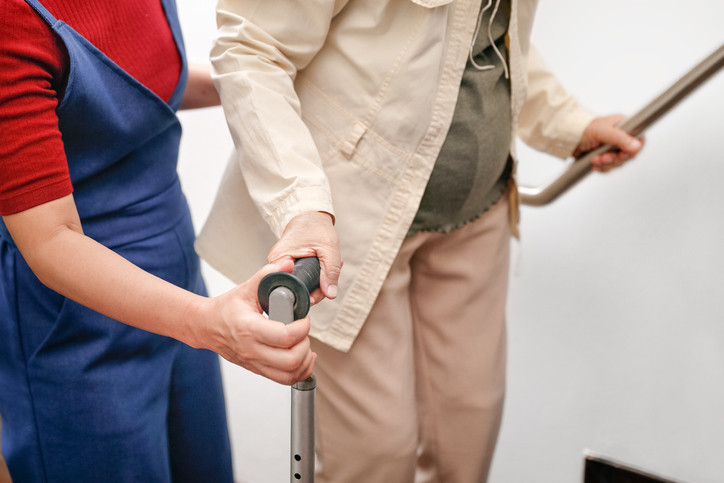
Preventing falls in older adults: Multiple strategies are better
Falls among older adults are on the rise, but most are preventable. To do this, interventions must target the multiple factors that contribute to falls, taking steps to minimize them or prevent them entirely.
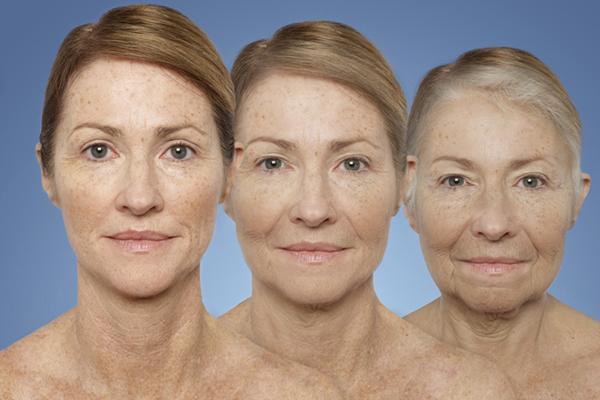
What factors speed up aging?
A variety of disparate factors can speed up people’s biological aging, which describes how well their body functions (in comparison to chronological aging). Drivers of aging include ultraviolet light, stress, smoking, obesity, radiation, and loneliness and social isolation.

When should you hire in-home help or health aides?
Most people want to live at home for as long as possible as they age, and managing this successfully may mean hiring outside help. Considering this step raises many questions, and answering them honestly will help guide decisions about when and how to proceed.


Tackling the top stressors for dementia caregivers
Caring for a person with dementia is physically, emotionally, logistically, and financially demanding. Caregivers can benefit from numerous services, such as caregiver support groups; respite care; and dementia care navigators, such as the local Area Agency on Aging (which can provide a long list of resources) or a local hospital dementia care program. It can also help to speak to doctors about consolidating appointments for the person with dementia and to reach out to family and friends to ask for assistance.

Caregiver nation: New tools to manage a family member's health as well as your own
There are all kinds of free educational opportunities designed to help family caregivers jump into their roles and better manage their own health. Family caregiver education is available in classes or workshops you attend in person. The Internet offers how-to articles, videos, podcasts, books, and guides for caregivers. Topics range from the basics of caregiving to the more nuanced challenges, such as communicating with a person with dementia. Many classes focus on how to cope as a caregiver and maintain one's health and wellness.

A new angle on aging in place: The virtual village
A virtual village is a group of older adults who live in their own homes, near each other, and agree to help each other. They form a self-governing nonprofit organization and volunteer to provide village services such as transportation, friendly visits, errands, exercise and social events, a dedicated hotline, and referrals to vetted services and suppliers. The village won't replace an assisted living facility or nursing home, but it may help delay the transition.


Are you healthy enough to age in place?
There are many health-related requirements for living independently in older age. For example, one needs sharp thinking skills in order to manage medications, pay bills, choose clothes for the day, and select and buy groceries; and one needs strength, balance, and flexibility in order to get up from a chair, cook, or clean. People with weakening aspects of health should talk to a doctor for potential solutions to improve or cope with health challenges in order to continue living independently.
Fatty liver disease: Should you be tested?
Weight-loss drug may lower risk of heart attacks and infections
Testosterone therapy without evidence of deficiency may boost heart risk
Even a little exercise linked with lower stroke risk in people with afib
Antihistamines may not offer meaningful relief from eczema symptoms
What to eat on the DASH diet
Tricep workouts you can do at home
FDA approves first mRNA-based flu vaccine
Migraine: How it's diagnosed and what that means
Mindfulness practices to reduce stress and improve focus
Free Healthbeat Signup
Get the latest in health news delivered to your inbox!
Sign Up
