

Fatty liver disease: Should you be tested?

Weight-loss drug may lower risk of heart attacks and infections

Testosterone therapy without evidence of deficiency may boost heart risk

Even a little exercise linked with lower stroke risk in people with afib

Antihistamines may not offer meaningful relief from eczema symptoms

What to eat on the DASH diet

Tricep workouts you can do at home

FDA approves first mRNA-based flu vaccine

Migraine: How it's diagnosed and what that means

Mindfulness practices to reduce stress and improve focus
Managing chronic conditions Archive
Articles

Epigenetics and aging: How are they connected?
Epigenetics is the study of how behavior, the environment, and other factors can trigger chemical changes to DNA or nearby proteins that affect how genes work. Collectively, these changes (known as epigenetic marks) may provide clues about health and longevity.

Men might be more likely than women to rely on their doctors when making health care decisions
A 2026 analysis indicated that among adults ages 50 and older, men were more inclined than women to rely on medical professionals when making health care decisions and less likely to put quality of life ahead of simply living longer.
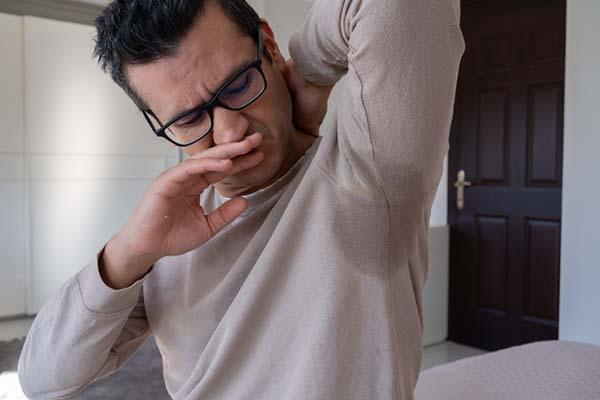
Body odor: How it changes — and how to improve it
Every person smells a little different, due to genetics, hygiene habits, and the skin’s microbiome (the microbes that naturally live on the skin), but body odor occurs when someone’s scent becomes foul. It is most noticeable when people are sweating, but body odor changes sometimes signal certain health conditions.

The health risks of gray divorce: Stress, insomnia, high blood pressure, and more
Gray divorce—which involves couples ages 50 and older ending their marriage—has become more common over the past 30 years. While divorce increases the odds of mental and physical health problems at any age, older adults face heightened health risks during a stage when many people already have chronic conditions.

The 5 pillars of longevity: Movement, nutrition, sleep, stress reduction, and social connection
The term “longevity” encompasses both living longer and staying in good health. Research consistently indicates that five lifestyle pillars promote longevity: movement, nutrition, sleep, stress reduction, and socialization. But it’s impossible to gauge which pillar counts most toward longevity.

What is a longevity specialist, and should I see one?
Longevity (or healthspan) specialists focus on preventing age-related disease and extending people’s healthy years, rather than waiting to treat illness once it appears. Ideally, a longevity specialist focuses on proven health fundamentals before supplements and experimental therapies.

Loneliness linked to cognitive decline and early death
A 2026 study suggested that feeling lonely was consistently linked to worsening cognitive health and a shorter life among older adults, even after accounting for social isolation.

Stomachs growl, noses run, and yawning is contagious: Ever wonder why?
There are things our bodies do so often and so automatically that we barely notice them. Yawning, growling stomachs, and runny noses are good examples. Each is a universal part of our daily human experience — but did you ever wonder why?
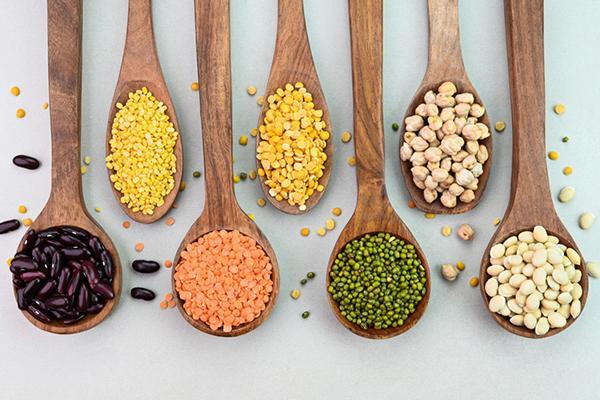
Eating more soy and other legumes might ward off high blood pressure
A 2026 research review and analysis suggested that consuming more soy products and other legumes was associated with a lower risk of developing high blood pressure.

Ways to maximize your energy
People’s energy levels typically decrease later in life as a result of aging, illness, or other factors. Fortunately, a healthier lifestyle can boost energy. That involves eating a diet low in added sugars and processed foods, getting seven to nine hours of sleep each night, managing stress, getting lots of aerobic exercise, and strengthening the muscles. Using physical energy frugally is another useful strategy. For example, it helps to perform activities at a slow, steady pace instead of a fast pace; to break activities into small tasks instead of one large job; and to rest between tasks.
Fatty liver disease: Should you be tested?
Weight-loss drug may lower risk of heart attacks and infections
Testosterone therapy without evidence of deficiency may boost heart risk
Even a little exercise linked with lower stroke risk in people with afib
Antihistamines may not offer meaningful relief from eczema symptoms
What to eat on the DASH diet
Tricep workouts you can do at home
FDA approves first mRNA-based flu vaccine
Migraine: How it's diagnosed and what that means
Mindfulness practices to reduce stress and improve focus
Free Healthbeat Signup
Get the latest in health news delivered to your inbox!
Sign Up
