

Even a little exercise linked with lower stroke risk in people with afib

Testosterone therapy without evidence of deficiency may boost heart risk

Weight-loss drug may lower risk of heart attacks and infections

What to eat on the DASH diet

Migraine: How it's diagnosed and what that means

Tricep workouts you can do at home

Mindfulness practices to reduce stress and improve focus

Antihistamines may not offer meaningful relief from eczema symptoms

Overweight and taking blood pressure medications: Study finds it's a trend that's working

FDA approves first mRNA-based flu vaccine
Inflammatory bowel disease (IBD) Archive
Articles

How a healthy gut helps your heart
Following a plant-based eating pattern and cutting back on highly processed foods can help promote a more diverse, healthier microbiome. A healthy gut microbiome may decrease inflammation that promotes heart disease. Most fruits, vegetables, beans, and whole grains are good sources of prebiotic fiber, which is broken down by gut bacteria to create short-chain fatty acids. These fatty acids are linked to lower inflammation and reductions in other heart disease risk factors.
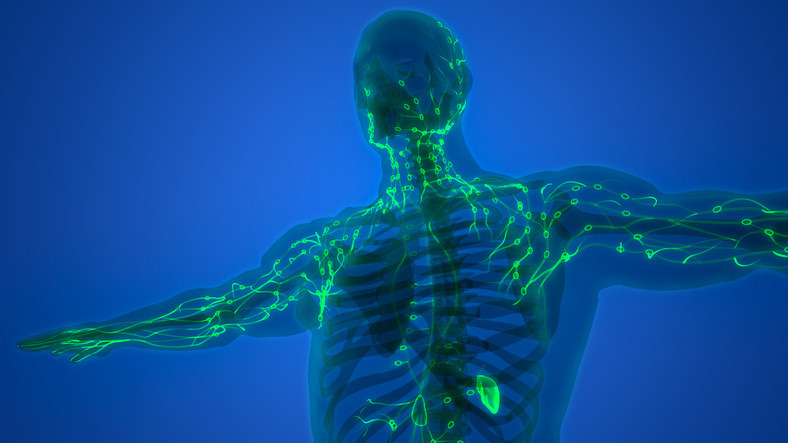
Wondering what your lymph nodes have done for you lately?
The human body has hundreds of lymph nodes, one part of the immune system that helps defend the body against health threats. They aren't usually noticeable, but they are always working to deal with potential health problems.

Try this natural remedy to stay regular
Eating two peeled kiwifruits per day may help ease constipation, according to a small randomized trial published in 2023. The effectiveness of eating kiwifruits was slightly greater than that of using a daily fiber supplement such as Metamucil or Fiberall.
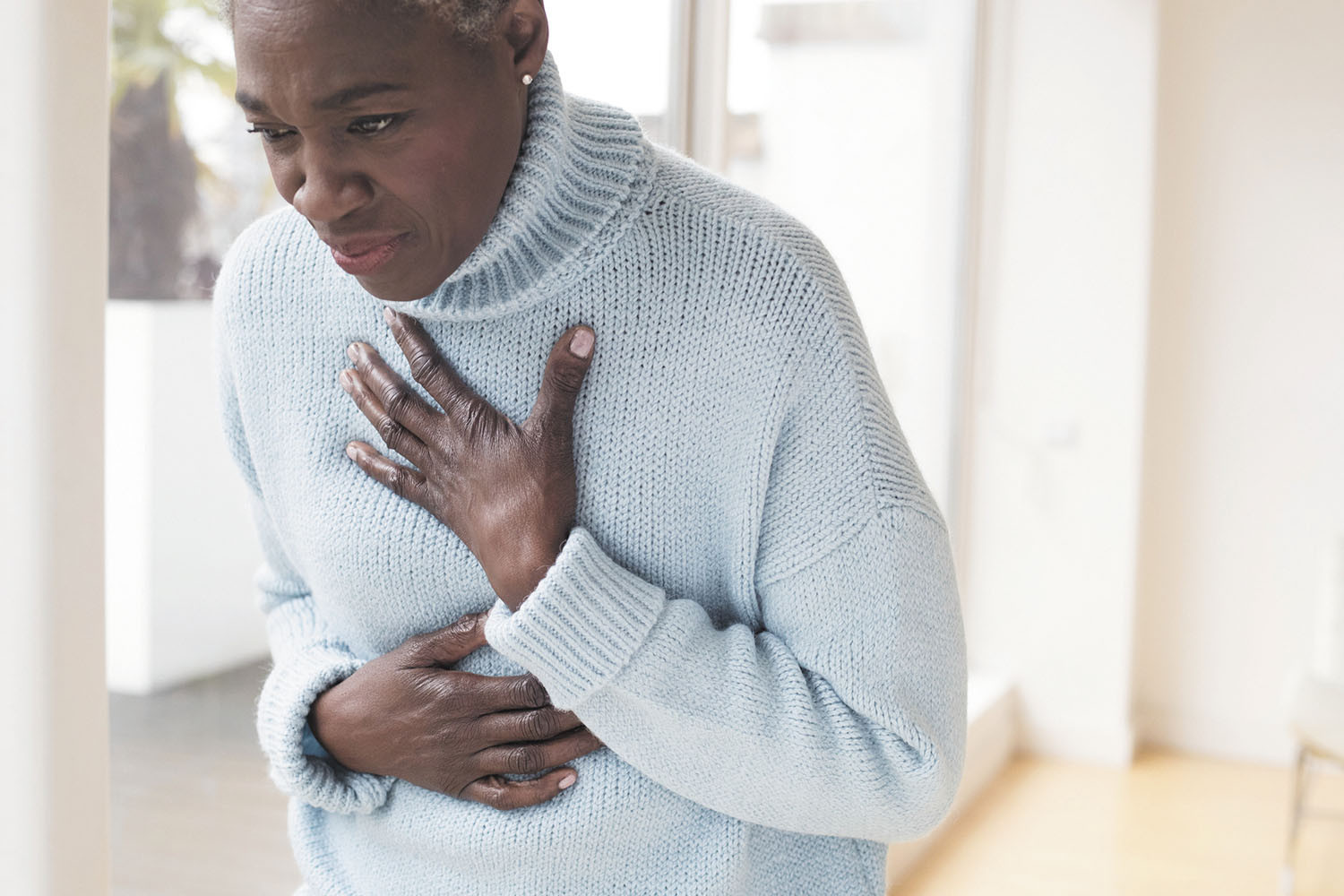
Hormone therapy linked to higher risks of GERD
A 2023 study suggests that women who have used menopausal hormone therapy are significantly more likely to develop gastroesophageal reflux disease (GERD).

Do I need any more COVID vaccinations?
Who should get COVID vaccine boosters and when will remain in flux for at least another year. This summer, the FDA instructed the vaccine makers to have the next COVID vaccine target the XBB.1.5 Omicron subvariant. The CDC will be issuing specific recommendations by October, but infectious disease experts expect the newer vaccine to provide the most benefit for people over 65 and those younger with chronic conditions.

Got immunity? Thank your thymus
The thymus gland is very important in the development of the immune system during fetal growth, infancy, and early childhood. As we grow into adulthood the thymus shrinks, but growing evidence suggests the gland may play a role in adult health for much longer than previously thought.

When — and how — should you be screened for colon cancer?
In the US population as a whole, deaths from colon cancer have been declining, but in people under 50 that rate has increased. Most major medical organizations recommend screening beginning at age 45 for people at average risk.

7 organs or glands you may do just fine without
Removing tonsils in childhood was once routine care for healthy children, but is no longer recommended. Why are some organs and glands — appendix, tonsils, adenoids and more — considered expendable and why do we have them if they're not needed?


Even a little exercise linked with lower stroke risk in people with afib
Testosterone therapy without evidence of deficiency may boost heart risk
Weight-loss drug may lower risk of heart attacks and infections
What to eat on the DASH diet
Migraine: How it's diagnosed and what that means
Tricep workouts you can do at home
Mindfulness practices to reduce stress and improve focus
Antihistamines may not offer meaningful relief from eczema symptoms
Overweight and taking blood pressure medications: Study finds it's a trend that's working
FDA approves first mRNA-based flu vaccine
Free Healthbeat Signup
Get the latest in health news delivered to your inbox!
Sign Up
