

Reading the current blood pressure guidelines

Oat vs. dairy milk: Nutrition, benefits, and downsides

Microplastics: A hidden health threat?

Healing after food poisoning

What is tempeh? Benefits, nutrition, and how to use it

Light exposure at night may raise risk for heart disease

Whole grains may improve several heart risk factors at once

A lumbar belt may help ease low back pain

Children of centenarians may stay healthier and live longer too, study finds

Signs of pneumonia: Sometimes vague and unexpected
Independent Living Archive
Articles

Wag more: A tale of healthy living
Animal companions offer emotional,social, and health benefits to their humans. Research suggests that dog owners are more likely to meet recommended physical activity goals and tend to have lower blood pressure than people who don't have dogs. |
Canine companionship yields heartfelt benefits for many people.
Sometime around the Stone Age, a few docile wolves crept out of the woods to warm themselves by the human campfire. The rest, as they say, is history. Today, nearly half of U.S. households include at least one canine family member. For most owners, the responsibilities and costs are easily outweighed by the unmatched love and devotion that dogs can offer.

Mediterranean diet: Good for your mind and your heart
Plant-based compounds known as polyphenols are plentiful in the Mediterranean diet, which may explain its health benefits. |
Extra-virgin olive oil and nuts seem to contribute to the benefits.

Moderate drinking may harm older people's hearts
A drink or two a day has long been touted as beneficial for the heart. But new research suggests that for older people, even moderate drinking may cause worrisome changes in the heart's structure and function. Moderate drinking is defined as a drink per day for women and two drinks a day for men.
The study included nearly 4,500 adults with an average age of 76 years. They drank varying amounts of alcohol, ranging from none to 14 or more drinks per week. Researchers looked at the size, structure, and function of different parts of their hearts using cardiac imaging techniques.

Ask the doctor: Stretching before exercise
Q. Should I stretch before or after my workout to help prevent muscle injuries and soreness? I've gotten conflicting advice on this.
A. We all remember the importance placed on stretching in our high school physical education classes. However, recent expert opinion has moved away from static stretching before activity and toward a gradual and active warm-up period before exercise. Stretching a healthy muscle before exercise does not prevent injury or soreness.
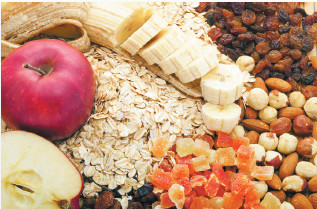
How to sneak in more dietary fiber
A fiber-rich diet includes a variety of fruits, vegetables, and whole grains. Image: Thinkstock |
Meeting fiber goals improves overall nutrition and helps with regularity, even without dramatic dietary changes.

Ask the doctor: Are supplements good for health?
Q. Why can't doctors decide if vitamin supplements are good for your health, or not?
A. You might think that it would be simple for doctors to determine if vitamin supplements are good for your health. Alas, it's not. Here's why.

Ways to keep your relationship strong
Spend time doing activities |
Give your relationship a tune-up by assessing strengths, letting go of disappointments, and doing things together.
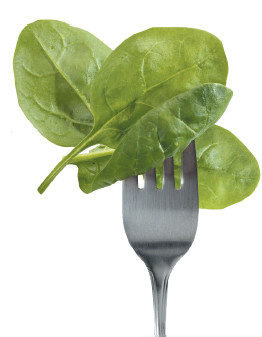
Add more nutrient-dense foods to your diet
Foods such as kale, cantaloupe, and quinoa can boost the amount of nutrients you consume without increasing calories.
Getting enough nutrients through diet is challenging as we age. Our bodies don't absorb nutrients as well as they once did, yet we tend to need fewer calories and eat less. So it's important to make the most out of the foods we do eat. One way is by choosing more nutrient-dense foods, which provide more nutrition bang for the calorie buck. "They contain an abundance of nutrients and other healthful substances—vitamins and minerals, fiber, lean protein, and unsaturated fats—but are not excessive in calories. This is compared with foods of low nutrient density that are high in calories," says Liz Moore, a registered dietitian at Harvard-affiliated Beth Israel Deaconess Medical Center.

Why your annual check-up is still important to your health
The annual visit helps to sustain your relationship with your clinician and personalize your health care. Image: Thinkstock |
Although health experts are giving us fewer reasons to see the doctor every year, there are many benefits to doing so.
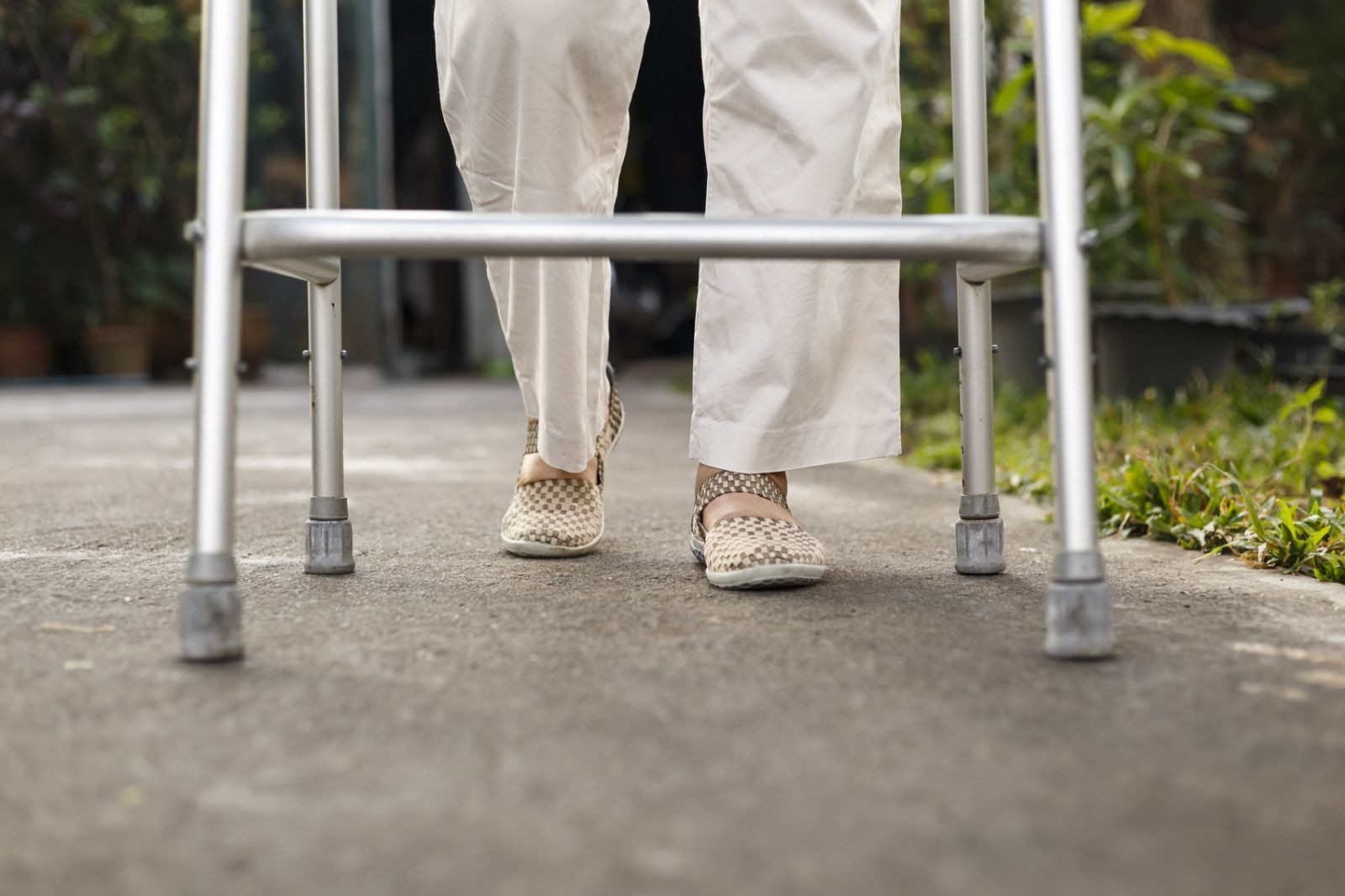
Protect your mobility
Mobility — the ability to move purposefully around your environment — is vitally important to health and well-being.
Nearly one-third to one-half of adults ages 65 and older experience impaired mobility. At first, it may not seem like a big deal — many people with impaired mobility learn to just move a little more slowly and a little more deliberately. Some people work around the problem by relying on a cane or walker.
Reading the current blood pressure guidelines
Oat vs. dairy milk: Nutrition, benefits, and downsides
Microplastics: A hidden health threat?
Healing after food poisoning
What is tempeh? Benefits, nutrition, and how to use it
Light exposure at night may raise risk for heart disease
Whole grains may improve several heart risk factors at once
A lumbar belt may help ease low back pain
Children of centenarians may stay healthier and live longer too, study finds
Signs of pneumonia: Sometimes vague and unexpected
Free Healthbeat Signup
Get the latest in health news delivered to your inbox!
Sign Up
