

Fatty liver disease: Should you be tested?

Even a little exercise linked with lower stroke risk in people with afib

Testosterone therapy without evidence of deficiency may boost heart risk

Weight-loss drug may lower risk of heart attacks and infections

Migraine: How it's diagnosed and what that means

Tricep workouts you can do at home

Mindfulness practices to reduce stress and improve focus

Antihistamines may not offer meaningful relief from eczema symptoms

Overweight and taking blood pressure medications: Study finds it's a trend that's working

FDA approves first mRNA-based flu vaccine
Healthy eating for older adults Archive
Articles

7 tips for eating healthy when you can't count calories
Image: Bigstock
Counting calories is one of the most reliable ways to maintain or lose weight. But it's not always easy to do when you're out and about or pressed for time — and there are plenty of situations (such as a dinner party at a friend's house) that just don't lend themselves well to a "strictly numbers" approach.
Here are some guidelines to follow when straight calorie counting is impractical.



How much meat can you eat
Image: Thinkstock
Ask the doctor
Q Everything I read in Harvard Men's Health Watch about nutrition says to minimize the amount of red meat in my diet. Would it be best if I just gave it up completely? Or is there a safe amount to eat?
A Numerous studies have observed that consuming red meat is associated with diseases such as heart disease or colon cancer. In fact, the World Health Organization recently classified processed and red meats as cancer-causing substances. In most studies, it does appear that the lower your consumption of red meat, the better your health.

Got a bum knee? Here is what to do
If knee pain and swelling are severe an are not getting better, see your primary care doctor for a thorough evalucation. Image: Thinkstock
Arthritis is not the only possible cause of knee pain, swelling, and disability.
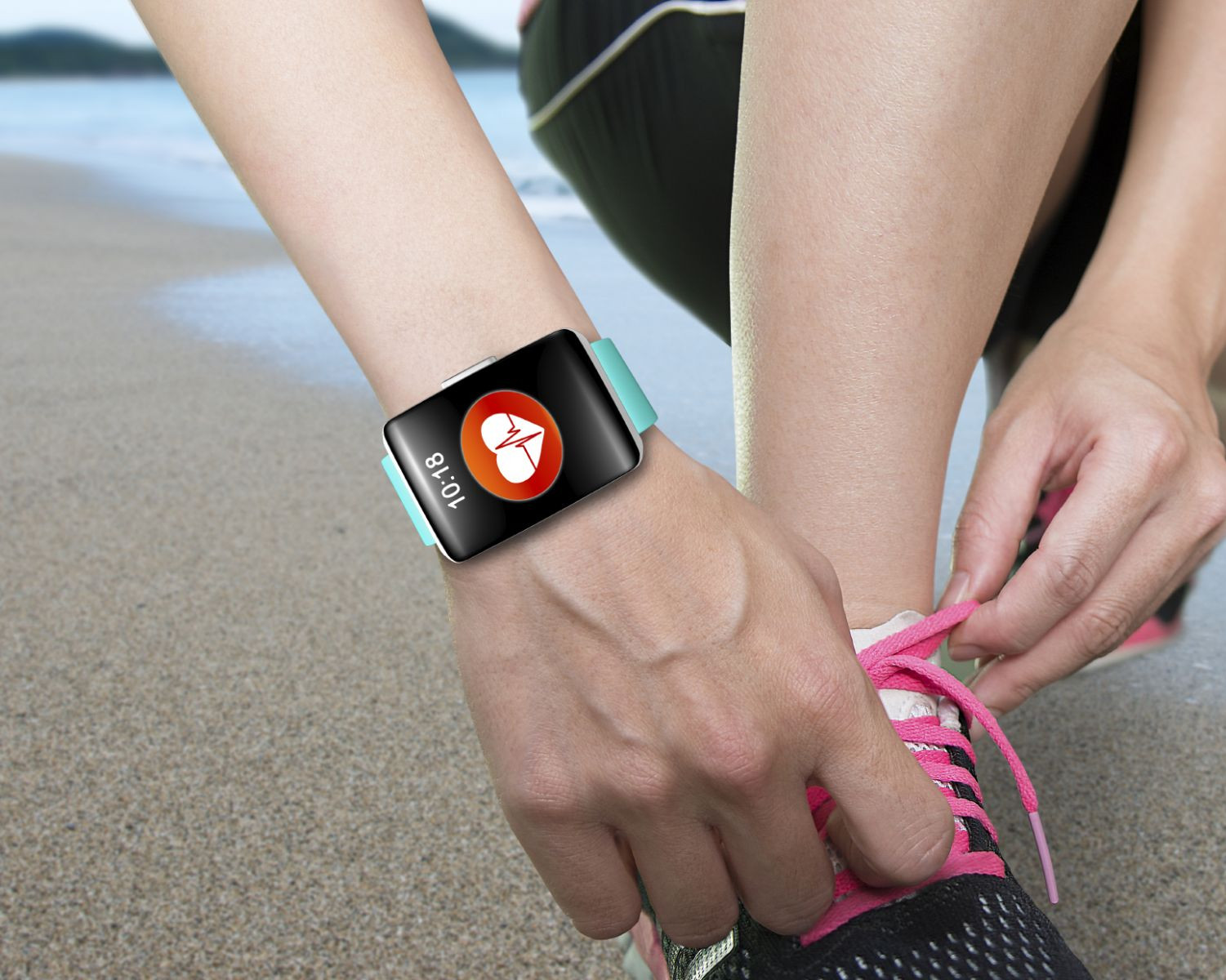
How fitness trackers can improve your health
Image: iStock
The wearable electronic devices may motivate you to stick to a diet or exercise plan.
If you've resolved to get more exercise, lose weight, or get more sleep in 2016, then a host of wearable electronic devices and apps are available to help you succeed. They will gently prod you to work toward your goal, encourage you along the way, and praise you when you get there. The gadgets record your activity, while the apps interpret the results and send you frequent messages to let you know how well you're progressing.

Is it a health problem, or is it just aging?
In our older years, it is normal to have difficulty seeing something close up. But pay attention if you have other vision changes.
Image: Thinkstock
The top 7 age-related physical changes that may mask other conditions.

Is this eating style good for brain health?
Image: Thinkstock
Ask the doctor
Q. My doctor says the Mediterranean diet is not only good for my health in general, but that it is particularly good for my brain. That got my attention. Anything to it?
A. I think there is. The Mediterranean diet is rich in whole-grain bread, root vegetables, green vegetables, fish, poultry, fruit, and olive oil. It includes relatively little red meat, butter, and other foods rich in saturated fats and trans fats. As is often the case with research into a medical question, not all studies come to the same conclusion. But many studies have found that people who regularly adhere to the Mediterranean diet are less likely to develop Alzheimer's disease. And many studies also find that people with diets rich in saturated fats (including from red meat and processed meat) and trans fats are more likely to develop dementia of some type, along with other brain disease, particularly strokes.

Rev up your thinking skills by trying something new
Learning a new dance step involves exercise, socialization, and a challenge, all of which can help boost thinking skills.
Image: iStock
Challenging your brain, staying physically active, and being socially engaged may help keep our thinking skills sharp.

Healthier meals on the go
Yes, you can find convenient fast-cook meals, but you'll have to do your homework.
Image: Thinkstock
Ever notice how nutrition takes a back seat when you're hungry? Packaged and prepared foods somehow don't seem unhealthy when you need a meal in a hurry. But is there such a thing as a nutritious convenience food? "Yes, there are some healthy options out there, but you really have to look for them," says registered dietitian Kathy McManus, director of the Department of Nutrition at Harvard-affiliated Brigham and Women's Hospital.
Typical convenience foods
Packaged, prepared foods come in several forms: boxed, dry goods such as quick-cook pasta and rice mixes; canned foods, such as soup or ravioli; or frozen foods, such as a single frozen dinner or a "family-sized" lasagna.
Fatty liver disease: Should you be tested?
Even a little exercise linked with lower stroke risk in people with afib
Testosterone therapy without evidence of deficiency may boost heart risk
Weight-loss drug may lower risk of heart attacks and infections
Migraine: How it's diagnosed and what that means
Tricep workouts you can do at home
Mindfulness practices to reduce stress and improve focus
Antihistamines may not offer meaningful relief from eczema symptoms
Overweight and taking blood pressure medications: Study finds it's a trend that's working
FDA approves first mRNA-based flu vaccine
Free Healthbeat Signup
Get the latest in health news delivered to your inbox!
Sign Up
