

People who walk more or walk faster live longer, study finds

Rosacea treatments: What works?

For sleep apnea, a dental device may be as effective as CPAP

Carb cycling: What is it, and does it work?

Understanding orthorexia: Have your healthy eating goals gone too far?

Melatonin or magnesium: Can either supplement help you sleep?

Salmonella, E. coli, Cyclospora, and other germs that cause food poisoning: What you need to know

Naturally gluten-free foods

Harvard study: Healthier fats linked to longer life after prostate cancer diagnosis

Shingrix shingles vaccine linked with lower heart disease risks
Healthy eating for diabetes Archive
Articles

Carb cycling: What is it, and does it work?
Carb cycling—alternating high- and low-carb days—may help athletes with fat loss and body composition when paired with structured exercise. But for most everyday exercisers, the regimen likely doesn’t offer benefits over simply following a healthy, balanced diet.

Understanding orthorexia: Have your healthy eating goals gone too far?
Orthorexia is an obsession with “pure” or “clean” eating that goes beyond healthy habits—marked by rigid food rules, anxiety around imperfect eating, and feelings of superiority. Though not a formal diagnosis, it’s treatable with help from a multidisciplinary team that includes various specialists in diet and mental health.
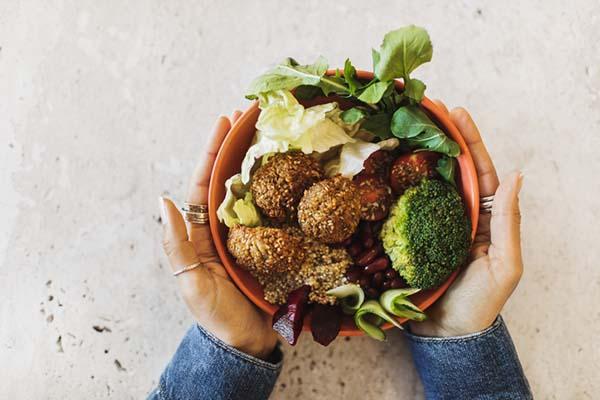
Naturally gluten-free foods
While gluten-free packaged foods offer convenience, whole foods like fruits, vegetables, proteins, dairy, and naturally gluten-free grains often provide better nutrition at lower cost. Building meals around these staples, rather than relying solely on specialty products, makes gluten-free eating easier to sustain.

Is there a link between fatty liver and high blood sugar?
A fatty liver diagnosis and a high blood sugar reading may point to more than one concern. See what these findings could mean for your health.
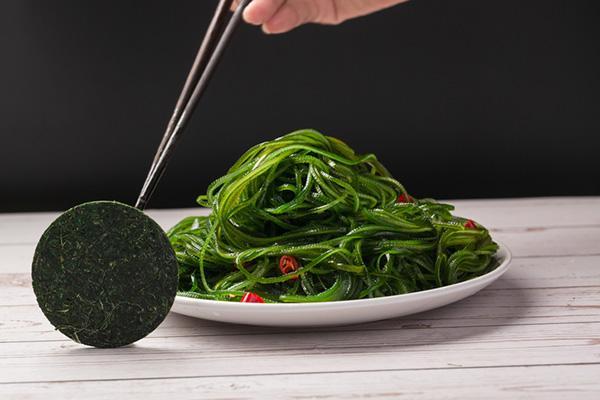
What should people with thyroid nodules know about kelp?
Kelp contains a nutrient that affects thyroid function, making supplement choices important for people with nodules or other thyroid concerns.

Fatty liver disease: Should you be tested?
People with type 2 diabetes or who have a high BMI with a metabolic risk factor (such as a large belly, abnormal lipid levels, or high blood pressure) should be screened for metabolic dysfunction-associated steatotic liver disease, a form of fatty liver disease.
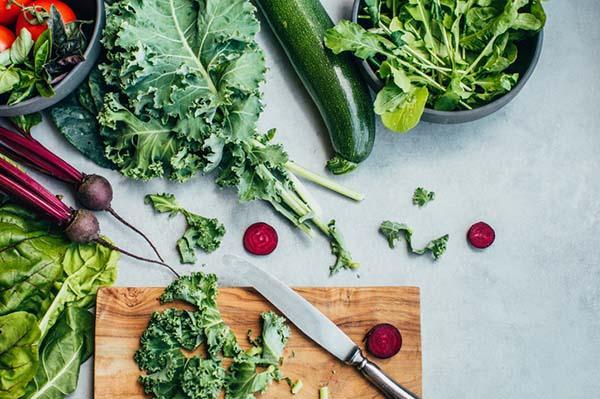
Nitrates in food and medicine: What's the story?
Nitrates are found in both leafy greens and processed meats. But it’s unclear how much these molecules matter compared with other components of those foods, as dietary nitrate levels have no proven link to heart disease risk.
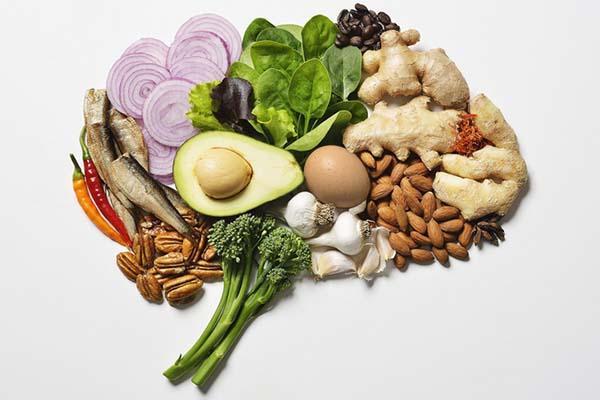
MIND diet: Eating for better brain health
The MIND diet combines Mediterranean and DASH diet principles with an added emphasis on brain-healthy foods like leafy greens, whole grains, and fish. Linked in some studies with slower cognitive decline and lower dementia risk, it’s a flexible eating pattern with benefits at any age.
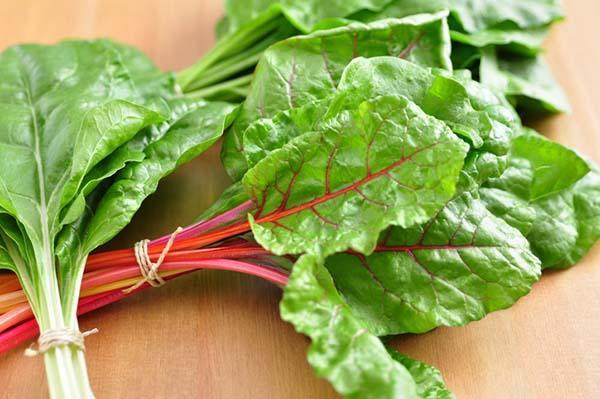
Oxalates, lectins, and phytates: Do these plant compounds sabotage your health?
“Anti-nutrients” like oxalates, lectins, and phytates are found in leafy greens, beans, and grains. They can slightly reduce absorption of some minerals, but aren’t reasons for most people to avoid these healthy foods. Food preparation and meal planning can help minimize such effects.

What to eat on the DASH diet
The DASH plan is one of the world’s leading heart-healthy diets. While it limits salt, sugar, saturated fat, and alcohol, it doesn’t have to be bland. With some flavor creativity and changes in shopping and meal planning, it can soon become second nature.
People who walk more or walk faster live longer, study finds
Rosacea treatments: What works?
For sleep apnea, a dental device may be as effective as CPAP
Carb cycling: What is it, and does it work?
Understanding orthorexia: Have your healthy eating goals gone too far?
Melatonin or magnesium: Can either supplement help you sleep?
Salmonella, E. coli, Cyclospora, and other germs that cause food poisoning: What you need to know
Naturally gluten-free foods
Harvard study: Healthier fats linked to longer life after prostate cancer diagnosis
Shingrix shingles vaccine linked with lower heart disease risks
Free Healthbeat Signup
Get the latest in health news delivered to your inbox!
Sign Up
