

Even a little exercise linked with lower stroke risk in people with afib

Testosterone therapy without evidence of deficiency may boost heart risk

Weight-loss drug may lower risk of heart attacks and infections

What to eat on the DASH diet

Migraine: How it's diagnosed and what that means

Tricep workouts you can do at home

Mindfulness practices to reduce stress and improve focus

Antihistamines may not offer meaningful relief from eczema symptoms

Overweight and taking blood pressure medications: Study finds it's a trend that's working

FDA approves first mRNA-based flu vaccine
Fertility Archive
Articles

Bioidentical hormones: Help or hype?
Do these heavily promoted hormones justify the claims made for them?
"Bioidentical" hormones have been promoted as safer and more effective than FDA-approved hormones. The exaggerated claims go beyond relief of menopausal symptoms, suggesting they are a veritable fountain of youth.
It's understandable that women would be interested in a different approach now that long-term use of conventional hormone therapy (HT) does not prevent cardiovascular disease as researchers had hoped.
Clinicians sometimes misread heart attack symptoms in women
Research we're watching
Doctors may be more likely to dismiss heart attack symptoms as not heart-related in women younger than age 55, according to a study published online Feb. 20, 2018, by Circulation. This may be the case because women often report other symptoms in addition to chest pain, said the study's authors.
The researchers interviewed more than 2,000 women and 976 men ages 18 to 55 who were hospitalized for a heart attack — what doctors call acute myocardial infarction (AMI) — at 100 hospitals that are participating in a study. They found that both men and women reported chest pain and pressure, but women were more likely to have other symptoms as well, such as pain in the jaw, neck, and arms; indigestion; or shortness of breath. In addition, women were more likely than men to tell their doctors that they thought the symptoms might be stress-related.
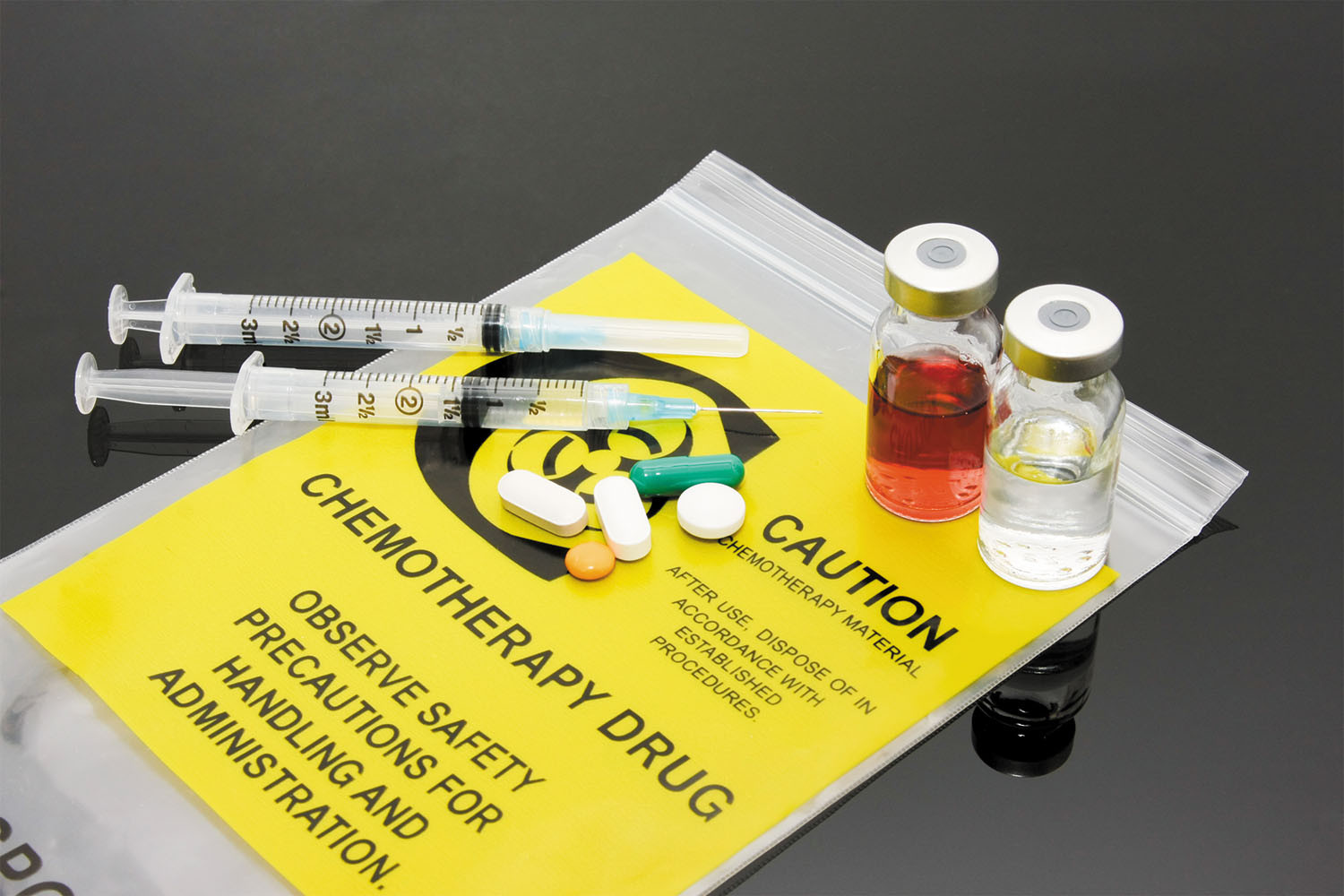
Treatments for breast cancer may harm the heart
But surveillance and other strategies — especially exercise — can limit the risk.
Image: © Khuong Hoang/Getty Images
Better treatments for breast cancer have contributed to the growing number of breast cancer survivors, now about three million in the United States. However, these women may face a heightened risk of heart disease from the cardiotoxic effects of chemotherapy and radiation, according to a statement from the American Heart Association in the Feb. 20, 2018, issue of Circulation.
Doctors have long known that certain cancer drugs can decrease the heart's pumping ability, especially doxorubicin (Adriamycin) and trastuzumab (Herceptin), two common treatments for breast cancer. Many women receive radiation therapy as well, which can cause heart tissue to scar or stiffen, possibly leading to valve disorders, coronary artery disease, or other heart problems. But specialists who focus on keeping the heart healthy during and after cancer treatment — known as cardio-oncologists — can offer strategies to both prevent and treat heart damage from cancer therapy.


Is your drinking becoming a problem?
Here are some signs of an alcohol use disorder — and ways to find the help you need if you suspect you're drinking too much.
Image: © Thomas Northcut/Thinkstock
The thought of hangovers and binge drinking may conjure an image of a college-age student or a 20-something out on the town. But increasingly, those terms apply to people who probably look a lot like you.
Alcohol use problems often start innocently enough in older women. A problem may begin with a drink at night to combat insomnia, says Dr. Olivera Bogunovic, assistant professor of psychiatry at Harvard Medical School. But then one drink turns into two, and a 9 p.m. cocktail turns into all-day drinking, she says.
Does osteoporosis cause any symptoms?
Ask the doctors
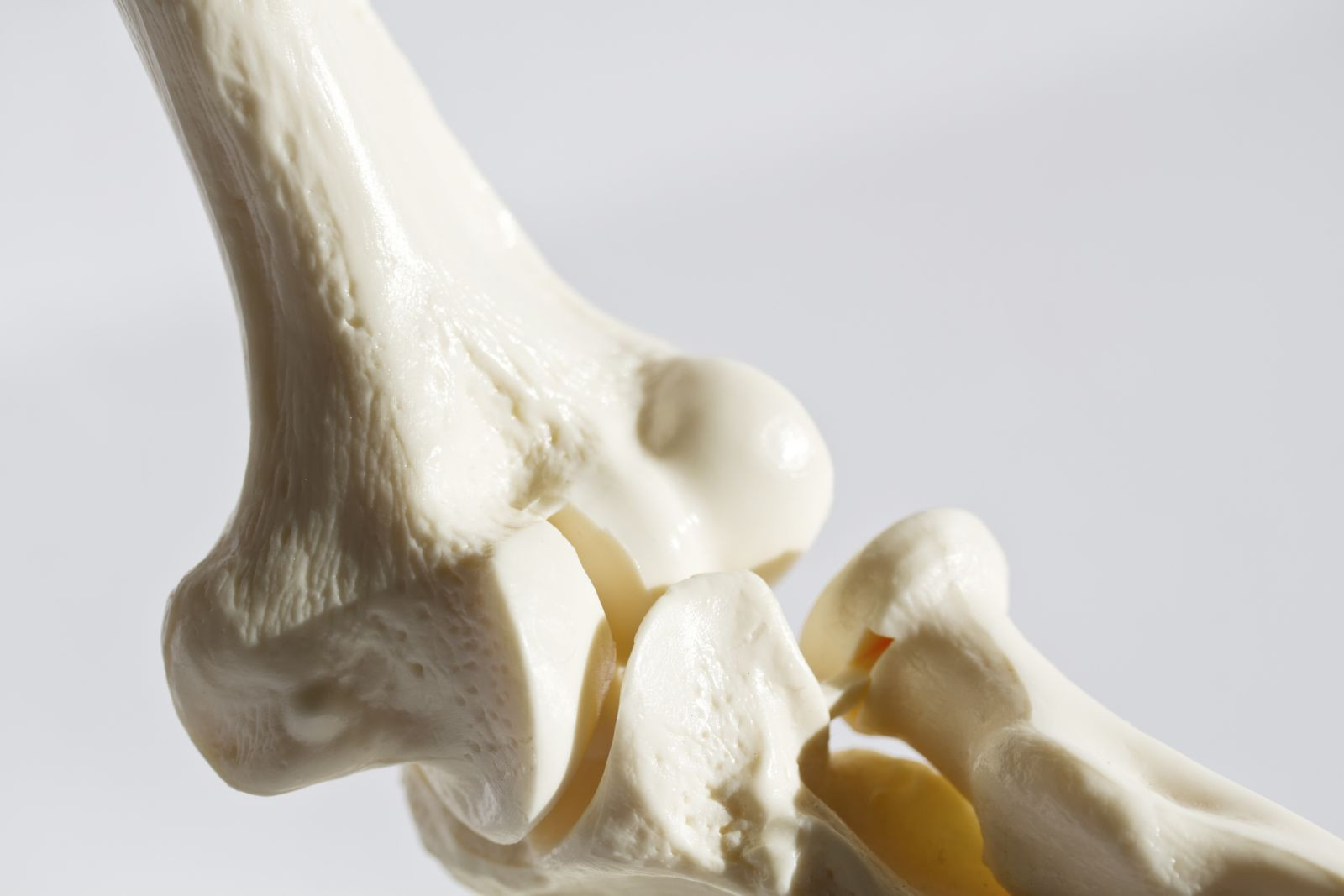
Q. Is there any way to tell if you are getting osteoporosis? Are there symptoms?
A. Osteoporosis is a disease that causes your bones to become weak and brittle and more likely to break. Unfortunately, you probably won't have any symptoms until the disease is advanced or you actually experience a fracture. However, there are two visible clues of osteoporosis: changes in your posture (such as a hunched-over appearance) and loss of height. Both of these changes may be caused when your spine becomes curved or compressed from weakness or tiny fractures (called compression fractures) in your vertebrae, the small bones that make up your spine.

How false assumptions about weight may affect your health
It's called "weight bias," and even health care providers aren't immune.
Image: © Photodisc/Thinkstock
If you've ever delayed a doctor's appointment so you could lose a few pounds before your annual weigh-in, or hesitated to exercise in public because you felt self-conscious among a sea of hard-bodied gym goers, your weight may be affecting your health — but not in the way you might think.
Even if you're otherwise healthy, sometimes excess pounds bring increased health risks, especially if they keep you from following recommended health practices that offer protection over the long term.
Even a little exercise linked with lower stroke risk in people with afib
Testosterone therapy without evidence of deficiency may boost heart risk
Weight-loss drug may lower risk of heart attacks and infections
What to eat on the DASH diet
Migraine: How it's diagnosed and what that means
Tricep workouts you can do at home
Mindfulness practices to reduce stress and improve focus
Antihistamines may not offer meaningful relief from eczema symptoms
Overweight and taking blood pressure medications: Study finds it's a trend that's working
FDA approves first mRNA-based flu vaccine
Free Healthbeat Signup
Get the latest in health news delivered to your inbox!
Sign Up
