

Even a little exercise linked with lower stroke risk in people with afib

Testosterone therapy without evidence of deficiency may boost heart risk

Weight-loss drug may lower risk of heart attacks and infections

What to eat on the DASH diet

Migraine: How it's diagnosed and what that means

Tricep workouts you can do at home

Mindfulness practices to reduce stress and improve focus

Antihistamines may not offer meaningful relief from eczema symptoms

Overweight and taking blood pressure medications: Study finds it's a trend that's working

FDA approves first mRNA-based flu vaccine
Eating for heart health Archive
Articles

Vitamin B12 deficiency can be sneaky and harmful
Like most vitamins, B12 can't be made by the body and must be gotten from food or supplements. A B12 deficiency -- which might stem from a vegan or vegetarian diet, or problems with absorption due to weight loss surgery or aging -- can seriously harm nerves, mood, thinking, energy, and more.

Are certain fruits healthier than others?
Most people have heard the nutritional recommendation to eat five servings of fruit per day. But are some fruits better for you than others? Is it okay to eat dried or frozen fruit, or to drink fruit juice? Does it have to be organic?

People who stop weight-loss drugs may gain back weight and lose heart benefits
A 2026 study suggested that people who stop taking weight-loss medications rapidly regain weight and lose heart health benefits associated with the drugs.
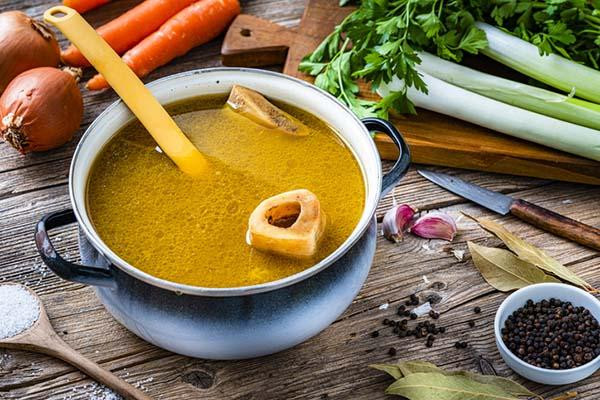
Savoring the benefits of bone broth
Bone broth, made by slowly simmering animal bones with seasonings, offers rich flavor, more protein than regular broth, and amounts of minerals. Choosing low-sodium varieties or making it at home helps limit additives and salt.
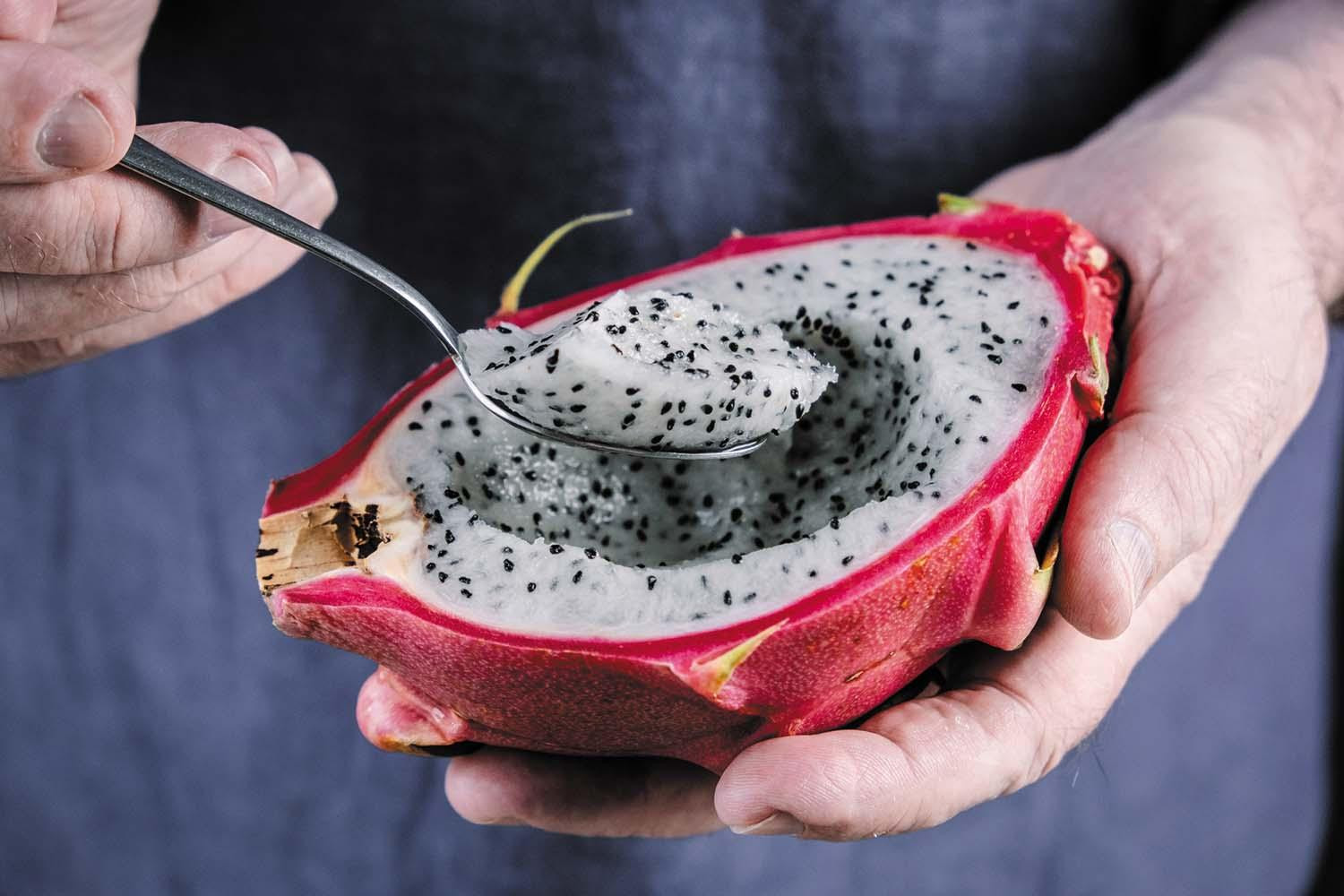
Dragon fruit: How to enjoy this antioxidant-rich fruit
Dragon fruit stands out for its striking look, mild sweetness, and a mix of fiber, minerals, and antioxidant compounds. It isn't a magic "superfood," but it's a healthy, colorful way to help people eat more fruit in fun new ways.

Food that's healthier for people and planet can be cheaper, too
While many people may think that a more sustainable diet is more expensive, a 2025 study suggests that in fact, foods with smaller environmental footprints tend to cost less. Choosing fewer animal-based foods and more plants can be better for health, budgets, and the planet.
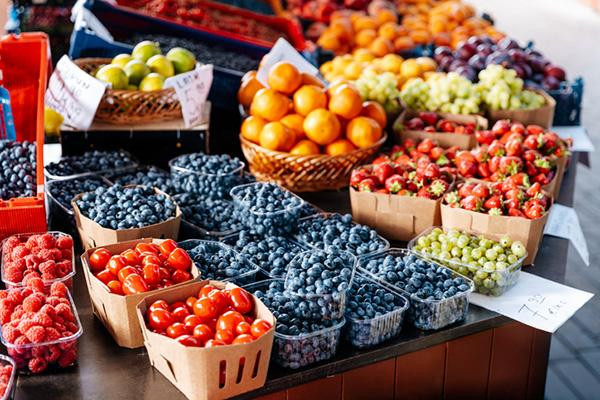
New evidence that polyphenol-rich foods help the heart
A 2025 study suggests that polyphenols, found in a wide range of plant foods, may have long-term benefits for the heart. Over an average of 11 years, people whose diets contained the most polyphenol-rich foods ranked lowest on scores of heart disease risk.

What you need to know about the new dietary guidelines
The new Dietary Guidelines for Americans are a mixed bag. While their advice to choose whole foods, avoid highly processed foods, and limit added sugars is sound, their promotion of animal-based foods like meat and full-fat dairy products is less supported by rigorous scientific research.

How to curb your stress eating
Stress eating involves using food as a coping mechanism when life is difficult. Persistently high levels of cortisol can increase appetite, and past experiences can lead people to associate eating with stressful situations. The foods people crave may depend on their form of turmoil.

8 simple ways to reduce ultra-processed foods in your diet
Cutting back on ultra-processed foods that have little nutritional value can help protect your health, but you don't have to make everything from scratch either. Seek out less-processed versions of your favorite foods at your supermarket to turn into healthy meals with minimal effort.
Even a little exercise linked with lower stroke risk in people with afib
Testosterone therapy without evidence of deficiency may boost heart risk
Weight-loss drug may lower risk of heart attacks and infections
What to eat on the DASH diet
Migraine: How it's diagnosed and what that means
Tricep workouts you can do at home
Mindfulness practices to reduce stress and improve focus
Antihistamines may not offer meaningful relief from eczema symptoms
Overweight and taking blood pressure medications: Study finds it's a trend that's working
FDA approves first mRNA-based flu vaccine
Free Healthbeat Signup
Get the latest in health news delivered to your inbox!
Sign Up
