

Fatty liver disease: Should you be tested?

Even a little exercise linked with lower stroke risk in people with afib

Testosterone therapy without evidence of deficiency may boost heart risk

Weight-loss drug may lower risk of heart attacks and infections

Migraine: How it's diagnosed and what that means

Tricep workouts you can do at home

Mindfulness practices to reduce stress and improve focus

Antihistamines may not offer meaningful relief from eczema symptoms

Overweight and taking blood pressure medications: Study finds it's a trend that's working

FDA approves first mRNA-based flu vaccine
Cholesterol and lipids Archive
Articles

Sugar substitutes: New cardiovascular concerns?
People who use artificial sweeteners such as aspartame (NutraSweet, Equal), acesulfame potassium (Sunnett, Sweet One), and sucralose (Splenda) may have a higher risk of cardiovascular disease compared with people who avoid these products. These zero-calorie sweeteners might not help people lose weight, and experts postulate that artificial sweeteners may trigger inflammation and alter normal metabolism, the gut microbiome, and blood vessels in ways that promote type 2 diabetes, unhealthy cholesterol levels, and high blood pressure.

Shining a light on thoracic aortic disease
A thoracic aortic aneurysm can be small and stable, or it can tear or rupture. People with certain genetic conditions, and those who have a relative who has had this condition, are at higher risk and should be tested.


Muscle pain in statin users is probably not caused by the drug
While muscle pain is a possible side effect of taking statins, most discomfort is not caused by the drug, but most likely a "nocebo effect" where negative expectations can lead to perceived side effects.

Poor physical function may predict cardiovascular disease
A new study suggests that older adults who maintain an high level functional fitness have a lower their risk of heart attack, heart failure, and stroke compared with those who are not as fit.
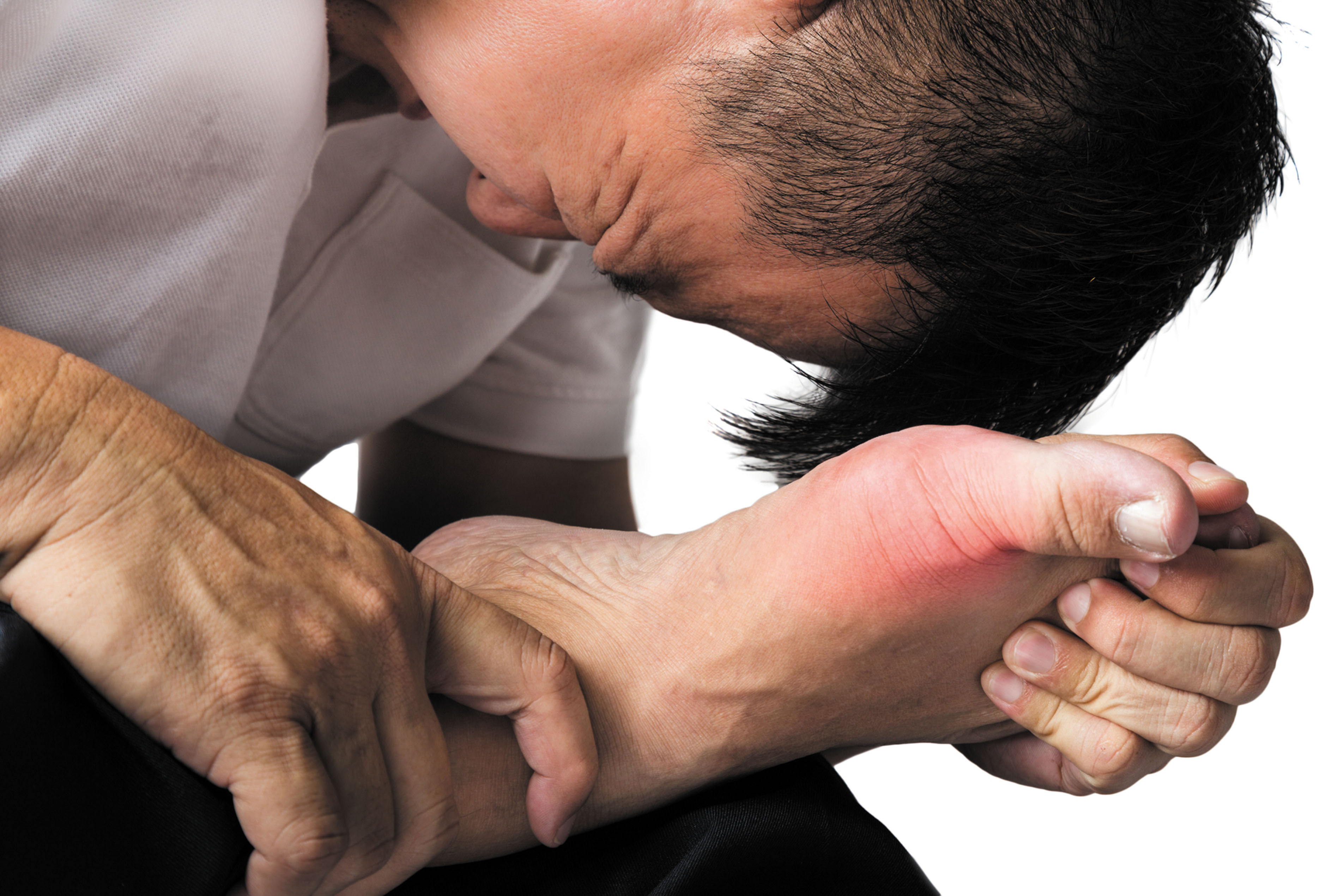
Gout linked with risk for heart attack and stroke
Gout strikes when too much uric acid builds up in the body and triggers severe pain, swelling, and redness in one or more joints, often in the big toe. New research suggests that an episode may increase the risk for a heart attack or stroke over the following two months.

The inside story on pacemakers
The likelihood of someone needing a pacemaker increases with age. This tiny battery-powered device, implanted into the chest, improves abnormal heart rhythms and improves blood flow if the heart does not pump effectively. By helping the heart maintain more normal function, pacemakers enable many individuals with certain heart conditions to resume their normal lifestyle and stay active longer.

Some heart patients need antibiotics before dental work
People with certain heart conditions, including a replaced or repaired heart valve, should take antibiotics before invasive dental procedures. This helps prevent endocarditis, a serious heart infection often caused by bacteria from the mouth.

Polypill may help prevent repeat heart attacks
For heart attack survivors, taking a polypill that contains a blood pressure drug, a cholesterol-lowering statin, and low-dose aspirin may help prevent more future heart attacks and serious heart problems than usual care that includes several separate drugs.

Meal of the month: Vegetable "steaks"
Vegetable "steaks" made from sliced eggplant, cauliflower, squash, or other vegetables can provide a vegetarian option at holiday dinners. Top roasted vegetables with cheese, nuts, herbs, or sauce.
Fatty liver disease: Should you be tested?
Even a little exercise linked with lower stroke risk in people with afib
Testosterone therapy without evidence of deficiency may boost heart risk
Weight-loss drug may lower risk of heart attacks and infections
Migraine: How it's diagnosed and what that means
Tricep workouts you can do at home
Mindfulness practices to reduce stress and improve focus
Antihistamines may not offer meaningful relief from eczema symptoms
Overweight and taking blood pressure medications: Study finds it's a trend that's working
FDA approves first mRNA-based flu vaccine
Free Healthbeat Signup
Get the latest in health news delivered to your inbox!
Sign Up
