

Fatty liver disease: Should you be tested?

Weight-loss drug may lower risk of heart attacks and infections

Testosterone therapy without evidence of deficiency may boost heart risk

Even a little exercise linked with lower stroke risk in people with afib

Antihistamines may not offer meaningful relief from eczema symptoms

What to eat on the DASH diet

Tricep workouts you can do at home

FDA approves first mRNA-based flu vaccine

Migraine: How it's diagnosed and what that means

Mindfulness practices to reduce stress and improve focus
Asthma Archive
Articles
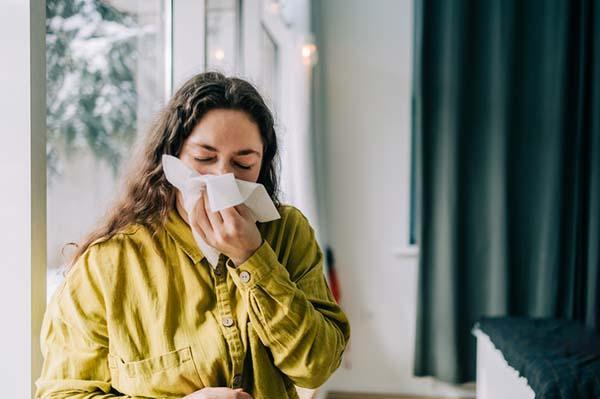
Could mold in the home cause allergy-like symptoms?
Nasal congestion, itchy eyes, fatigue, asthma flares, and skin rashes may trace back to indoor mold. Simple home changes can help cut down exposure.

How often should someone with emphysema get a full pulmonary function test?
Managing emphysema involves more than an occasional lung test. Learn how breathing studies, oxygen checks, and symptoms can be used to track your lung health.

Why does my pneumonia keep returning?
Repeated infections in one lung can point to hidden airway damage, aspiration, immune problems, or inflammation. Tests like CT and bronchoscopy may help identify the cause.

What is an emphysematous bleb?
Tiny air sacs can stretch, rupture, and form bubbles inside the lung. Learn how this damage develops and how smoking can contribute.

Is a lung nodule the same as lung cancer?
Small spots on lung imaging can stem from old infections, irritants, inflammation, or cancer. Learn how doctors judge risk and decide on follow‑up.

Is it normal to cough a lot after you quit smoking?
After quitting smoking, a nagging cough can feel alarming. Discover what's happening in your lungs and when it's time to call a doctor.

What could be causing my persistent cough?
A nagging cough can have many hidden causes. Learn which conditions doctors look for and why a chest x‑ray may be important.

Could asthma or allergies increase my risk of pneumonia?
Asthma, allergies and pneumonia are more connected than you might think. See how airway inflammation and certain medications can affect your risk.

Thunderstorm asthma: Bad weather, allergies, and asthma attacks
Thunderstorm asthma is an attack that starts or worsens after a thunderstorm. It can occur in anyone with asthma, but it most often affects people with seasonal allergies. There are several risk factors that make experiencing this phenomenon more likely, so it's important to know what these are.

Low vitamin D may raise risk for respiratory infections
A 2026 study found that low vitamin D levels may increase the risk of hospitalization for respiratory infections (such as colds, flu, pneumonia, and bronchitis) by as much as 33%. Sunlight, foods containing vitamin D, and supplements help maintain healthy vitamin D levels.
Fatty liver disease: Should you be tested?
Weight-loss drug may lower risk of heart attacks and infections
Testosterone therapy without evidence of deficiency may boost heart risk
Even a little exercise linked with lower stroke risk in people with afib
Antihistamines may not offer meaningful relief from eczema symptoms
What to eat on the DASH diet
Tricep workouts you can do at home
FDA approves first mRNA-based flu vaccine
Migraine: How it's diagnosed and what that means
Mindfulness practices to reduce stress and improve focus
Free Healthbeat Signup
Get the latest in health news delivered to your inbox!
Sign Up
