

Fatty liver disease: Should you be tested?

Weight-loss drug may lower risk of heart attacks and infections

Testosterone therapy without evidence of deficiency may boost heart risk

Even a little exercise linked with lower stroke risk in people with afib

Antihistamines may not offer meaningful relief from eczema symptoms

What to eat on the DASH diet

Tricep workouts you can do at home

FDA approves first mRNA-based flu vaccine

Migraine: How it's diagnosed and what that means

Mindfulness practices to reduce stress and improve focus
Antivirals Archive
Articles

What is sepsis?
Sepsis is the immune system's overwhelming response to infection. It can lead to a dramatic drop in blood pressure that damages vital organs and causes death. Sepsis risk factors include older age, recent surgery, chronic illness, artificial joints, or a suppressed immune system.

How to stay healthy during a drought
With climate change, rising temperatures are making many regions dry within the US and beyond. The effects of droughts on the planet and our health are complex, and include water shortages, higher risk of disease, changes in habitability, and worse air quality.

Toothbrushing can be a literal lifesaver in the hospital
A 2023 study found that patients in intensive care units (ICUs) were less likely to die and spent less time on a ventilator during their stay when their teeth were brushed twice daily. Toothbrushing appears to protect patients from pneumonia, the most common ICU-acquired infection.

Measles: The serious risks of falling vaccination rates
We think of measles as a minor viral infection in children that goes away without complications, but it can have complications, and they can be serious or even fatal. Here's how to protect yourself, your circle, and your community - and why you should.


Fighting inflammation with food
A healthy diet is believed to play a role in warding off chronic inflammation that can lead to chronic diseases such as diabetes, cardiovascular disease, cancer, and cognitive decline. Six types of foods that may help fight chronic inflammation are berries, fatty fish, leafy greens, nuts, seeds, and tomatoes. These foods are all found in a Mediterranean-style diet, which consists of fruits, vegetables, legumes, whole grains, nuts, seeds, lean proteins, and small amounts of dairy foods and olive oil.

Cellulitis: How long does it take to heal on legs?
Cellulitis, a skin infection that often occurs on the lower leg, develops when bacteria enter the body through a cut, bite, or other wound. A new study shows key aspects of healing typically occur within 10 days of treatment, but symptoms can linger for some time after that.
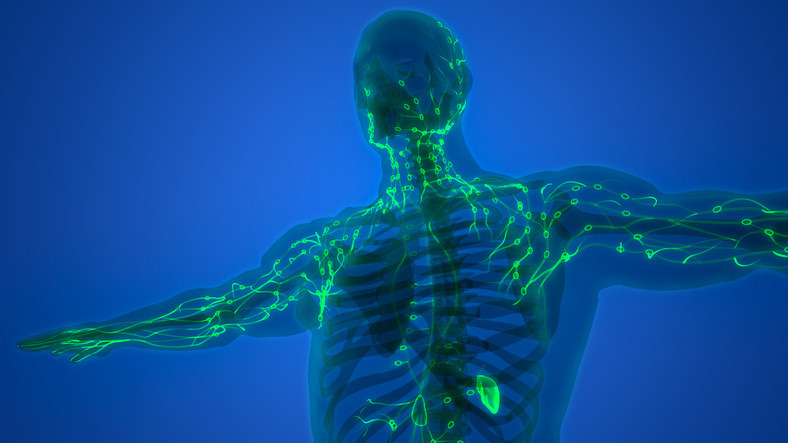
Wondering what your lymph nodes have done for you lately?
The human body has hundreds of lymph nodes, one part of the immune system that helps defend the body against health threats. They aren't usually noticeable, but they are always working to deal with potential health problems.

Do I need any more COVID vaccinations?
Who should get COVID vaccine boosters and when will remain in flux for at least another year. This summer, the FDA instructed the vaccine makers to have the next COVID vaccine target the XBB.1.5 Omicron subvariant. The CDC will be issuing specific recommendations by October, but infectious disease experts expect the newer vaccine to provide the most benefit for people over 65 and those younger with chronic conditions.
Fatty liver disease: Should you be tested?
Weight-loss drug may lower risk of heart attacks and infections
Testosterone therapy without evidence of deficiency may boost heart risk
Even a little exercise linked with lower stroke risk in people with afib
Antihistamines may not offer meaningful relief from eczema symptoms
What to eat on the DASH diet
Tricep workouts you can do at home
FDA approves first mRNA-based flu vaccine
Migraine: How it's diagnosed and what that means
Mindfulness practices to reduce stress and improve focus
Free Healthbeat Signup
Get the latest in health news delivered to your inbox!
Sign Up
