

People who walk more or walk faster live longer, study finds

For sleep apnea, a dental device may be as effective as CPAP

Rosacea treatments: What works?

Carb cycling: What is it, and does it work?

Understanding orthorexia: Have your healthy eating goals gone too far?

Melatonin or magnesium: Can either supplement help you sleep?

Salmonella, E. coli, Cyclospora, and other germs that cause food poisoning: What you need to know

Naturally gluten-free foods

Harvard study: Healthier fats linked to longer life after prostate cancer diagnosis

Shingrix shingles vaccine linked with lower heart disease risks
Alzheimer's & Dementia Archive
Articles

Bridging the gap: Dementia communication strategies
Communicating with someone with dementia can be tricky, since their ability to understand others and express themselves fluctuates and declines. Certain communication strategies can help smooth interactions between caregivers and dementia patients. They include being an active listener, avoiding confrontation, agreeing with the patient's reality, removing distractions, using shorter sentences and smaller words, asking yes-or-no questions, using written lists and schedules, and incorporating touch.


Tackling the top stressors for dementia caregivers
Caring for a person with dementia is physically, emotionally, logistically, and financially demanding. Caregivers can benefit from numerous services, such as caregiver support groups; respite care; and dementia care navigators, such as the local Area Agency on Aging (which can provide a long list of resources) or a local hospital dementia care program. It can also help to speak to doctors about consolidating appointments for the person with dementia and to reach out to family and friends to ask for assistance.

Musical engagement may help lower dementia risk
A 2025 study found that adults ages 70 and older who listened to music most days or played a musical instrument at least weekly may have a lower risk of developing dementia than those who did neither.

The new Alzheimer's blood test: What it means for diagnosis
In May 2025, the FDA approved the first blood test to detect the early stages of Alzheimer's disease. The test looks for several proteins associated with Alzheimer's disease. About 80% of the time, the blood test is either highly positive or highly negative, a result that's accurate more than 90% of the time. Doctors expect that the test will soon be covered by insurance. If that happens, the test will become the standard of care for people ages 55 and older with Alzheimer's signs or symptoms.

What's the relationship between diabetes and dementia?
It has been known for many years that type 2 diabetes increases a person’s risk for stroke and heart disease, and more recent studies have shown that diabetes also increases risk of dementia. But new research examined the association between when a person first is diagnosed with diabetes and their risk of developing dementia later.
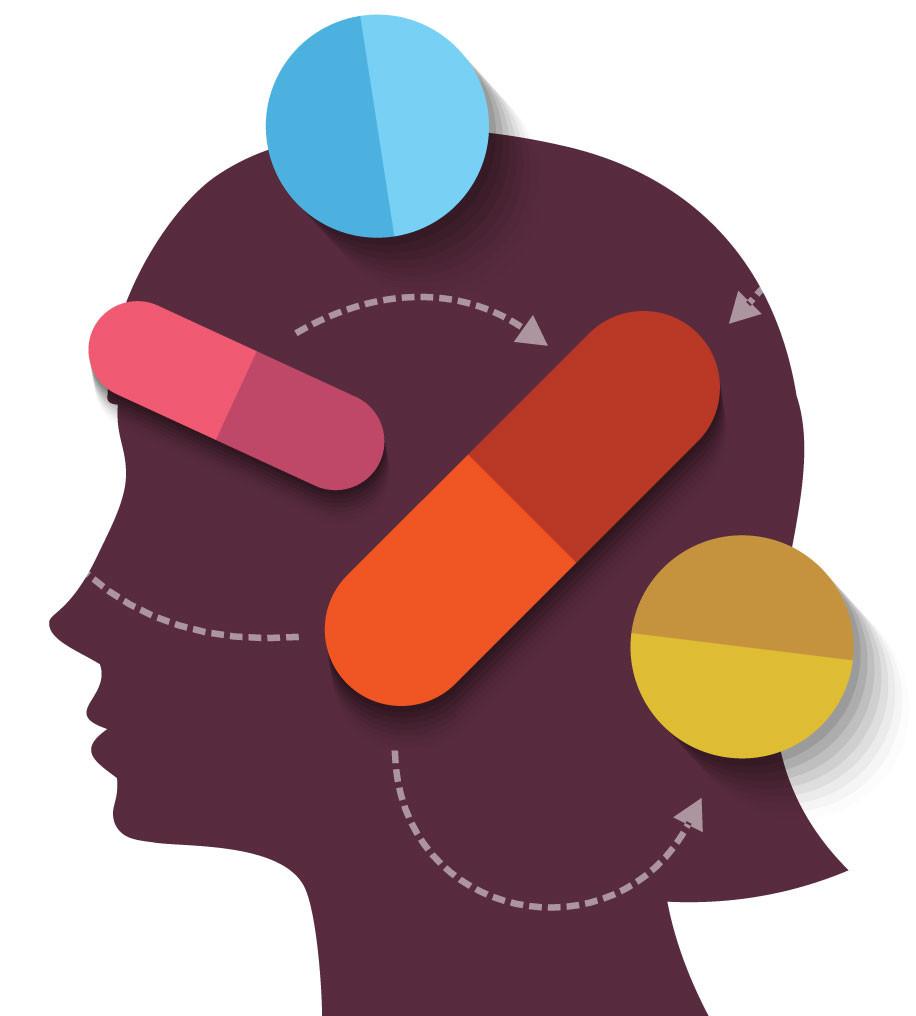
Two types of drugs you may want to avoid for the sake of your brain
Benzodiazepines and drugs with strong anticholinergic effects have been linked to Alzheimer's disease in people who take them. There are alternatives to both types.
People who walk more or walk faster live longer, study finds
For sleep apnea, a dental device may be as effective as CPAP
Rosacea treatments: What works?
Carb cycling: What is it, and does it work?
Understanding orthorexia: Have your healthy eating goals gone too far?
Melatonin or magnesium: Can either supplement help you sleep?
Salmonella, E. coli, Cyclospora, and other germs that cause food poisoning: What you need to know
Naturally gluten-free foods
Harvard study: Healthier fats linked to longer life after prostate cancer diagnosis
Shingrix shingles vaccine linked with lower heart disease risks
Free Healthbeat Signup
Get the latest in health news delivered to your inbox!
Sign Up
