Sweet dreams: Can CBD gummies help you sleep?
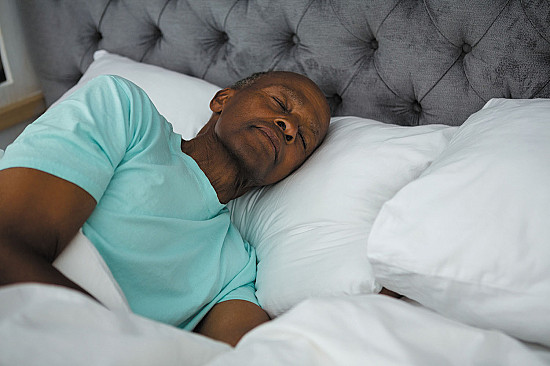
For some people, CBD and other compounds in cannabis can improve sleep. Here's what you need to know before trying gummies or related products.
- Reviewed by Staci Gruber, PhD, Contributor
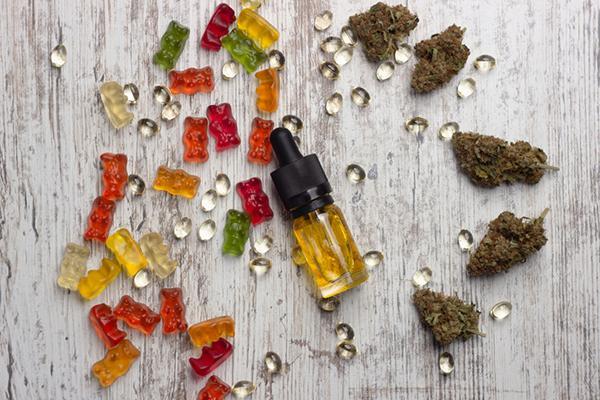
People have long used marijuana (cannabis) to relax and unwind. Now that this drug is legally available in many places and in many forms (including sweet, chewy gummy candies), using cannabis as a sleep aid has become increasingly popular. Greater awareness of the link between inadequate sleep and health problems could be contributing to this trend, along with safety concerns about conventional sleep medications. If you're in the weeds when it comes to choosing a CBD gummy, here's some perspective and advice.
"If you're having trouble sleeping and are interested in exploring cannabis as a way to help, realize that it's not as simple as getting something from a friend, dropping by a dispensary, or buying something you find online," says Dr. Staci Gruber, associate professor of psychiatry at Harvard Medical School and director of the Marijuana Investigations for Neuroscientific Discovery Program at McLean Hospital. Her main message: Buyer beware.
Cannabis constituents
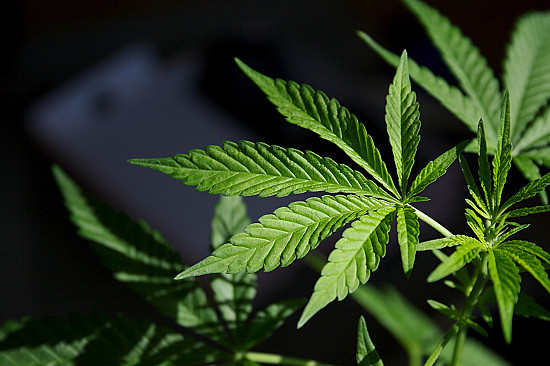
Cannabis contains more than 500 unique compounds, each with different effects. The two best known are tetrahydrocannabinol (THC), which produces intoxication and euphoria (the well-known "high"), and cannabidiol (CBD), which lacks intoxicating properties but may help quell seizures, pain, and anxiety. A 2024 randomized trial published in Experimental and Clinical Psychopharmacology found that another component, cannabinol (CBN), may improve sleep, including reducing nighttime awakenings.
Other studies suggest that CBD, either alone or with small amounts of THC, may help people fall asleep faster and stay asleep longer, Dr. Gruber says. A 2022 review of previous research on cannabinoids and sleep disorders noted that while enthusiasm for using cannabis for sleep may have surpassed the available evidence, there's a strong rationale for doing more research in this realm.
Choosing a cannabis product for sleep
Currently, anyone in the US can purchase CBD-based products derived from hemp, a variety of cannabis with low THC levels. States that have legalized marijuana for medical or recreational purposes require cannabis producers to test the potency of CBD, THC, and sometimes other cannabinoids in their products. Many states also require testing for contaminants, including pesticide residues and heavy metals. The results of lab tests are typically provided as a Certificate of Analysis, or COA. "These certificates are not always required or available for hemp-derived products. Also, these may contain laboratory-created compounds including synthetic or semi-synthetic cannabinoids, which I don't recommend," says Dr. Gruber.
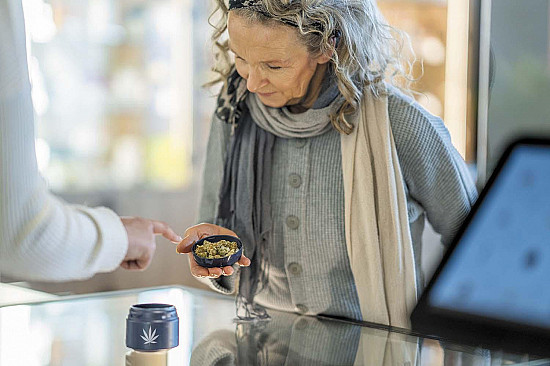
Nearly 80% of Americans live in a county with at least one cannabis dispensary, which can be a good place to start. Tell the salesperson you're interested in a product that won't necessarily make you high but will help you fall asleep, stay asleep, or both, Dr. Gruber says. Sometimes, chronic pain, anxiety, or just feeling like you can't turn off your brain at night may be interfering with your sleep. Products featuring mostly CBD, CBN, and other non-intoxicating cannabinoids may help address these other challenges. Some contain very small amounts of THC, which theoretically enhances the overall benefits (a hypothesis known as the entourage effect). Be sure to ask for a COA for any product you're considering.
Recognize that different formulations influence how quickly the effects kick in and how long they last. Fruit-flavored cannabis gummies are popular, but tinctures (oils that you take as drops under the tongue) make it easier to slowly ramp up your dose to get the desired effect. Because a tincture is absorbed into the bloodstream relatively quickly, you may feel the effects in 15 to 45 minutes, and they may last several hours. Gummies and other edibles take between one and three hours to kick in, and the effects may last up to eight hours. Individual differences such as age and underlying health conditions (both physical and mental) can also influence your response to cannabis.
"A chronic sleep problem isn't something that you can resolve immediately, with one single dose on one evening. It often takes a bit of trial and error to figure out what works for you," says Dr. Gruber. Start low and go slow, she advises.
Cannabis side effects
Many people like the idea of cannabis products for sleep since they don't seem to have any next-day effects, particularly those that include mostly CBD and CBN, says Dr. Gruber. But with any edible cannabis product, whether it's a gummy, brownie, beverage, or tincture, people can be more sensitive to it than expected, or might take too much if they're impatient to feel the effects. In addition to drowsiness, high levels of CBD may cause such side effects as diarrhea, appetite changes, and dry mouth. In high amounts, THC can disrupt sleep or even trigger a panic attack, including a pounding heart or palpitations.
CBD can also interact with certain medications because it competes for the same liver enzymes that metabolize many common drugs. That competition can alter how long each substance stays in your system. Older adults - the fastest-growing group of cannabis users in the nation - tend to take more prescription medications, so they're more likely than younger people to experience drug interactions with cannabis. Check with your doctor about potential conflicts with your prescriptions and supplements before using cannabis. See the Harvard Health Publishing reportA Guide to Medical Marijuana for more information.
Image: © Nyaaka Photo/Getty Images
About the Author

Julie Corliss, Executive Editor, Harvard Heart Letter
About the Reviewer

Staci Gruber, PhD, Contributor
Disclaimer:
As a service to our readers, Harvard Health Publishing provides access to our library of archived content. Please note the date of last review or update on all articles.
No content on this site, regardless of date, should ever be used as a substitute for direct medical advice from your doctor or other qualified clinician.