








What causes a slow heartbeat?
Ask our experts
- Reviewed by Howard E. LeWine, MD, Chief Medical Editor, Harvard Health Publishing; Editorial Advisory Board Member, Harvard Health Publishing

Q. What would cause a person to have a slow heartbeat?
A. First, let's clarify what we mean by slow heartbeat. Doctors say someone has a slow heart rate (bradycardia) when the pace is lower than 60 beats per minute.
The most common reason to have a slow heart rate is taking a beta blocker medication or being physically fit.
The best reason is being fit. If you exercise more, your heart can supply your body when it is at rest with fewer beats per minute. High-performance athletes often have heart rates in the 40s.
There is essentially no heart rate that is too slow - as long as your body is getting all the blood it needs.
How can you tell if your body is not getting all the blood it needs? Unfortunately, the first sign is passing out. Fainting spells are a sign that the heart is going abnormally slow, and the brain is not getting enough oxygen.
In the elderly, a heart attack or some other disease that causes scarring within the heart can damage the heart's electrical system. Sometimes, as the heart's electrical system is slowly damaged, the heart will have periods when it races and other times when it goes very slowly. People with this problem often need pacemakers to keep the heart rate up during the slow periods.
In addition to taking a beta blocker, the heart rate also slows down with a few other medical conditions. These do not originate in the heart, but they do affect it. For example, people with an underactive thyroid gland (hypothyroidism) will often have a slow heartbeat.
If you have any lightheadedness, shortness of breath, or decreased exercise tolerance along with a slow heart rate, you need medical evaluation. In the office, your doctor will likely first perform an electrocardiogram. If it appears normal, your doctor can have you walk up a flight of stairs while measuring your heart rate. If it speeds up and you have no symptoms, most often that will be reassuring.
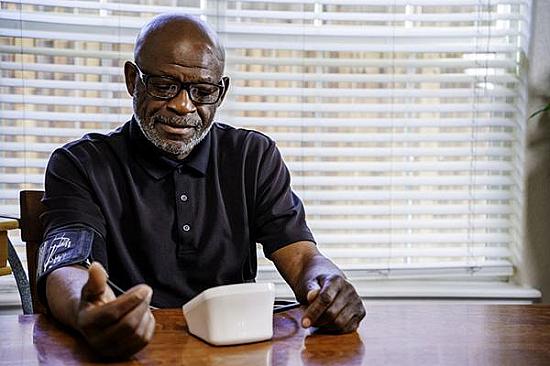
Image: © PeopleImages/Getty Images
About the Reviewer
Howard E. LeWine, MD, Chief Medical Editor, Harvard Health Publishing; Editorial Advisory Board Member, Harvard Health Publishing
Disclaimer:
As a service to our readers, Harvard Health Publishing provides access to our library of archived content. Please note the date of last review or update on all articles.
No content on this site, regardless of date, should ever be used as a substitute for direct medical advice from your doctor or other qualified clinician.