










How soon can I start exercising again after the flu?
Ask the doctor
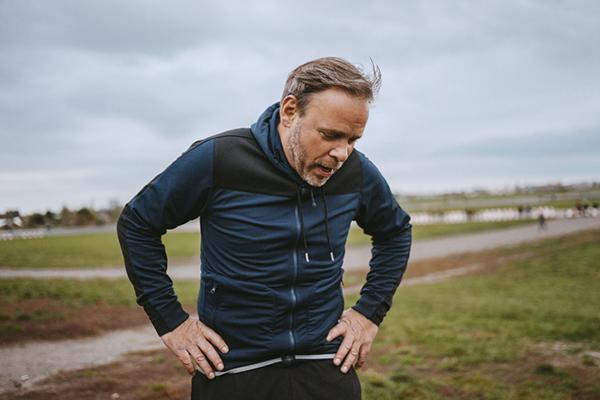
Q. I'm just recovering from the flu and am wondering how quickly I can safely get back to my workouts. I've read that doing too much too soon can increase the risk of heart infections. What is "too much, too soon" in this case?
A. Indeed, you are correct. The recommendations about returning to exercise after illness are vague. The reason is that response to illness is so variable.
Here is some generally accepted guidance.
For people who have a cold or simple upper respiratory infection without fever or significant cough, exercise is generally safe. You want to cut your intensity and duration of exercise in half. If you feel good over the next few hours, you can increase how much you do the next time you work out. However, if you feel exhausted after exercising, then skip two to three days before exercising again.
With flu or other illness that causes high fever, muscle aches, and fatigue, wait until the fever is gone before getting back to exercise.
The first workout after this kind of illness should be very light, making sure that you are not getting short of breath. You will want to progress more slowly as you return toward your normal routine. If you usually exercise daily, I advise working out every other day for the seven to 10 days after illness.
Viral infections, such as the flu, can cause temporary muscle weakness. This includes the muscle cells in the heart. Exercising won't cause a heart infection, but a heart weakened by a viral infection could be hurt by strenuous exercise. Go low (low intensity) and go slow (short duration). If you feel any shortness of breath, this is not the time to push it.
Image: © Maskot/Getty Images
About the Author
Howard E. LeWine, MD, Chief Medical Editor, Harvard Health Publishing; Editorial Advisory Board Member, Harvard Health Publishing
Disclaimer:
As a service to our readers, Harvard Health Publishing provides access to our library of archived content. Please note the date of last review or update on all articles.
No content on this site, regardless of date, should ever be used as a substitute for direct medical advice from your doctor or other qualified clinician.


