Harvard Heart Letter: June 2007
Did you know?
You can get instant online access to all of the articles from the June 2007 issue of Harvard Heart Letter for only $5.00.
Already a subscriber to this newsletter? Login for complete instant access.
Articles in this issue:
Yellow light on pain relievers
While there is a risk of adverse effects from any pain reliever, most people can take them safely. Use common sense, and have your blood pressure checked regularly if you are in a higher risk group due to heart disease.
Reception still fuzzy for fast CT scans of the heart
A new type of CT scan produces a clearer image of the heart than current methods, and without the need for an invasive catheter. Though there are some drawbacks to its use, the test may be helpful in emergency settings, when a quick diagnosis is needed.
COURAGE to make choices
A long-term study of treatment for stable coronary artery disease found that angioplasty was no better than the combination of medication and lifestyle changes at preventing future heart disease or prolonging life.
Heart Beat: Big bend for blood pressure?
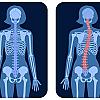
A study reports that if the vertebra that supports the skull is misaligned, careful manipulation of it may result in a significant drop in blood pressure.
Heart Beat: High pulse pressure poses risk for atrial fibrillation
Pulse pressure is the difference between the high and low blood pressure measurements. A high pulse pressue (larger than 40) may lead to the development of atrial fibrillation, an irregular heart rhythm.
In Brief
Generic versions of the blood-pressure drug Norvasc will save consumers money. A high-fiber diet may lower C-reactive protein, which contributes to inflammation of arteries.
Heart Beat: A heartfelt legacy from long-lived parents
According to the long-term Framingham Heart Study, having parents who live to age 85 or beyond may offer a greater degree of protection from heart disease and stroke.
Heart Beat: More evidence against trans fats
Researchers measured the amount of trans fat in blood cells and found that those with higher levels in their blood had a higher risk of having a heart attack or dying of heart disease.
Follow-up
New guidelines for CPR say to do chest compressions only and skip mouth-to-mouth breaths. Scientists are still looking for ways to boost HDL cholesterol. Periodontal treatment may be beneficial to the heart and arteries.
Ask the doctor: Can I stop taking my blood pressure medicine?
After taking atenolol for years, my doctor suggested cutting the dose. Then my cardiologist suggested that I stop taking it altogether. On the first day I didn't take it I felt "buzzed." My pressure began to creep upward. Did I bail out too quickly?
Ask the doctor: Should I take nitroglycerin during exercise?
I have a prescription for nitroglycerin, but I rarely need it. Every once in a while on the treadmill, I feel my chest tighten up. I take a pill, then continue exercising. I read a column by a doctor who said this is "ludicrous." What do you think?
A road map to life in the fat lane
The body's process of turning fat into artery-blocking plaque is described and illustrated.