

Even a little exercise linked with lower stroke risk in people with afib

Testosterone therapy without evidence of deficiency may boost heart risk

Weight-loss drug may lower risk of heart attacks and infections

What to eat on the DASH diet

Migraine: How it's diagnosed and what that means

Tricep workouts you can do at home

Mindfulness practices to reduce stress and improve focus

Antihistamines may not offer meaningful relief from eczema symptoms

Overweight and taking blood pressure medications: Study finds it's a trend that's working

FDA approves first mRNA-based flu vaccine
Nutrition
- Reviewed by Mallika Marshall, MD, Contributing Editor
Proper nutrition helps keep energy levels up and protects against many age-related illnesses and diseases like heart disease, cancer, and diabetes. But how do you maintain an eating routine and diet that keeps you and your family healthy and works within your lifestyle and budget?
What is nutrition and why is nutrition important?
At the most basic level, nutrition is about eating a regular, balanced diet. Good nutrition helps fuel your body. The foods you eat supply the nutrients your body needs to maintain your brain, muscle, bone, nerves, skin, blood circulation, and immune system. Proper nutrition also helps protect you from illness and disease such as heart disease, diabetes, cancer, and osteoporosis.
There are two major classes of nutrients in food: macronutrients and micronutrients. Macronutrients are carbohydrates, protein, and fat. They supply energy (in the form of calories) and serve as the building blocks for muscles and tissues.
In comparison, micronutrients are individual vitamins and minerals. They are divided into four categories: water-soluble vitamins, fat-soluble vitamins, microminerals, and trace minerals.
What foods are healthy?
For optimal health, science supports following a plant-based diet like the Mediterranean-DASH (Dietary Approaches to Stop Hypertension) diet, and MIND (Mediterranean-DASH Diet Intervention for Neurodegenerative Delay) diet. Plant-based diets have been shown to have various health benefits and are linked with a lower risk of heart disease, cancer, and other chronic illnesses.
With so many food options available with plant-based diets, there are many healthy recipes you can make.
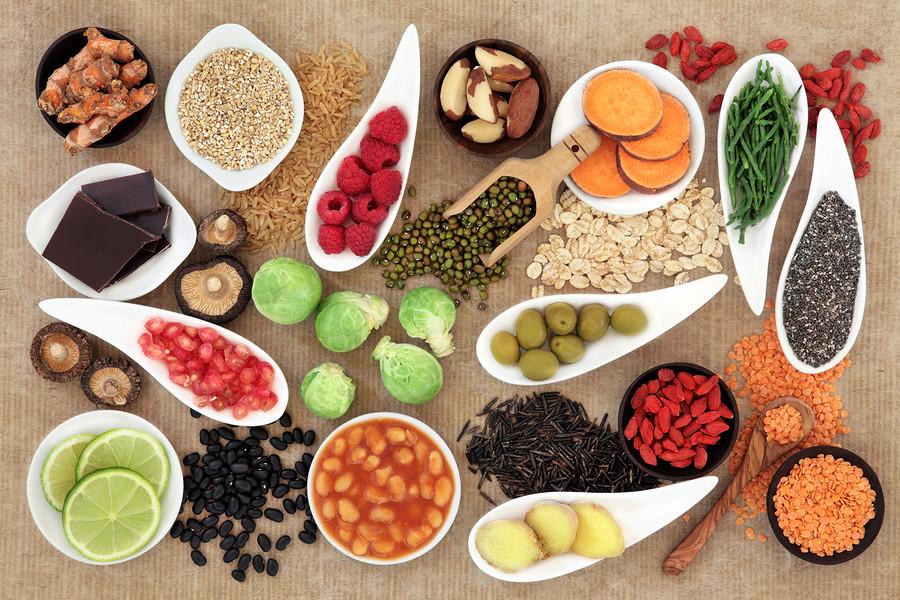
While most foods in plant-based diets offer important health benefits, certain ones stand out. These "superfoods" pack the biggest nutritional punch. People should try to eat some of these healthy foods every day or as often as possible. They include the following:
- Berries. High in fiber, berries are naturally sweet, and their rich colors mean they are high in antioxidants and disease-fighting nutrients.
- Fatty fish. Fatty fish can be a good source of protein and omega-3 fatty acids, which help prevent heart disease. Those with the highest omega-3 content are salmon, mackerel, trout, anchovies, and sardines.
- Leafy greens. Dark, leafy greens are a good source of vitamin A, vitamin C, and calcium, as well as several phytochemicals (chemicals made by plants) that fight inflammation and protect cells from damage.
- Nuts. Hazelnuts, walnuts, almonds, and pecans are good plant protein sources. They also contain monounsaturated fats, which may be a factor in reducing the risk of heart disease.
- Olive oil. Olive oil is a good source of vitamin E, polyphenols, and monounsaturated fatty acids, all of which help reduce the risk of heart disease.
- Whole grains. A good source of soluble and insoluble fiber, whole grains also contain several B vitamins and minerals. They have been shown to lower cholesterol and protect against heart disease and diabetes.
- Yogurt. A good source of calcium and protein, yogurt contains live cultures called probiotics. These "good bacteria" can protect the body from other harmful bacteria.
- Cruciferous vegetables. These include broccoli, Brussels sprouts, cabbage, cauliflower, collard greens, kale, kohlrabi, mustard greens, radishes, and turnips. They are an excellent source of fiber, vitamins, and phytochemicals, which may help prevent some types of cancer.
- Legumes. This broad category includes kidney, black, red, and garbanzo beans, soybeans, and peas. Legumes are an excellent source of fiber, folate, and protein; studies show they can help reduce the risk of heart disease.
What does a typical healthy meal from a plant-based diet look like? A great visual guide is the Harvard Healthy Eating Plate. It shows the proportions of the healthy foods you should eat. At most meals, try to fill half of your plate with vegetables and fruit, a quarter with whole grains, and the final quarter with lean protein.
Should you take daily vitamins?
"Dietary supplement" is an umbrella term. It includes individual vitamins, such as A, B, C, D, E, and K, and minerals like calcium; multivitamins (a product that contains 10 or more vitamins, minerals, or both); and specialized senior or gender-specific formulas that contain various combinations of vitamins, minerals, and other compounds.
Should you take a daily supplement?
Even though supplements are popular, there is limited evidence they offer significant health benefits or help protect against disease. For the average healthy adult, eating a balanced diet with plenty of fruits and vegetables provides all the essential vitamins and minerals.
However, there are situations when people may need a dietary supplement, such as those diagnosed with a vitamin deficiency that's been confirmed by a blood test, those who have trouble getting certain vitamins from foods, or those who suffer from conditions that require extra vitamins or minerals.
For example, strict vegans may not get enough vitamin B12, which is found primarily in animal products. Low levels of vitamins B12 and B6 can stem from digestive disorders such as Crohn's disease, celiac disease, and ulcerative colitis, conditions that make it difficult to absorb nutrients. Adults diagnosed with osteoporosis may require extra vitamin D and calcium beyond what they get from their regular diet. Moreover, people who are lactose intolerant and avoid dairy products may not get enough vitamin D and calcium.
Doctors have differing opinions about dietary supplements. Some believe they are not necessary. Others take a "might-help-won't-hurt" approach to fill in nutritional gaps in one's diet. And studies have shown that taking dietary supplements as prescribed usually doesn't cause serious issues.
If you want to explore taking a supplement, first check with your doctor. He or she can advise whether they are needed and help choose the appropriate over-the-counter brand. The FDA monitors disease-related claims on dietary supplement labels but does not ensure whether a product contains the ingredients listed on its label.
Nutrition for older adults
Proper nutrition becomes even more important after men and women reach age 50. It helps keep energy levels up and protects against many age-related illnesses and diseases like heart disease, cancer, and diabetes.
But is there a best diet for men and women over 50?
There is no single way to eat for good health. While everyone needs carbohydrates, fat, and protein, there is no "magic" ratio that you should strive for as long as you avoid extremes. In fact, recent studies have found that the quality of the food is more important than whether it's low-fat, low-carb, or somewhere in between.
While details may vary from diet to diet, all healthy eating plans have four basic principles in common:
- Lots of plants. Plant foods - vegetables, fruits, legumes, whole grains, nuts, and seeds - offer a wealth of vitamins and minerals. They also contain fiber and healthful compounds called phytochemicals, natural substances in plants that provide a range of health benefits, including antioxidant, anti-inflammatory, and even anti-cancer activity.
- Adequate protein. Abundant research shows it's essential to eat enough protein. There are many protein sources, but plant protein (beans, lentils, soy foods, nuts, seeds) and fish offer the most health benefits.
- Minimally processed foods. A diet high in ultra-processed foods causes weight gain and unhealthy shifts in blood sugar and cholesterol. Food processing often strips away nutrients while adding extra fats, sugars, sodium, additives, and preservatives.
- Limited saturated fats, added sugars, and sodium. The U.S. government's Dietary Guidelines for Americans recommend limiting saturated fat intake to less than 10% of daily calories. The same goes for added sugars (sugars added during processing). As for sodium, keep it below 2,300 milligrams (mg) per day - the average American consumes far too much, more than 3,400 mg per day.
Meal prep ideas
Healthy eating doesn't have to be hard. With a bit of preparation and planning, it can be easy to create healthy meals for the entire week. Meal prep has many benefits: It can help save time and money and help with portion control for weight management. It also reduces the stress of daily decisions about what to eat.
Here are some steps on how to meal prep.
Gather meal ideas. Collect healthy recipes and save them in a binder, or copy recipe links onto an online spreadsheet. Consider specific meals or foods for different days of the week, like Meatless Mondays, Whole Grain Wednesdays, and Stir-Fry Fridays.
Begin small. Create enough dinners for two to three days of the week, and then go from there.
Pick a day. Choose a specific day of the week to do the following:
- Plan the menu (whether weekly or for several days) and write out your grocery list.
- Grocery shop.
- Meal prep.
Some of these days may overlap, but breaking up these tasks can keep meal planning manageable.
Cook in order. On meal prep day, focus first on foods that take the longest to cook. If you prefer not to pre-cook proteins, consider marinating poultry, fish, or even tofu on your prep day so you can pop them into the oven or stir-fry them later in the week.
Multitask. While foods are baking or bubbling on the stovetop, chop vegetables and fresh fruit, or wash and dry salad greens for later in the week.
Make extras. When possible, make extra portions of recipes for another day or two of meals, or freeze them for the following week.
Storage. Label all prepped items with a date so that you can track when to use them. Rotate stored items so that the oldest foods/meals are kept up front. Store highly perishable items like greens, herbs, and chopped fruits front and center at eye level, so you remember to use them. Freeze cooked meals in airtight containers.
Stock up. Work at stocking your kitchen with the following staples. This ensures you always have the basics on hand for meal prep and when you need to suddenly whip up healthy meals.
- For your fridge: fruits, vegetables, dark leafy greens, low-fat cheese, fresh salsa, plain yogurt, eggs, chicken, low-fat milk, pesto, light mayonnaise, hummus, and lemons.
- For your freezer: a variety of frozen vegetables (without sauce), poultry, fish, and berries.
- For your cupboard: brown rice, quinoa, oatmeal, whole-grain cereal, whole-grain tortillas, whole-wheat pasta, whole-grain bread, nuts and seeds, peanut butter, onions, sweet potatoes, garlic, canned beans (low sodium), canned fish (sardines, tuna, salmon), low-sodium soup, canned tomatoes, low-sodium chicken and vegetable broth, tomato paste, olive oil, balsamic vinegar, mustard, herbs, and spices.
Even a little exercise linked with lower stroke risk in people with afib
Testosterone therapy without evidence of deficiency may boost heart risk
Weight-loss drug may lower risk of heart attacks and infections
What to eat on the DASH diet
Migraine: How it's diagnosed and what that means
Tricep workouts you can do at home
Mindfulness practices to reduce stress and improve focus
Antihistamines may not offer meaningful relief from eczema symptoms
Overweight and taking blood pressure medications: Study finds it's a trend that's working
FDA approves first mRNA-based flu vaccine
Free Healthbeat Signup
Get the latest in health news delivered to your inbox!
Sign Up
