

Fatty liver disease: Should you be tested?

Weight-loss drug may lower risk of heart attacks and infections

Testosterone therapy without evidence of deficiency may boost heart risk

Even a little exercise linked with lower stroke risk in people with afib

Antihistamines may not offer meaningful relief from eczema symptoms

What to eat on the DASH diet

Tricep workouts you can do at home

FDA approves first mRNA-based flu vaccine

Migraine: How it's diagnosed and what that means

Mindfulness practices to reduce stress and improve focus
Weight loss and management Archive
Articles

Sweetened drinks and heart failure
Image: Bigstock
News briefs
Here's another reason to take sweetened drinks out of your diet: a study published online Nov. 2, 2015, by the journal Heart suggests that drinking sweetened beverages each day is linked to an increased risk for heart failure in men. Heart failure is a gradual decline in the heart's ability to pump enough blood to meet the body's needs. Researchers tracked the dietary information of 42,000 middle-aged or older men in Sweden from 1998 to 2010. They made no distinction between types of drinks or how they were sweetened, whether it was with sugar, fructose, or artificial sweetener. However, coffee, tea, and fruit juice were not included in the study. After excluding potentially influential factors, researchers noted that men who drank at least two daily servings of sweetened drinks had a 23% heightened risk of developing heart failure compared with men who didn't drink sweetened beverages. The study didn't prove that sweetened drinks caused heart failure. In fact, the researchers pointed out that drinking a lot of sweetened beverages is usually an indication of a poor diet, which is a risk factor for heart failure in itself. But they also noted that sweetened drinks are associated with obesity and type 2 diabetes, which are risk factors for heart failure, too. Best advice: avoid sweetened beverages or at least limit them to occasional consumption.

The Nordic diet: A northern twist to the Mediterranean diet
Image: iStock
With a focus on whole grains, berries, and fish, Northern European cuisine has some heart-friendly features.
If you've never heard of the Nordic diet, you might imagine a plate of those Swedish meatballs sold at Ikea. In fact, this eating style focuses on healthier fare, including an abundance of the plant-based foods nutritionists always encourage us to eat. And while the data are limited so far, some studies suggest that following a Nordic eating pattern may foster weight loss and lower blood pressure—both of which are good for the heart.
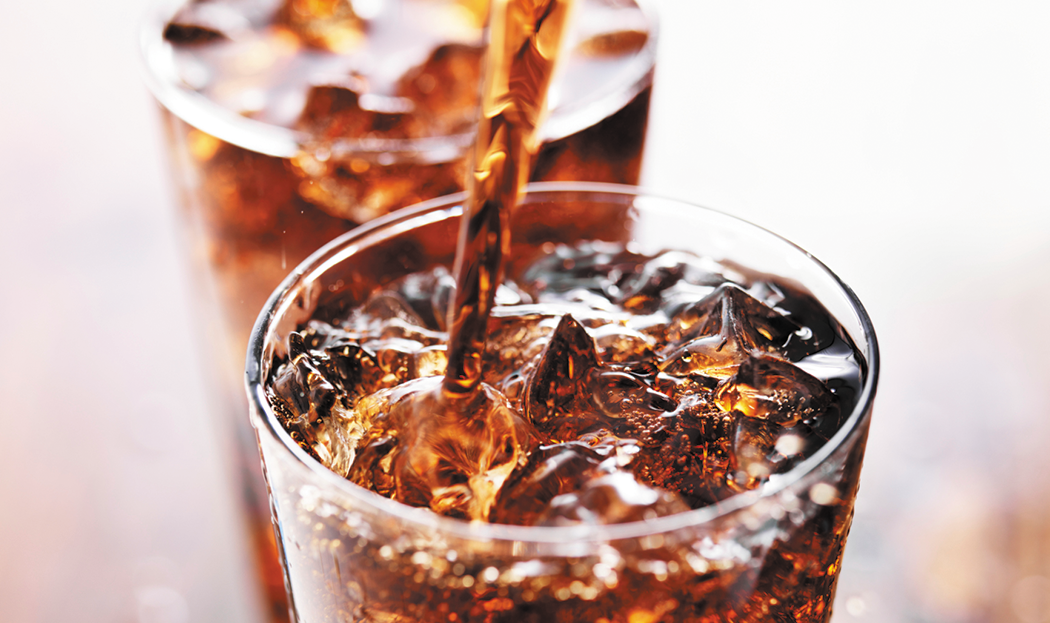
Sugary drinks seem to raise blood pressure
Image: Thinkstock
Research we're watching
Drinking as little as one sugar-sweetened beverage a day is linked to a slightly greater risk of high blood pressure, a new analysis suggests.
Researchers pooled findings from six studies that included a total of more than 240,000 people. They found a 12% higher risk of high blood pressure among people who drank one or more sugary drinks daily compared with those who drank none. Serving sizes of the beverages varied from 7 to 12 ounces among the different studies.



3 health strategies to help you get through the holidays
Image: Thinkstock
Plan now to help prevent overeating, trips to the hospital, and depression.
The winter holidays are supposed to be a joyous time, filled with celebration. But they come with health risks, such as loneliness and depression, overeating, weight gain, falls in icy weather, foodborne illness, and heart problems. Here are ways to protect yourself while enjoying the season.

Not all vegetables aid weight control, Harvard researchers find
Image: Thinkstock
News briefs
Adding more fruits and vegetables to your diet is a good idea for many reasons, and weight control is one of them. But some vegetables are associated with weight gain, according to a Harvard study published Sept. 22, 2015, in PLOS Medicine. Researchers analyzed weight and diet changes in about 118,000 people over 24 years, at roughly four-year intervals. On average, people who increased their intake of fruits (especially berries, apples, and pears) and most vegetables, especially high-fiber, low-glycemic-load vegetables such as broccoli and Brussels sprouts, lost a little weight. In contrast, people who ate more starchy vegetables—peas and corn, for example—tended to pack on more pounds over time. This didn't prove that certain vegetables caused weight gain. "But we suspect the association may have something to do with the fact that starchy vegetables have a high glycemic load, meaning they spike blood sugar more than other foods," says Dr. Monica Bertoia, a Harvard Medical School instructor and lead author of the study.
Cholesterol: What's diet got to do with it?
Image: iStock
Cholesterol in the foods you eat generally has little effect on levels in your bloodstream. But your overall diet does.
Cholesterol has a bad reputation, thanks to its well-known role in promoting heart disease. Excess cholesterol in the bloodstream is a key contributor to artery-clogging plaque, which can accumulate and set the stage for a heart attack. But if you're like many people, you might not understand cholesterol's other key functions—or the connection between the cholesterol you eat and that in your bloodstream.

Which fruits and vegetables are best for weight loss?
Image: Thinkstock
Research we're watching
Eating more fruits and vegetables can help you control your weight, but the type of produce you choose may make a difference, a new study finds.
Researchers tracked nearly 118,000 people in their 30s and 40s, collecting information about their eating habits every four years for 24 years. They found that over a four-year period, people who ate an extra daily serving of fruit shed about a half pound of weight, while those who ate an extra daily serving of vegetables lost a quarter-pound, on average.
Calcium supplements for bone health: Do you really need them?
Image: Thinkstock
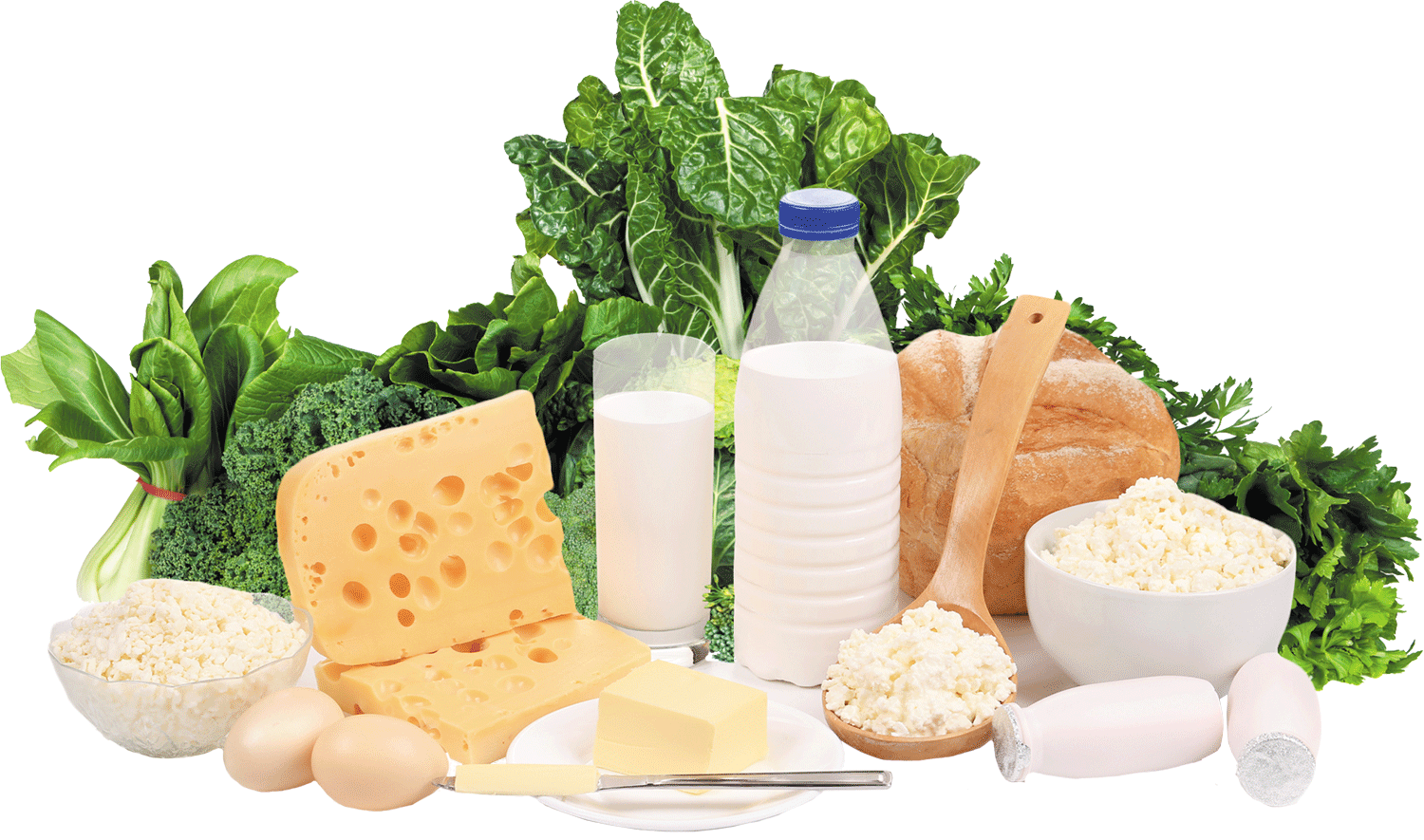
Calcium is required for good health, and you can obtain most of what you need from common foods.
Calcium builds strong bones—right? In general that's true, because calcium forms the bricks and mortar of bones. That's why you need to take in sufficient calcium from your diet to replace worn-out bone as you age. Being deficient in calcium can weaken bones, leaving them more prone to breaking. Vitamin D is the helpmate to calcium, allowing the body to absorb more of the mineral during digestion.
Fatty liver disease: Should you be tested?
Weight-loss drug may lower risk of heart attacks and infections
Testosterone therapy without evidence of deficiency may boost heart risk
Even a little exercise linked with lower stroke risk in people with afib
Antihistamines may not offer meaningful relief from eczema symptoms
What to eat on the DASH diet
Tricep workouts you can do at home
FDA approves first mRNA-based flu vaccine
Migraine: How it's diagnosed and what that means
Mindfulness practices to reduce stress and improve focus
Free Healthbeat Signup
Get the latest in health news delivered to your inbox!
Sign Up
