

Fatty liver disease: Should you be tested?

Weight-loss drug may lower risk of heart attacks and infections

Testosterone therapy without evidence of deficiency may boost heart risk

Even a little exercise linked with lower stroke risk in people with afib

Antihistamines may not offer meaningful relief from eczema symptoms

What to eat on the DASH diet

Tricep workouts you can do at home

FDA approves first mRNA-based flu vaccine

Migraine: How it's diagnosed and what that means

Mindfulness practices to reduce stress and improve focus
Ulcers Archive
Articles



Harvard Health Ad Watch: Why are toilets everywhere in this drug ad?
An ad for a medication featuring a person sitting on a toilet in multiple settings is eye-catching, but as with most drug ads, it doesn't provide some important information — such as common symptoms of the condition the drug is meant to treat.

Can apple cider vinegar curb appetite?
Drinking apple cider vinegar before bedtime isn't proven to curb appetite or promote weight loss. Doing so can also lead to heartburn or reflux and erode tooth enamel. To consume it more safely, people can blend apple cider vinegar with water or into salad dressings.

Should I worry about the side effects of proton-pump inhibitors?
People with esophagitis (esophageal inflammation) can use proton-pump inhibitors to manage their acid reflux. This kind of medication can protect against scarring and narrowing of the lower esophagus.

Chronic stomach pain in children: What's the most common cause?
Mind and body are tightly connected. If a child experiences stomach pain lasting two months or more, it may be functional abdominal pain caused by stress, depression, or anxiety. While common, this is challenging to diagnose and treat.

9 GERD symptoms to know
Most people think of heartburn when they think of GERD. But there are several other symptoms. Learn 9 symptoms of this chronic condition and how to prevent them.

Don't get upset about indigestion
It's common for indigestion to become more frequent and severe with age, a condition called chronic dyspepsia or recurring indigestion. While most flare-ups can be treated with over-the-counter remedies, people can stop recurring problems by adopting lifestyle measures, such as reducing stress, avoiding excess alcohol, quitting smoking, losing extra weight, and eating smaller meals.
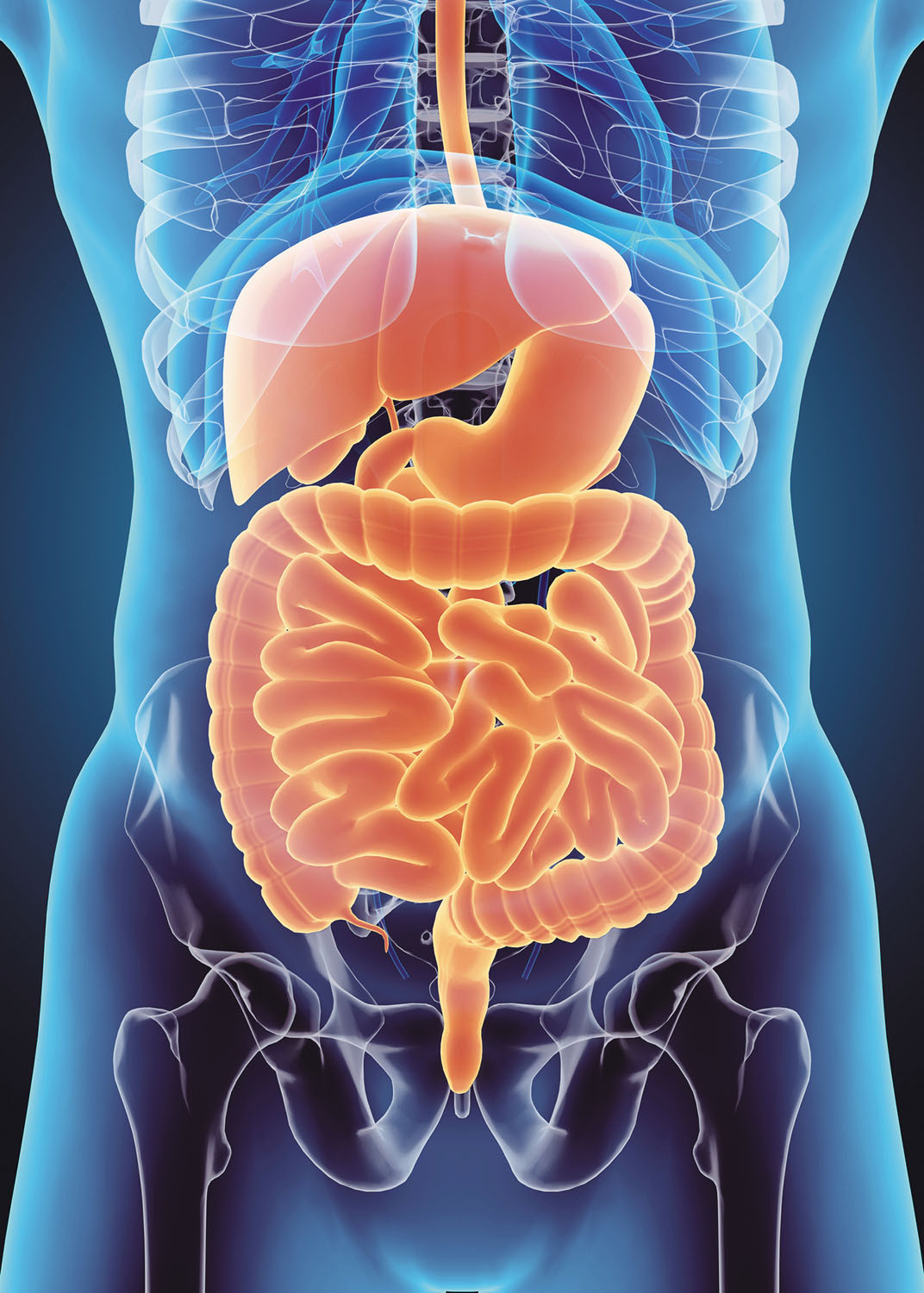
Keep your digestion moving
Over time, everyone's digestive system works less efficiently and people can develop food intolerance or begin taking medications that can affect digestion. These changes can create problems like gas, bloating, cramps, and constipation. By identifying the reasons for the digestive issues, managing them becomes easier and can help keep the entire system running smoothly.

Tips to avoid constipation
There are many ways one can try to avoid constipation. For example, lifestyle remedies may help—such as increasing dietary fiber, getting regular exercise, and drinking three to six cups of water per day. If those approaches don't work, doctors recommend using fiber supplements, such as psyllium husk (Metamucil), methylcellulose (Citrucel), or wheat dextrin (Benefiber). Another supplement that might help is magnesium. When all strategies fail, it may be time to try over-the-counter medication. One option is an osmotic laxative such as polyethylene glycol (Miralax).
Fatty liver disease: Should you be tested?
Weight-loss drug may lower risk of heart attacks and infections
Testosterone therapy without evidence of deficiency may boost heart risk
Even a little exercise linked with lower stroke risk in people with afib
Antihistamines may not offer meaningful relief from eczema symptoms
What to eat on the DASH diet
Tricep workouts you can do at home
FDA approves first mRNA-based flu vaccine
Migraine: How it's diagnosed and what that means
Mindfulness practices to reduce stress and improve focus
Free Healthbeat Signup
Get the latest in health news delivered to your inbox!
Sign Up
