

Even a little exercise linked with lower stroke risk in people with afib

Testosterone therapy without evidence of deficiency may boost heart risk

Weight-loss drug may lower risk of heart attacks and infections

What to eat on the DASH diet

Migraine: How it's diagnosed and what that means

Tricep workouts you can do at home

Mindfulness practices to reduce stress and improve focus

Antihistamines may not offer meaningful relief from eczema symptoms

Overweight and taking blood pressure medications: Study finds it's a trend that's working

FDA approves first mRNA-based flu vaccine
Sleep Archive
Articles


Colon cancer screening decisions: What's the best option and when?
Colorectal cancer is the second leading cause of cancer deaths in the United States, and rates are rising, particularly in younger people. It can be prevented with screening tests; there are several different types of tests that are performed in different ways, and guidelines for when testing should begin and how often people should be tested.

Year three of the pandemic is underway: Now what?
Despite how it may sometimes seem, the COVID-19 pandemic is very much still with us. This is a good time to pause and assess where we are now and what you need to know about vaccines, boosters, and other measures to help you stay well.

Weight stigma: As harmful as obesity itself?
Weight stigma is discrimination based on a person's weight, and it can lead to poor health and increased weight gain. One way to combat weight stigma is to use person-first language, and it's also important for health care providers to make sure they are not perpetuating this stigma when dealing with patients.

How much exercise does it take to avoid heart problems in your 70s?
In a study published online Feb. 14, 2022, by the journal Heart, people ages 65 or older who exercised at least 20 minutes per day—especially men ages 70 to 75—had fewer heart attacks and a lower risk of premature death, compared with people who didn't exercise.
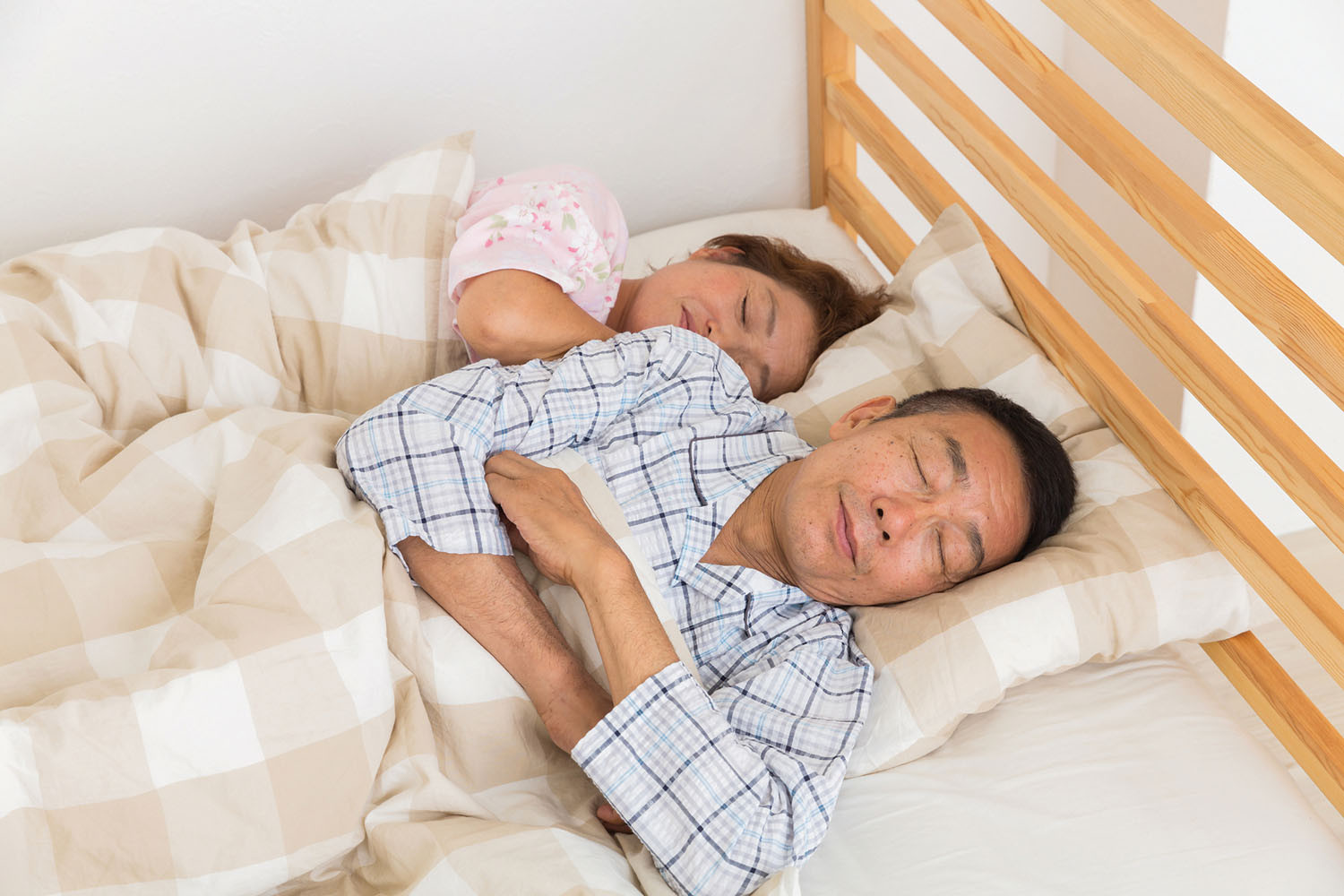
What's the best sleep position to combat heartburn?
Among people with chronic heartburn, sleeping on the left side appears to help backed-up stomach acid leave the esophagus faster than sleeping on the right side or back, according to a study in the February 2022 issue of The American Journal of Gastroenterology.

What are the different types of body fat?
Two important types of fat in the body are white fat and brown fat. White fat is located in the chest, abdomen, and upper legs; too much of it constitutes obesity. Its function is to provide insulation against the cold, store fats derived from food, and continually release small amounts of the fats to be converted into energy. Brown fat is found in small amounts in the neck, shoulders, chest, and abdomen. Its main function is to burn the fat it stores, creating heat that keeps the body warm.

The best ways to identify processed foods
Processed foods are those that have been changed from their original form. A minimal level of processing may mean the food has simply been chopped and frozen or that inedible parts have been removed. At the next level, processed foods have a few added ingredients. Foods with even more processing are called "ultra-processed" foods. Ultra-processing usually means that the original foods are not recognizable, and include additives such as preservatives, oil, sugar, salt, coloring, and flavoring. If there are more than a few ingredients listed on a food label, that food is probably ultra-processed, which is bad for health.

Why do I burn even if I'm slathered in sunscreen?
People can get sunburned even with sunscreen on, particularly if they use old sunscreen or certain drugs and skin care products that leave skin vulnerable. People should stay out of the sun at midday, wear a hat and sunglasses, and frequently apply sunscreen with SPF 30 or higher.

Acetaminophen might worsen high blood pressure
Acetaminophen (Tylenol) is often recommended for pain relief in people with high blood pressure because most other options can raise blood pressure. A 2022 study suggests acetaminophen might sometimes have a similar effect.
Even a little exercise linked with lower stroke risk in people with afib
Testosterone therapy without evidence of deficiency may boost heart risk
Weight-loss drug may lower risk of heart attacks and infections
What to eat on the DASH diet
Migraine: How it's diagnosed and what that means
Tricep workouts you can do at home
Mindfulness practices to reduce stress and improve focus
Antihistamines may not offer meaningful relief from eczema symptoms
Overweight and taking blood pressure medications: Study finds it's a trend that's working
FDA approves first mRNA-based flu vaccine
Free Healthbeat Signup
Get the latest in health news delivered to your inbox!
Sign Up
